What the Numbers Really Show: San Francisco Investor Yields in a Tightening Market
Landlords chasing returns in today's Bay Area must recalibrate expectations as rental growth stalls and competition for properties intensifies.
Landlords chasing returns in today's Bay Area must recalibrate expectations as rental growth stalls and competition for properties intensifies.

The San Francisco investment property market is sending mixed signals. While the median home price hovers around $1.3 million citywide, the yields landlords can expect have compressed considerably compared to five years ago—a sobering reality for those banking on consistent double-digit returns.
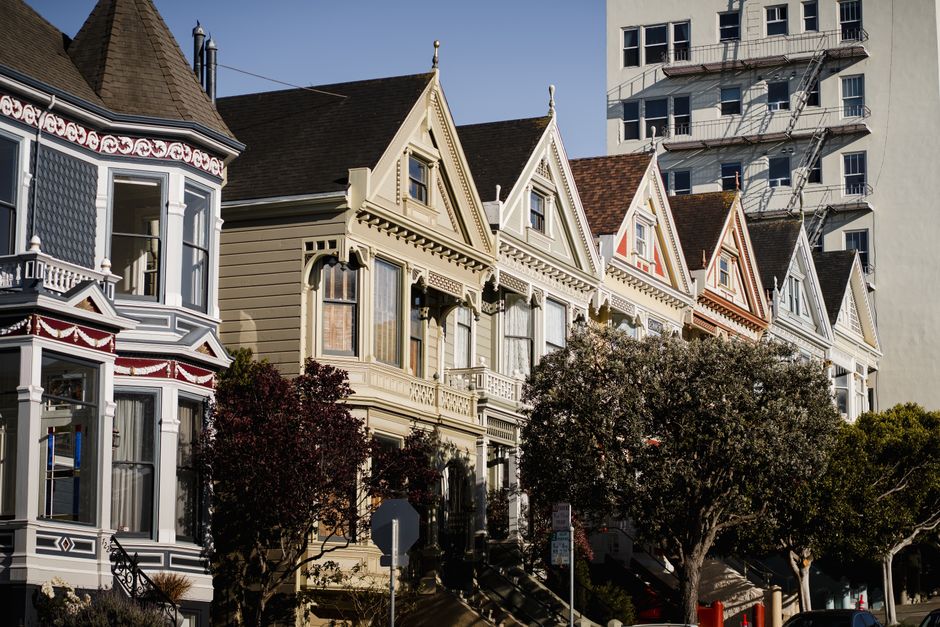
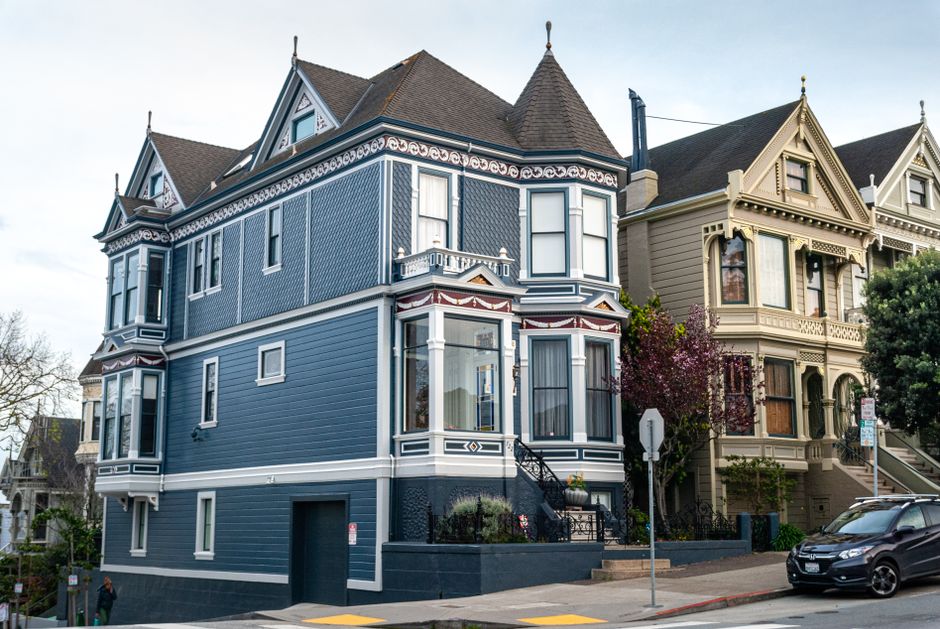
Current gross rental yields across San Francisco range between 3 and 4.5 percent, depending on neighborhood. In Pacific Heights and Marina, where trophy properties command premium prices, yields often slip below 3 percent. The Mission District and Dogpatch, traditionally stronger performers for value investors, are averaging closer to 4 percent as purchase prices climb faster than rents can keep pace.
The math reveals the tension. A $1.3 million property generating $5,200 monthly rent yields just 4.8 percent gross—before accounting for property taxes (among California's highest), maintenance, vacancy periods, and insurance. After expenses, net yields frequently drop to 2 to 3 percent for San Francisco residential investment.
Tech sector demand returning to the Bay Area has lifted some neighborhoods. Dogpatch and Mission Bay have seen renewed interest from both owner-occupants and investors, yet rent growth remains modest—typically 2 to 3 percent annually. Compare that to the 7 to 8 percent property appreciation cycles of the pandemic era, and the appeal shifts dramatically from income-focused to appreciation-focused strategies.
Savvy investors are reconsidering their playbooks. Those seeking genuine yield now often look beyond single-family homes or modest multi-units in premium neighborhoods. Smaller studio and one-bedroom units near transit corridors—particularly along the BART lines and near major employment clusters—can deliver superior net returns, though they require active management and carry higher tenant turnover.
Property tax considerations matter enormously. Under Proposition 13, owners benefit from locked-in assessments, but new purchases reset valuations. A $1.3 million purchase triggers roughly $13,000 in annual property taxes alone, a figure many interstate investors underestimate.
The broader lesson: San Francisco's investment calculus has fundamentally shifted. The days of purchasing any property and watching both rents and values surge have passed. Today's successful landlords treat San Francisco investments as long-horizon plays, betting on appreciation rather than cash flow, or they specialize in micro-markets and unit types where yields remain defensible. For those demanding meaningful current returns, the city's increasingly expensive entry point makes other Bay Area markets—or other regions entirely—mathematically more attractive.
This article was compiled by AI from the sources linked above and screened before publishing. See our editorial standards.
How does this story make you feel?
Spread the word
About this article
Published by The Daily San Francisco
Daily brief
Free, in your inbox before 7am. Weekdays.
More in Property