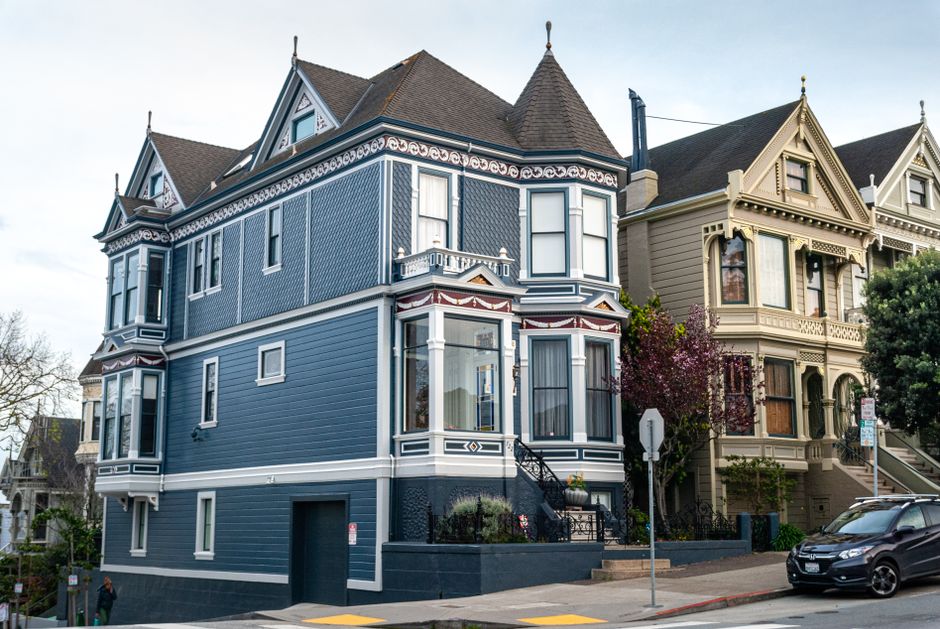
San Francisco's property market has long intimidated first-time buyers, but a growing network of affordable housing programs and policy changes are opening doors previously locked behind six-figure down payments. Understanding these pathways isn't just smart—it's increasingly necessary for those priced out of traditional market segments.
The San Francisco Housing Accelerator Fund, expanded significantly in 2025, now offers down payment assistance up to $200,000 for qualifying first-time buyers earning between 80 and 120 percent of area median income. For a family of four, this translates to annual incomes roughly between $130,000 and $195,000. While restrictive, this covers many professionals in tech, healthcare, and education sectors looking to establish roots in neighborhoods like the Mission, Dogpatch, and increasingly, the Inner Sunset.
The Community Land Trust model has gained traction across the city. Properties held by organizations like SF Community Land Trust remove land costs from the equation, reducing purchase prices by an average of 35 percent. A two-bedroom on Folsom Street that might list for $1.1 million on the open market could be available through CLT programs for closer to $700,000—substantial savings that reshape affordability calculations.
First-time buyers should also investigate the city's Inclusionary Housing requirements. New residential developments across San Francisco—from the Transbay District to new projects along the 16th Street corridor—are obligated to include affordability components. Developer-assisted purchase programs sometimes offer additional incentives for occupants willing to commit to long-term residency.
The California Housing Finance Agency's CalHFA mortgage program deserves attention. Offering fixed rates competitive with traditional lenders and accepting down payments as low as 3 percent, CalHFA programs are designed specifically for first-time buyers with moderate incomes. Many local credit unions and banks partnering with the program have satellite offices in neighborhoods including the Bayview and Excelsior.
Prospective buyers should start by meeting with a HUD-approved housing counselor—a free service available through organizations housed at community centers across the city. These professionals navigate the bewildering array of programs and can identify which pathways match individual circumstances.
The window to purchase remains competitive, but it's no longer exclusively for those with inherited wealth or tech executive salaries. By combining down payment assistance, community land trust opportunities, and California financing programs, first-time buyers with solid income and credit can still build equity in San Francisco—just with a more strategic roadmap.
This article was compiled by AI from the sources linked above and screened before publishing. See our editorial standards.