First-Time Investor's Guide: Chasing Yields in San Francisco's $1.3M Market
With tech money flowing back into the Bay Area, new landlords must navigate rising entry prices, tight margins, and hyperlocal rent dynamics to build real wealth.
With tech money flowing back into the Bay Area, new landlords must navigate rising entry prices, tight margins, and hyperlocal rent dynamics to build real wealth.
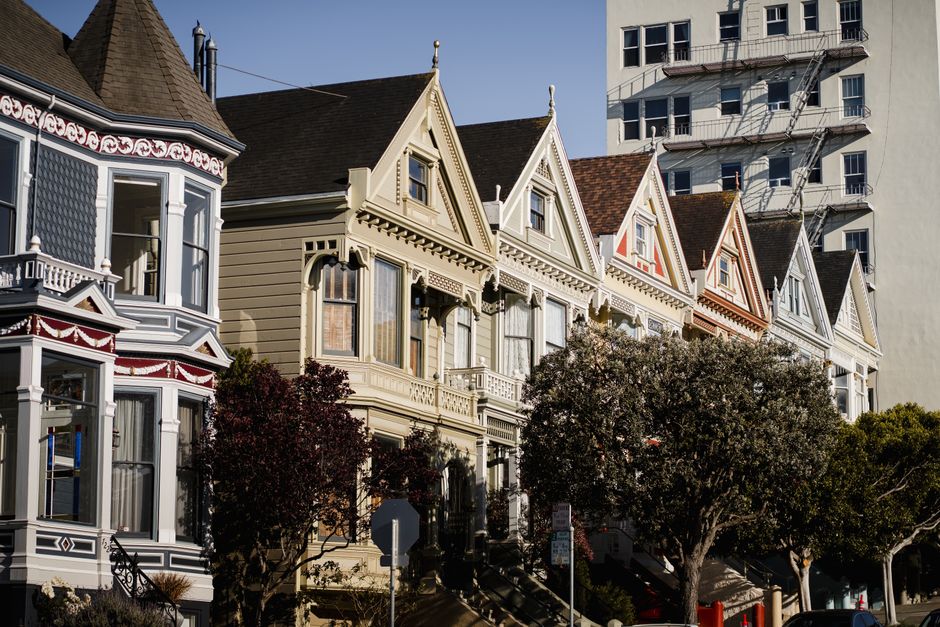
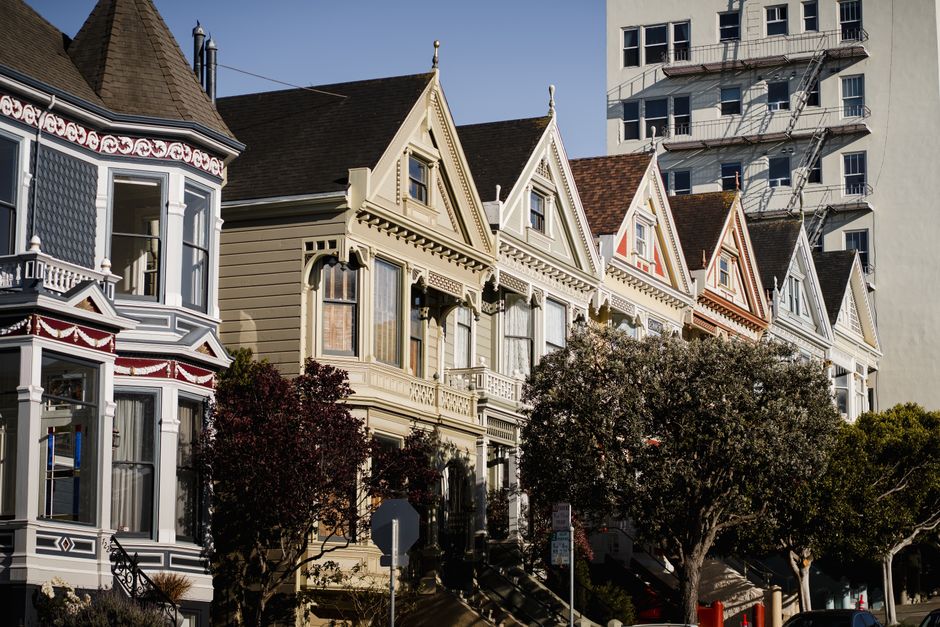
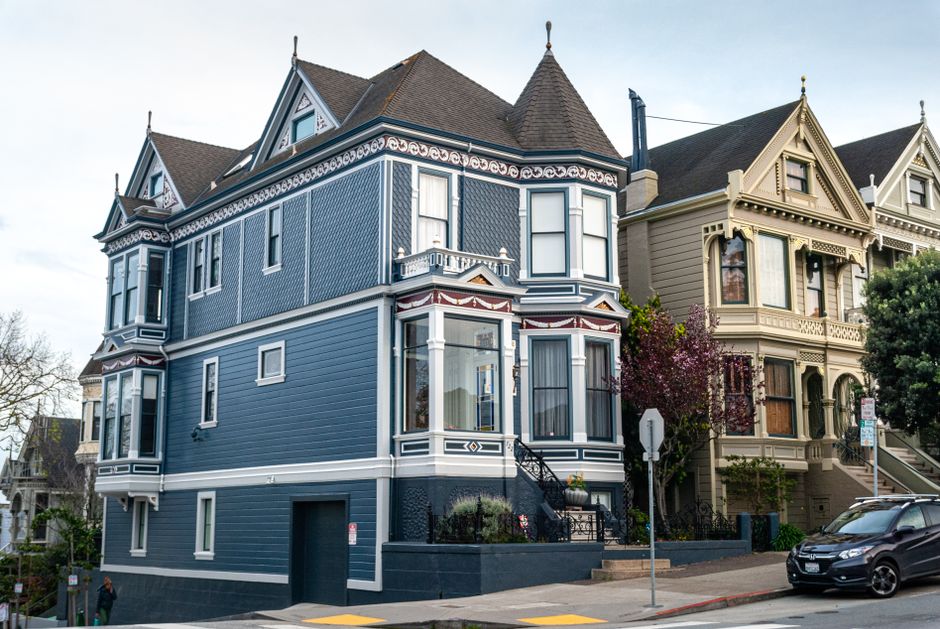
San Francisco's property market has shifted beneath investors' feet. The median price now hovers around $1.3 million, yet rental yields remain stubbornly compressed—typically 3 to 4 percent gross in established neighbourhoods. For first-time buyers considering the leap from owner-occupier to landlord, the math demands discipline and neighbourhood selection.
The entry-level investment play no longer exists in Pacific Heights or the Marina. Those premium postcodes command $2+ million for modest two-bedrooms, with yields barely exceeding 2.5 percent. Instead, savvy first-timers are eyeing the Mission and Dogpatch, where younger renters fuel demand and price appreciation remains plausible. A $1.1 million two-bedroom on Valencia Street or near the Third Street corridor can yield 4 to 4.5 percent, assuming 10 percent down through an investment loan.
The critical mistake new landlords make is underestimating San Francisco's invisible costs. Vacancy rates have tightened recently as tech sector demand rebounds, yet vacancy insurance, property management fees (typically 8-10 percent of rent), and the city's tenant-friendly rent control framework all erode bottom-line returns. Unlike secondary markets, you cannot simply raise rents; Proposition 10 restrictions cap increases at inflation plus 5 percent, capped at 7 percent annually. A $3,500 monthly rent in 2026 may legally grow only $245 in 2027.
Insurance and maintenance present further headwinds. Expect $1,200 annually for landlord coverage on a $1.1 million property. Deferred maintenance—foundation work, roof replacement, seismic retrofitting—can evaporate years of profit. The city's Office of the Assessor-Recorder offers free seismic safety assessments; first-time investors should commission one before purchase.
Tax advantages, however, remain substantial. Mortgage interest and depreciation allowances shelter income; many landlords operate at reported losses despite positive cash flow. Consult a San Francisco-based tax advisor familiar with Section 1031 exchanges and cost segregation before committing capital.
Financing favours institutional knowledge. Traditional banks offer investment property loans at 6.5 to 7.5 percent with 20-25 percent down. Credit unions and portfolio lenders sometimes move faster and more flexibly than conventional mortgage shops.
The path to yield in San Francisco is real, but it demands patience. Entry near the Mission's gentrification wave or Dogpatch's infill development offers the best risk-adjusted returns. Expect 4.5 percent gross yield, reinvest appreciation, and plan for a ten-year hold. Those chasing quick cash flow should look beyond the Bay.
This article was compiled by AI from the sources linked above and screened before publishing. See our editorial standards.
How does this story make you feel?
Spread the word
About this article
Published by The Daily San Francisco
Daily brief
Free, in your inbox before 7am. Weekdays.
More in Property