San Francisco's property market is experiencing a subtle but significant shift. After years of regulatory gridlock, the Planning Department has accelerated approvals for residential developments, creating fresh opportunities for first-time buyers who know where to look and when to act.
The numbers tell the story. Over the past 18 months, the city has issued permits for approximately 2,800 new residential units—the highest annual rate since 2019. For buyers entering the market, this means less competition for newly completed stock and more transparency around future supply, which typically steadies price volatility.
Start by understanding the neighbourhoods in flux. The Mission and Dogpatch remain the hotspots. Several mid-rise projects along Valencia Street and near the Dogpatch waterfront are moving from approval to construction phase, with first occupancies expected between late 2027 and mid-2028. These precincts offer younger demographics, walkability, and typically 15–20 per cent price discounts compared to Pacific Heights or Marina properties at the $1.3M median.
Timing is crucial. Projects announced now won't deliver for 24–36 months, but off-the-plan purchases often include builder incentives—upgraded finishes, flexible settlement terms, or price locks that protect you from market swings. The Planning Department's online portal (sfplanning.org) shows current applications; tracking projects in your target suburb helps identify future supply before competition intensifies.
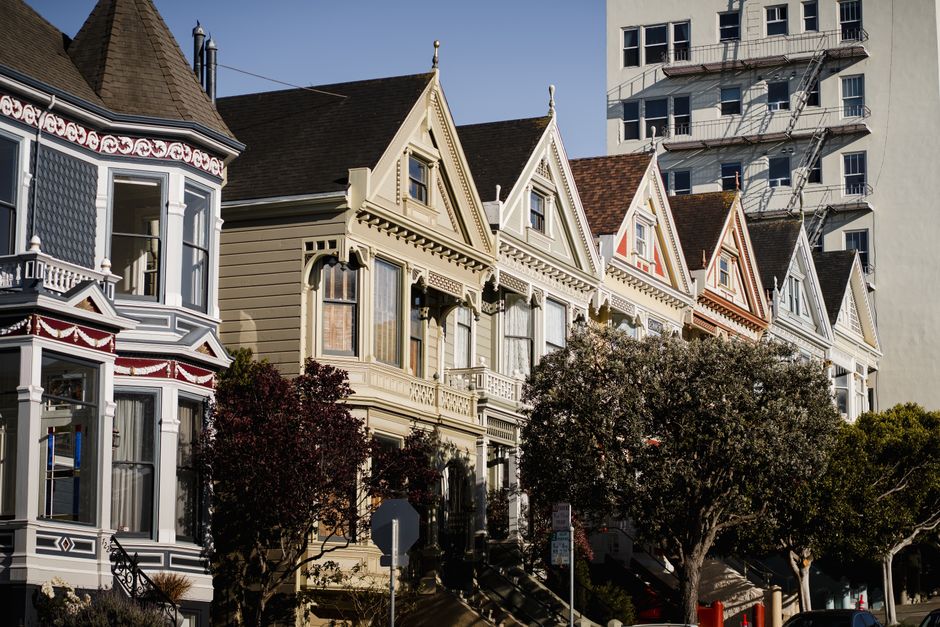
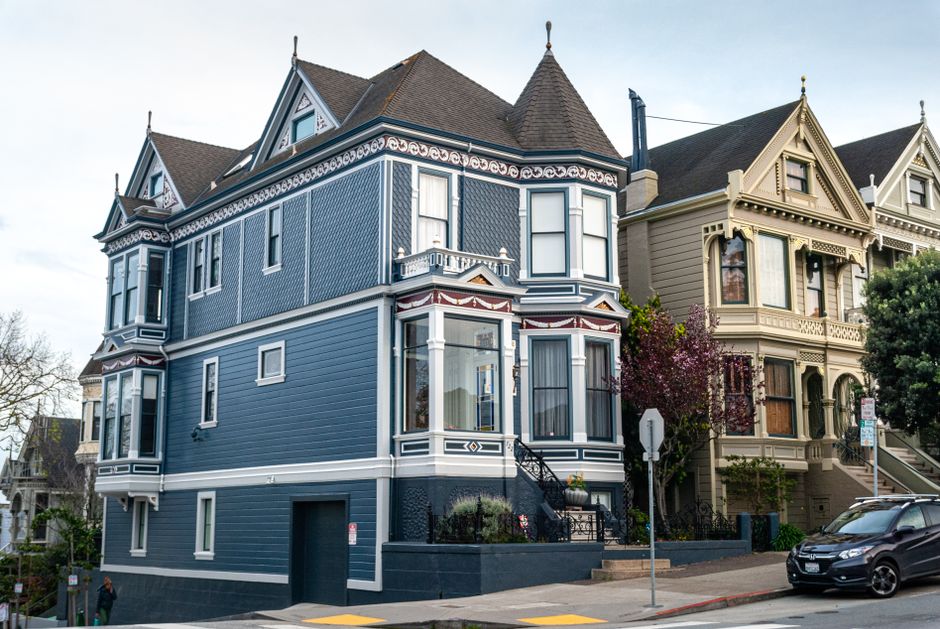
For first-timers, new developments offer genuine advantages. Modern buildings include energy-efficient systems (lowering running costs), contemporary layouts suit smaller households, and developer warranties provide post-purchase peace of mind—luxuries rarely found in Victorian renovations across Haight-Ashbury or the Inner Sunset.
The catch: stamp duty, GST on new construction, and holding costs during the build period require careful financial planning. A $1.3M purchase becomes $1.5M+ when taxes and costs are factored in. Work with a mortgage broker familiar with new-build timelines; lenders sometimes offer construction-stage drawdown facilities that reduce interest drag.
Finally, attend information sessions hosted by developers and the Planning Department. Public consultation is routine now, and early engagement reveals neighbourhood sentiment and infrastructure timelines—crucial for assessing long-term value.
San Francisco's construction pipeline isn't flashy, but for patient, informed buyers, it's a genuine opening in an otherwise tight market.
This article was compiled by AI from the sources linked above and screened before publishing. See our editorial standards.