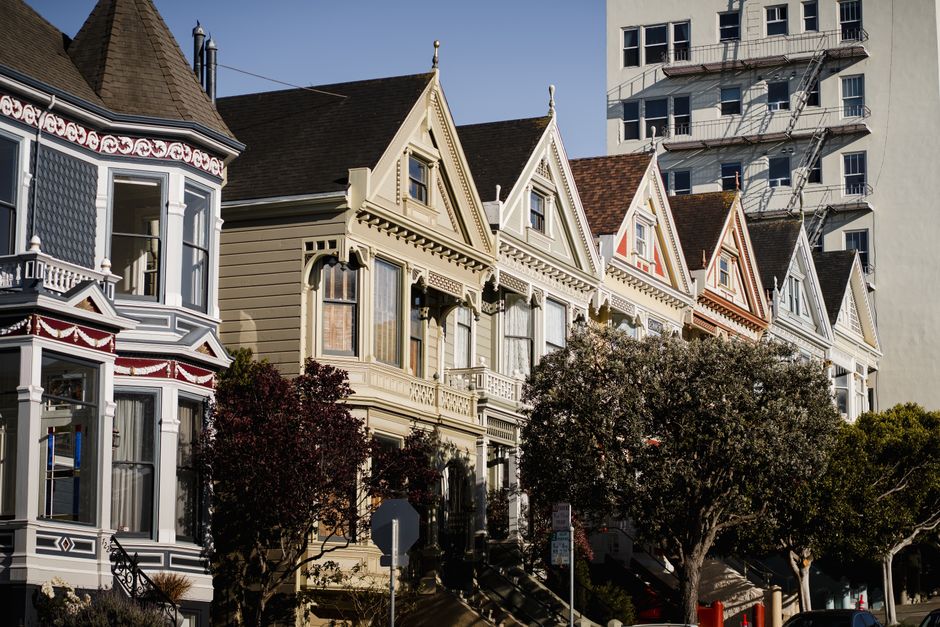
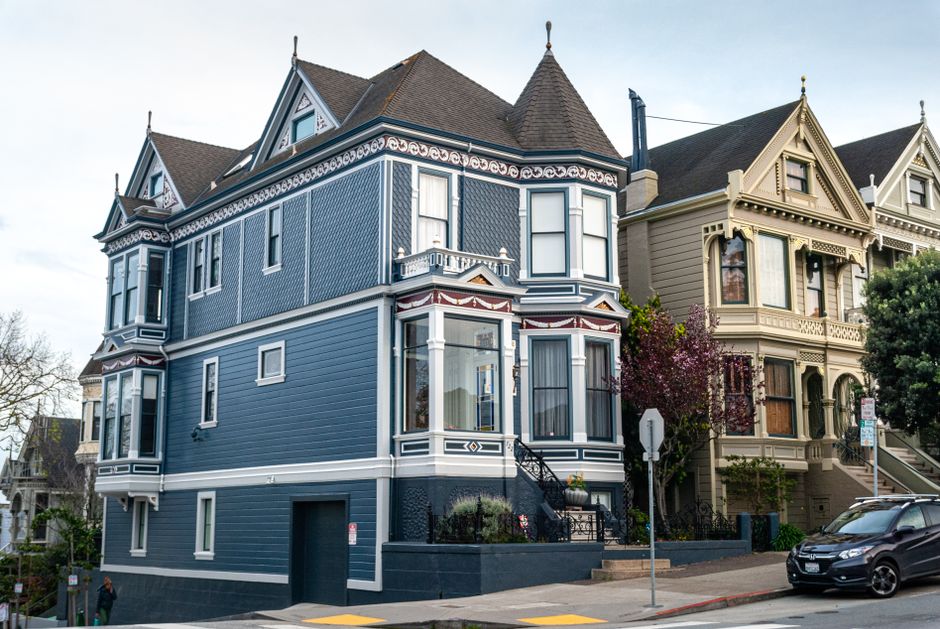
San Francisco's property market sits at an inflection point. With the median home price hovering near $1.3 million and tech sector demand rebounding after months of uncertainty, a wave of new residential projects now entering construction phase could fundamentally alter the city's housing landscape—though experts remain divided on whether they'll meaningfully improve affordability.
The Mission District, long a bellwether for San Francisco development trends, is experiencing the most visible transformation. Several mid-rise projects along Valencia Street between 16th and 24th are now breaking ground, adding roughly 800 units of mixed-income housing over the next 36 months. These developments represent a shift in strategy: earlier iterations were luxury-focused, but recent projects increasingly include 15-20 percent affordable units mandated by the city's inclusionary housing requirements.
"Supply matters, but it's complicated," says a local housing advocacy director. The challenge is timing and price point. Most new construction targets the $2.2-2.8 million range for two-bedroom units—well above the median, yet below Pacific Heights and Marina asking prices that frequently exceed $3.5 million. This creates an affordability gap for middle-income households earning between $150,000-$250,000 annually.
The Dogpatch waterfront corridor tells a similar story. Several office-to-residential conversion projects are underway near 22nd Street, converting obsolete tech office space into roughly 1,200 apartments. These adaptive-reuse projects typically cost less to develop than ground-up construction, potentially offering slightly lower unit prices—though early listings suggest marginal savings of just 5-8 percent.
What's notable is velocity. Building permits issued for residential units in the past 18 months have doubled compared to 2024-25. If these projects maintain their construction schedules, San Francisco could see 3,000+ new units delivered annually through 2028—meaningfully above the historical average of 2,000.
The ripple effects extend beyond direct residents. Economists point to secondary demand: new residents require services, dining, retail—activity that can revitalize transitional neighborhoods like South of Market and northeastern Mission, potentially stabilizing rents in those corridors.
Yet headwinds persist. Construction costs remain elevated at roughly $850-950 per square foot for mid-rise residential. Financing challenges, lingering labor shortages, and city permitting timelines continue to compress margins. Developers report that profitability depends on units selling above $2.1 million minimum—meaning affordability gains likely remain incremental rather than transformative.
For San Francisco renters and first-time buyers, these projects offer cautious optimism. New housing supply typically moderates price acceleration, even if it doesn't reverse existing levels. The coming 24 months will reveal whether the city's development pipeline finally tips the market toward greater balance.
This article was compiled by AI from the sources linked above and screened before publishing. See our editorial standards.