The rental market in San Francisco's most exclusive neighbourhoods tells a story of diverging fortunes. With the median home price hovering around $1.3 million and ownership practically reserved for the exceptionally wealthy, the rental sector has become the only viable housing option for many professionals—yet conditions are tightening in ways that favour neither long-term stability nor affordable tenancy.
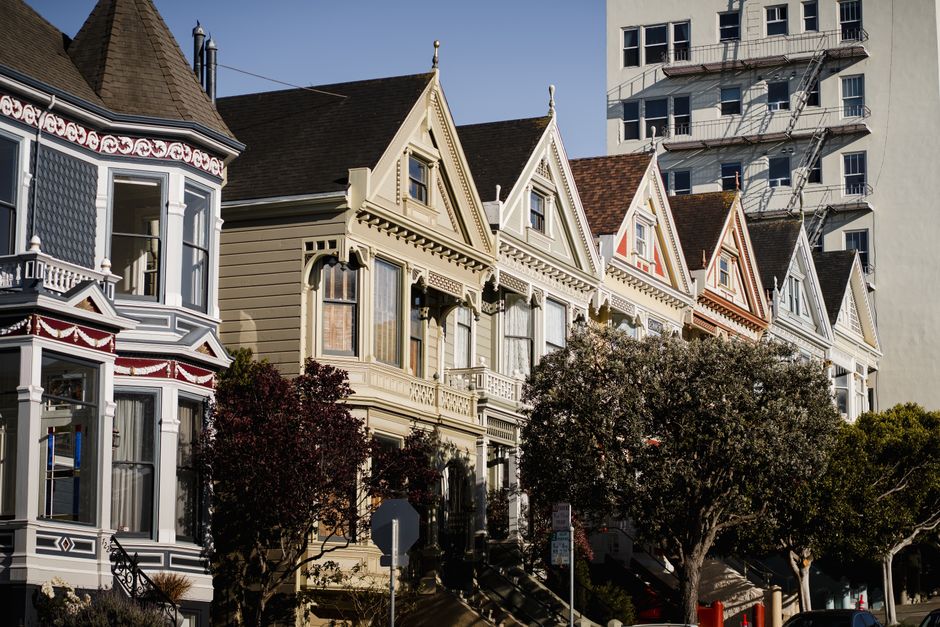
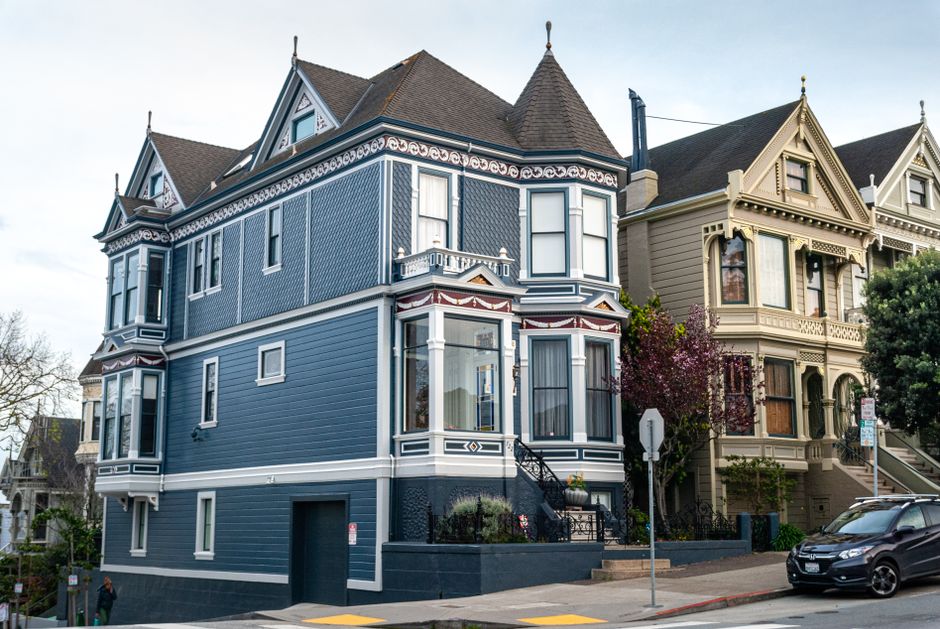
In Pacific Heights, where Victorian mansions command seven-figure price tags, landlords are discovering a paradox: despite soaring property values, rental yields remain modest. A three-bedroom apartment on Fillmore Street might lease for $8,500 to $10,000 monthly, yet the property itself could sell for $3.5 million or more. For ownership-minded investors, the maths favours selling to owner-occupants rather than maintaining rental portfolios. The result is a contraction in the available rental stock among the city's most desirable addresses.
The Marina and Cow Hollow have experienced similar pressures, though in these neighbourhoods—slightly more affordable than Pacific Heights—the rental market remains more robust. Yet even here, annual increases of 4–6 per cent are standard, placing strain on mid-level professionals working in the financial district or nearby tech hubs along South Park and SOMA.
Meanwhile, emerging hotspots like the Mission and Dogpatch present a different challenge. Rapid neighbourhood appreciation has attracted new development and landlord interest, but rapidly rising rents have begun displacing long-term residents. A two-bedroom in Dogpatch that rented for $2,800 three years ago now commands $4,200—a 50 per cent increase that pushes out service workers, artists, and established community members.
For landlords, the situation remains mixed. Those holding premium properties benefit from steady demand fuelled by tech sector recovery and international investment. Yet regulation around rent control and tenant protections in San Francisco limits their flexibility. Property management costs, maintenance requirements, and California's tenant-friendly legal environment cut into margins even as nominal rents climb.
The rental market's tightness has created winners and losers distinctly divided by income. Established tenants with long leases enjoy relative stability. New renters and those seeking housing in desirable neighbourhoods face unprecedented barriers. Some landlords have responded by converting rental properties to owner-occupied residences or short-term platforms, further reducing long-term rental availability.
As San Francisco's property market continues its rebound, the rental sector increasingly reflects the city's fundamental inequality. Without policy intervention or significant new supply, the middle ground—where both tenants and landlords could reasonably thrive—continues to narrow.
This article was compiled by AI from the sources linked above and screened before publishing. See our editorial standards.