San Francisco's property market has long pivoted on proximity to employment hubs and lifestyle amenities. But a closer look at the Mission District—long the city's creative heart—reveals a more nuanced investment picture that extends far beyond romantic notions of Valencia Street taquerias and murals.
The fundamentals are compelling. The median asking price across the Mission hovers near $1.65 million for a one-bedroom condo, a premium of roughly 25 per cent above the citywide median of $1.3 million. Yet what matters now is granularity: properties within a five-minute walk of either the 16th Street or 24th Street BART stations command substantially higher buyer interest than those further west. This reflects a broader shift. As tech sector hiring rebounds—particularly in financial services and AI-adjacent roles clustered around the Financial District and South of Market—commute efficiency has reasserted itself as a primary value driver.
Dogpatch, the Mission's industrial-turned-residential cousin, presents a different calculus. Recent sales data suggests median prices have climbed to approximately $1.8 million for similar-sized units, buoyed partly by the neighbourhood's physical separation and newer building stock. Yet the neighbourhood's distance from BART (a 15-minute walk to the nearest station) acts as a subtle brake on institutional buyer demand compared to the Mission proper.
What buyers should scrutinise now: zoning and development pipelines. The city's ongoing affordable housing mandates and recent relaxations on mid-rise construction near transit corridors mean the supply picture is genuinely dynamic. A property listed today at $1.65 million may face new competition within 18 months as permitted projects come online.
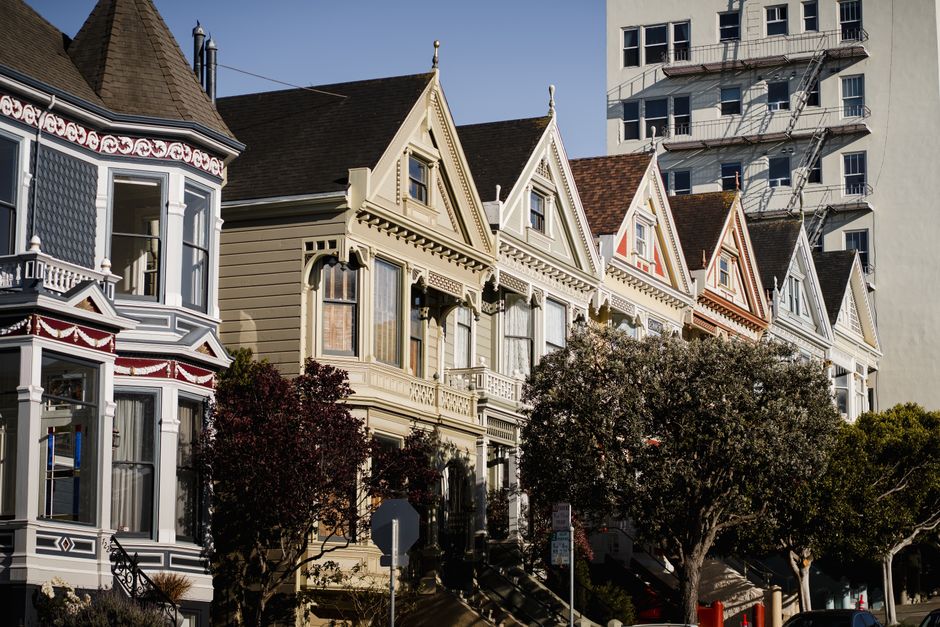
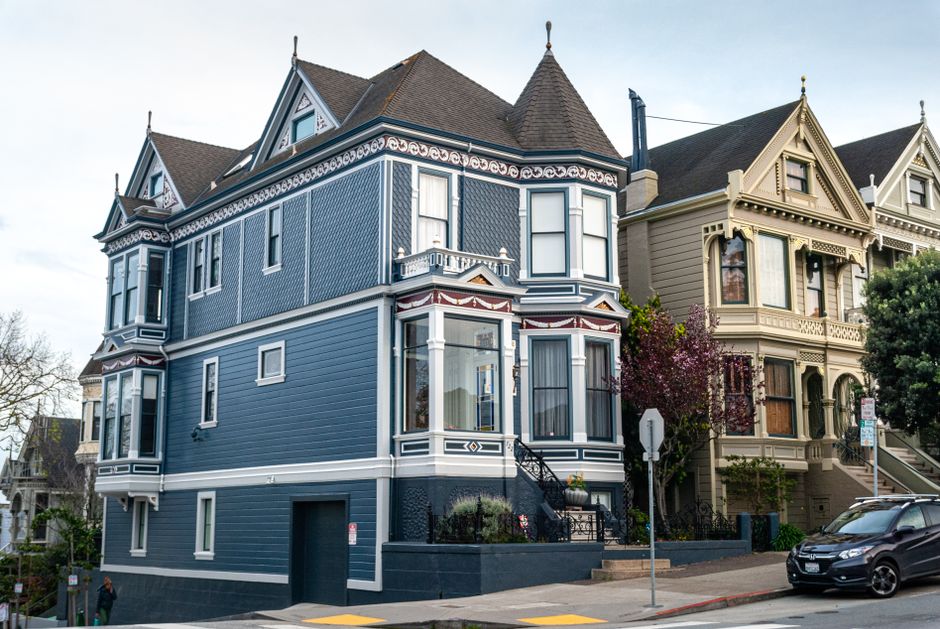
Street-level amenities matter, but with a catch. While the restored Mission Pool, the growing cluster of third-wave coffee roasters on 22nd Street, and proximity to Dolores Park remain tangible assets, market velocity suggests buyers are increasingly willing to trade some lifestyle premium for structural value and commute advantage. Properties with updated mechanical systems, seismic reinforcement, and recent renovations are moving faster than aesthetically charming but ageing Victorian conversions.
The broader lesson: neighbourhood investment in San Francisco has matured beyond postcode gambling. The Mission remains attractive, but savvy buyers are now distinguishing between micromarkets within it. BART accessibility, building age and condition, and proximity to employment centres—not just cultural cachet—are now the arbiters of real value. For those patient enough to dig deeper than headline prices, that shift creates genuine opportunity.
This article was compiled by AI from the sources linked above and screened before publishing. See our editorial standards.