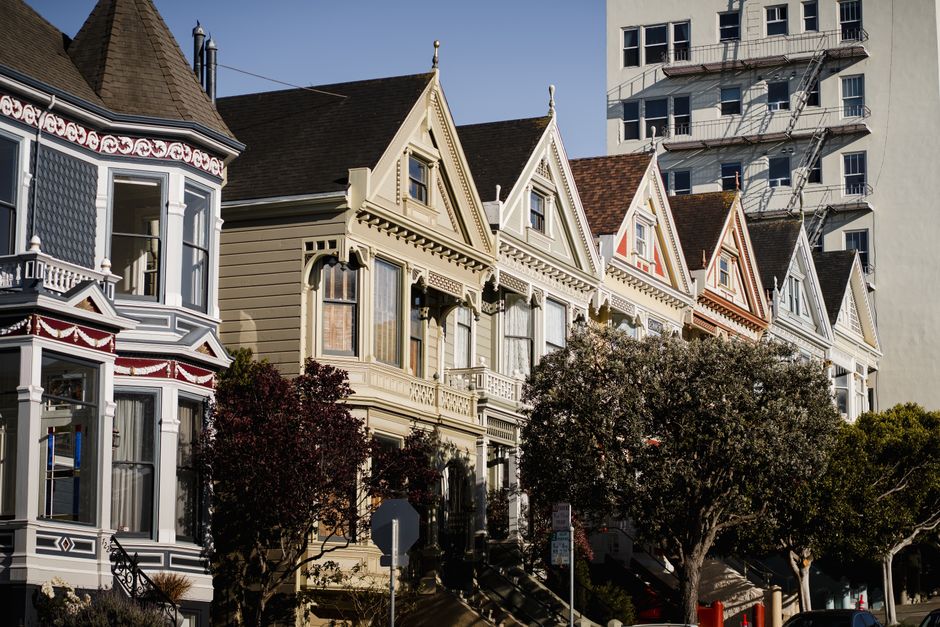
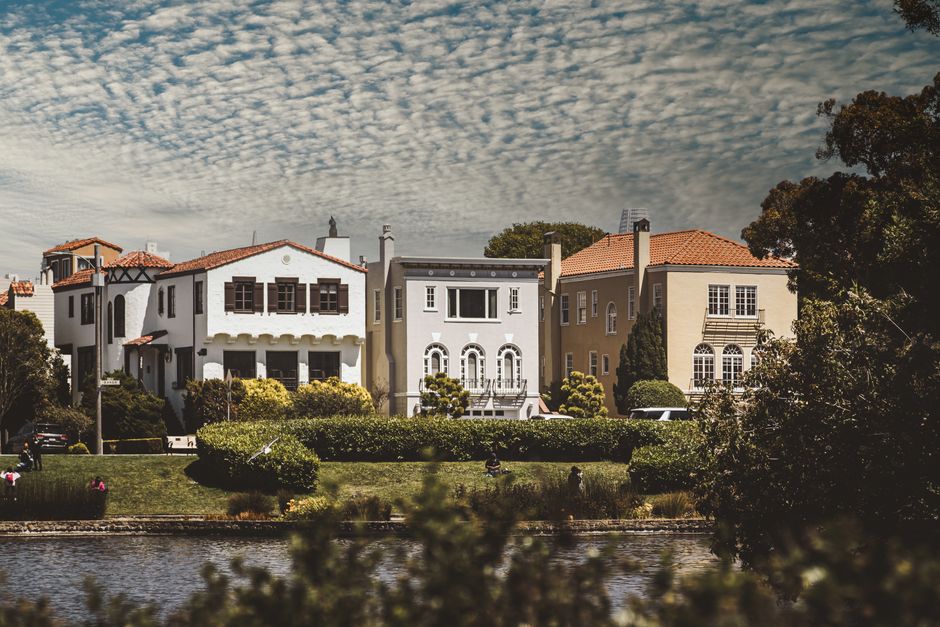
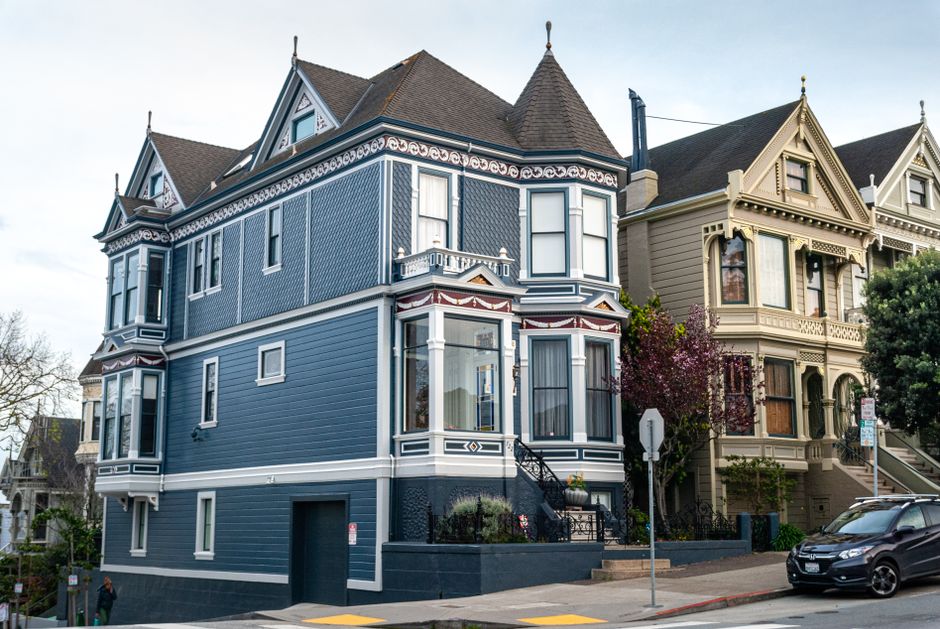
San Francisco's planning department has quietly reshaped the development landscape with a series of policy changes that are now rippling through neighbourhood markets. The revised streamlined approval process, implemented in early 2026, has cut average permitting timelines by nearly 40 per cent—a shift that's already unlocking projects valued at approximately $3 billion across the city.
The impact is most visible in the Mission District and Dogpatch, where historically lengthy environmental reviews have given way to categorical exemptions for projects under 85 units. Recent approvals on Valencia Street and along the Embarcadero waterfront suggest the new framework is working. A mixed-use development at 16th and Mission received final approval in under 14 months—roughly half the historical timeline. Market analysts attribute this acceleration to revised California Environmental Quality Act (CEQA) waivers and height allowances now permitted within transit corridors.
The policy shift carries immediate pricing implications. Projects that previously languished through three-year approval cycles can now launch construction within months, effectively bringing supply forward. For investors, this translates to reduced carrying costs and faster returns. For buyers, the signal is more nuanced. While an influx of new units should theoretically moderate growth, several developments targeting the $2.2 million to $3.5 million segment—particularly in Pacific Heights and Marina—suggest luxury supply remains supply-constrained regardless of policy tailwinds.
"The approvals are moving faster, but land costs haven't adjusted," explains market data from recent transactions. A parcel on Fillmore Street in Pacific Heights sold for $2.8 million in May despite limited development rights—indicating that planning changes alone don't override scarcity value in premium neighbourhoods.
However, Mission District projects are seeing measurable impact. Three residential buildings approved under the new rules are now under construction, with asking prices for units ranging from $1.1 million to $1.8 million—competitive relative to median asking prices around $1.3 million citywide. The acceleration suggests these projects will contribute meaningful housing stock within 24-30 months.
The real test of these policy changes lies in whether expedited approvals translate to genuine affordability gains or simply allow developers to move inventory faster without addressing underlying land-cost pressures. Early data suggests the answer is mixed: streamlined projects are reaching market quicker, but pricing remains tethered to San Francisco's fundamental supply-demand imbalance. What's clear is that planning policy has become a primary lever in the city's development cycle—and developers are pulling it hard.
This article was compiled by AI from the sources linked above and screened before publishing. See our editorial standards.