What San Francisco's auction results and price data are really signalling about the market ahead
Mixed signals from recent sales across neighborhoods suggest affordability pressure is shifting—and not necessarily easing.
Mixed signals from recent sales across neighborhoods suggest affordability pressure is shifting—and not necessarily easing.
San Francisco's property market is sending contradictory messages. While median prices hold steady around $1.3 million, the stories told by individual auctions and price trajectories paint a more nuanced picture of where affordability is heading—and where buyers should be watching.
Recent results from South of Market and the Mission suggest the market is stratifying. While a converted loft on Valencia Street recently changed hands above asking—a rarity in 2024—comparable inventory in Dogpatch has stalled, with several listings languishing beyond 90 days on market. The difference? Price point. Properties under $900,000 are moving; those testing the $1.2 million threshold face friction.
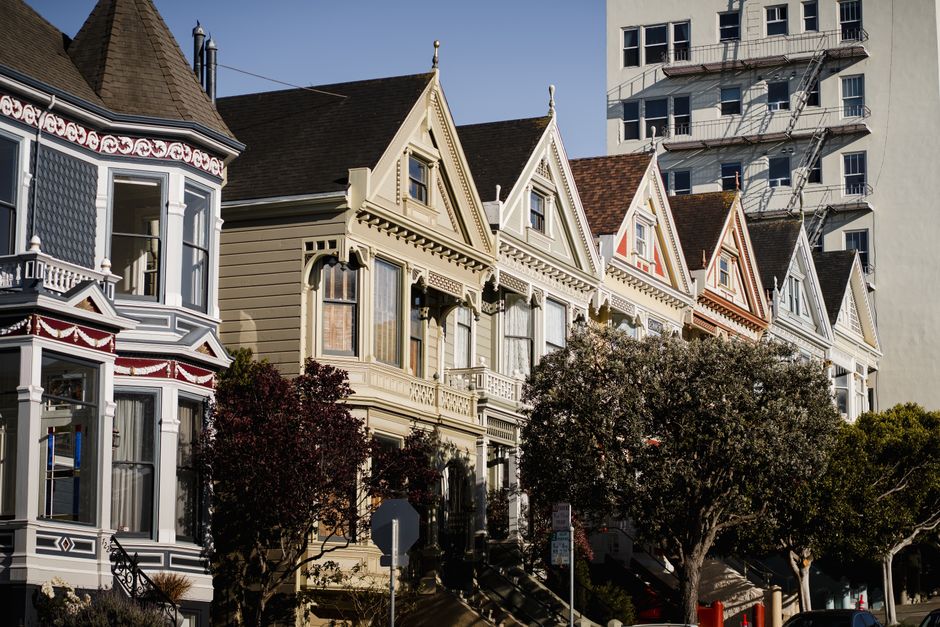
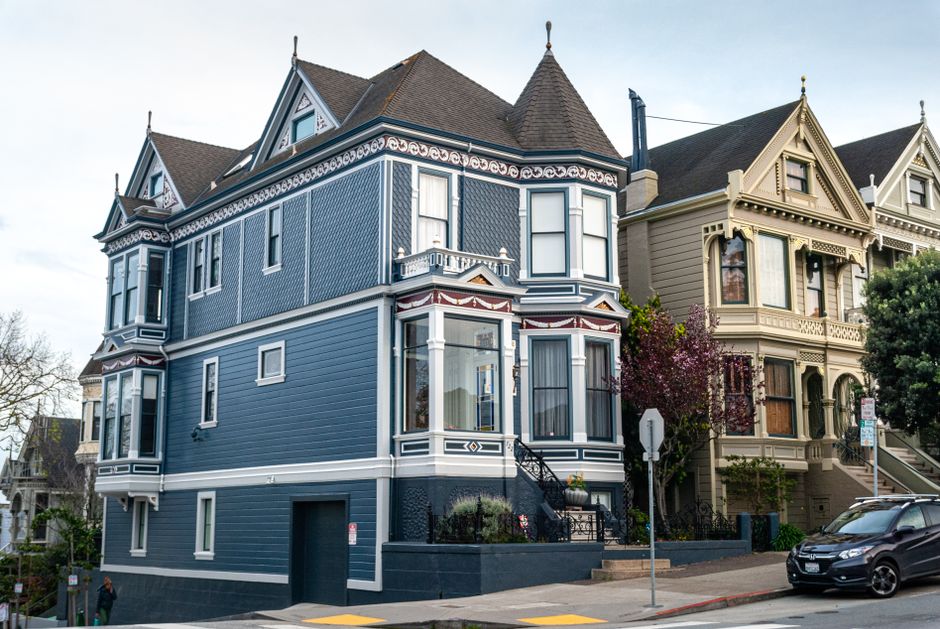
This bifurcation matters because it signals affordability compression at the middle. First-time buyers and young families are being squeezed from below by investors and downsizers, while the premium neighborhoods—Pacific Heights, Marina, Upper Fillmore—remain insulated by their own supply scarcity and wealth demographics. A recent auction of a three-bedroom Victorian on Fillmore Street drew five bidders and closed 12 percent above estimates, despite inventory data showing slower overall movement citywide.
The tech sector's partial return has created pockets of demand that auction data is only beginning to capture. Properties near BART stations and with home office configurations are outperforming, while classic San Francisco apartments without flexible layouts are struggling. This suggests the market is pricing in permanent remote-work patterns, rewarding adaptability.
Perhaps most telling: clearance rates at recent weekend auctions have declined to lows last seen in 2021. That's the opposite signal from steady median prices, which can mask weak underlying demand. When fewer properties sell relative to those offered, it typically precedes either price correction or extended holding periods.
For renters hoping to eventually buy, the data offers little comfort. While price growth has slowed—a departure from the pandemic boom years—affordability hasn't genuinely improved. A household needs roughly $320,000 annual income to comfortably finance a median-price property under standard lending ratios. That remains far above San Francisco's median household income.
The market appears to be pausing rather than reversing. Auction results suggest buyers are more selective, waiting for better positioning rather than capitulating. Price data shows resistance below $1.2 million and sustained strength above $2 million. That middle ground—where most San Francisco homeownership aspirations live—remains the real story to watch.
This article was compiled by AI from the sources linked above and screened before publishing. See our editorial standards.
How does this story make you feel?
Spread the word
About this article
Published by The Daily San Francisco
Daily brief
Free, in your inbox before 7am. Weekdays.
More in Property