Rent Wars: How San Francisco's Shifting Market Is Reshaping the Landlord-Tenant Balance
As vacancy rates tick upward across the Mission and Marina, both property owners and renters are navigating a fundamentally changed landscape.
As vacancy rates tick upward across the Mission and Marina, both property owners and renters are navigating a fundamentally changed landscape.
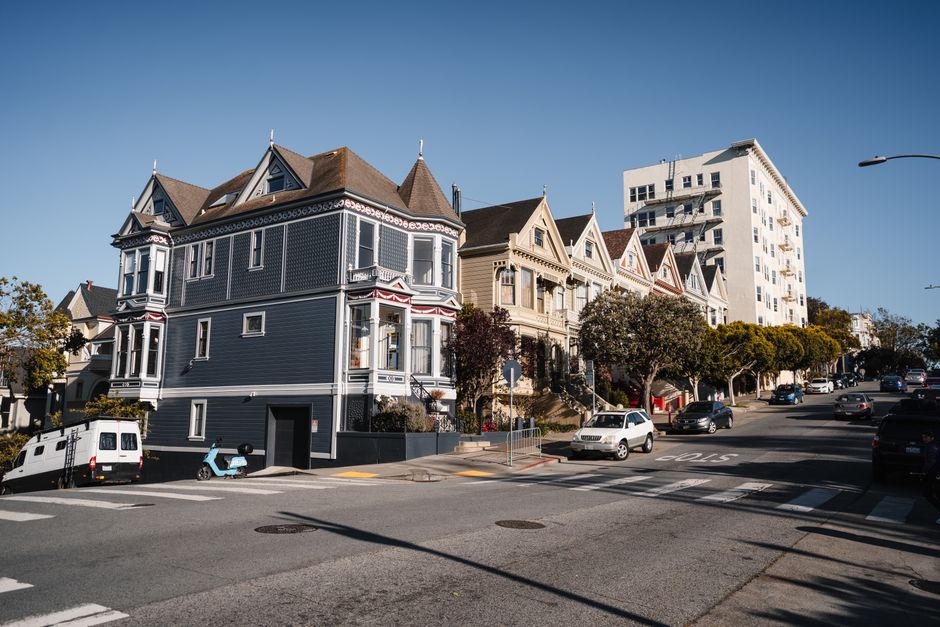
For nearly a decade, San Francisco's rental market functioned as a landlord's kingdom. With vacancy rates hovering below 3% and median rents exceeding $3,000 for a one-bedroom, property owners held all the leverage. But 2026 tells a different story—one that's forcing a reckoning across neighbourhoods from the Mission to Pacific Heights.
Recent data suggests the city's rental vacancy rate has climbed to approximately 5%, the highest in five years. While still competitive by national standards, the shift is palpable. Along Valencia Street in the Mission and stretching toward Dogpatch, landlords are increasingly offering move-in incentives—free months, reduced deposits, even furniture packages—tactics unthinkable just 36 months ago.
"We're seeing genuine tenant power return," says a senior analyst at a local property management firm. The tech sector's cyclical downturn, combined with remote work flexibility, has reduced the desperation that once characterised apartment hunting in San Francisco. Young professionals who might have accepted a $2,800 studio with no negotiation in 2023 now have options.
For tenants, this shift offers breathing room. A renter in the Mission District searching for a two-bedroom can now realistically ask for below-asking rent or negotiate lease terms. Organisations like the San Francisco Tenants Union report increased inquiries about rights and protections—a sign that the power dynamic is rebalancing.
But landlords aren't facing collapse. With the city's median property value still hovering around $1.3 million and strong investor demand from property groups seeking diversified portfolios, ownership remains profitable. The challenge is adapting expectations. A property owner on Fillmore Street in Pacific Heights or along the waterfront in Marina may experience a 5-8% reduction in achievable rent compared to early 2024, but vacancy remains manageable at reasonable rental rates.
Small landlords—those owning one or two properties as investment vehicles—are feeling the squeeze most acutely. They lack the scale to absorb vacancy costs or offer sophisticated amenities that newer buildings along the Bay provide. Meanwhile, large institutional investors are strategically repositioning portfolios, with some redirecting capital toward emerging neighbourhoods like Dogpatch, where younger tenants and growing commercial activity suggest longer-term upside.
By autumn 2026, San Francisco's rental market may well establish a new equilibrium: neither the tenant-hostile landscape of recent years nor a buyer's market, but rather a more balanced playing field where negotiation, flexibility, and genuine tenant considerations factor into pricing and lease terms.
For both sides, adaptation is no longer optional—it's essential.
This article was compiled by AI from the sources linked above and screened before publishing. See our editorial standards.
How does this story make you feel?
Spread the word
About this article
Published by The Daily San Francisco
Daily brief
Free, in your inbox before 7am. Weekdays.
More in Property
