San Francisco's property market has always been about capital appreciation. But in 2026, a quiet shift is underway: investors are starting to care about something they've largely ignored for two decades—rental yield.
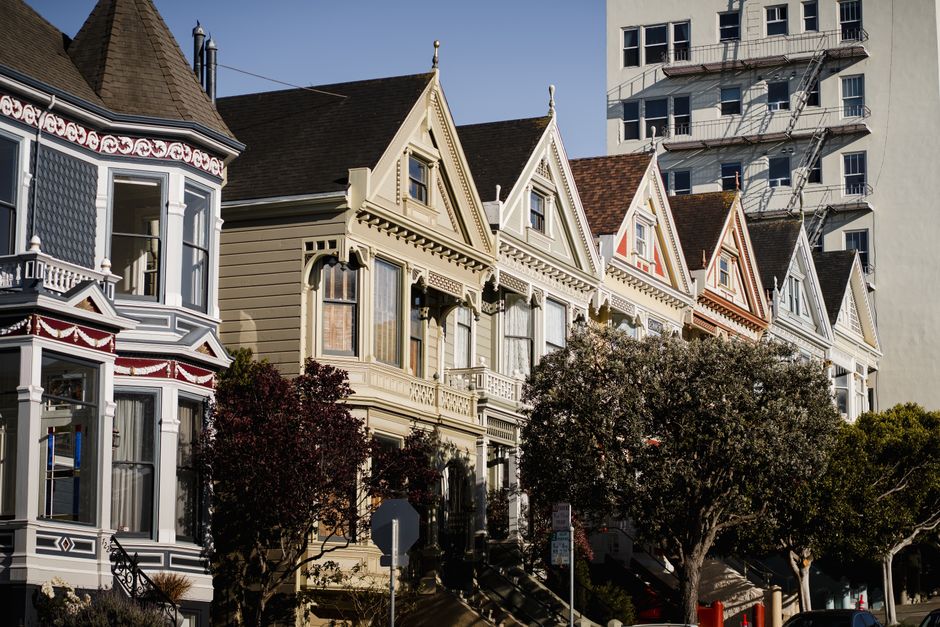
The numbers tell a revealing story. While Pacific Heights and the Marina continue commanding premium prices—median $2.1 million and $1.95 million respectively—the gross rental yields hover around 2.5 to 3 percent. At those rates, investors are betting almost entirely on price growth rather than cash flow. That's a luxury fewer can afford in a market where interest rates have stabilised higher and certainty has evaporated.
The action, increasingly, is elsewhere. The Mission District and Dogpatch are where the yield conversation is happening. A two-bedroom on Valencia Street or 20th Street might fetch $850,000 to $950,000, with comparable rents hitting $3,500 to $4,000 monthly. That pencils out to 4.4 to 5 percent gross yield—not spectacular by national standards, but meaningful in San Francisco. Add in the neighbourhood's proven demand from both young professionals and remote workers, and the risk-return profile suddenly makes sense.
Noe Valley and Glen Park present similar mathematics. Detached homes in the $1.2 to $1.5 million range are generating 3.5 to 4.2 percent yields, with strong tenant demand from families and long-term renters. Both neighbourhoods have weathered the pandemic better than downtown-adjacent areas, and both remain undershooting the city's headline median price.
The real opportunity, data suggests, sits in the corridors connecting these pockets. Properties near BART stations—24th Street in the Mission, Glen Park Avenue—command premiums but also deliver deeper tenant pools. A studio or one-bedroom commanding $2,200 rent against a $550,000 purchase price approaches 4.8 percent yield before expenses. For institutional investors returning to San Francisco after years of hedging, that gap between price and income is closing the valuation argument.
The property market's evolution is subtle but crucial. The era when San Francisco investors could ignore yield entirely is ending. The city still attracts wealth—tech salaries and venture returns remain potent—but smart capital is now interrogating fundamentals. Mission rents are rising faster than property prices. Dogpatch's bedroom count is expanding. Glen Park's transit access is improving.
Investors who win in 2026 aren't chasing headlines about $2 million parcels in premium postcodes. They're reading yield tables, understanding tenant composition, and buying where the numbers actually work.
This article was compiled by AI from the sources linked above and screened before publishing. See our editorial standards.