Potrero Hill's transformation from industrial backwater to investor darling represents one of San Francisco's most striking property reversals. With vacancy rates sitting at just 3.2 per cent—well below the city's troubled 6.8 per cent average—the neighbourhood bounded by 16th and Mariposa Streets is experiencing a quiet renaissance that's reshaping rental market dynamics across the Bay.
The numbers tell a compelling story. One-bedroom units along Connecticut Street and Arkansas Street now command $2,850 to $3,200 monthly, a 12 per cent jump from 2024. Two-bedroom apartments hover around $3,600, positioning Potrero as roughly 15 per cent cheaper than comparable Pacific Heights properties while maintaining superior tenant retention.
"What's driving this isn't speculation—it's infrastructure," explains local property management firm Bay Properties Group, noting the neighbourhood's accessibility to both BART via 16th Street Station and the emerging tech corridor around Slack's headquarters on Market Street. Unlike downtown's hollowed-out office parks, Potrero offers walkable amenities: Farley's East coffee, the iconic Potrero Hill Library, and recreational space at Garfield Square that appeals to remote workers seeking neighbourhood anchors.
The neighbourhood's residential character has proven resilient against the commodification plaguing other districts. Mixed-income housing clusters near the San Francisco General Hospital precinct have stabilized family tenancy, while the growing creative community around the Potrero Hill Community Center sustains a demographic breadth absent from single-industry neighbourhoods.
Landlords are taking notice. Rental property sales on Arkansas Street and 18th Street recorded a median of $1.85 million in the first half of 2026, reflecting 8 per cent appreciation despite the broader market's caution. Institutional investors, traditionally fixated on Marina properties, are quietly acquiring multi-unit complexes—signalling confidence in Potrero's long-term trajectory.
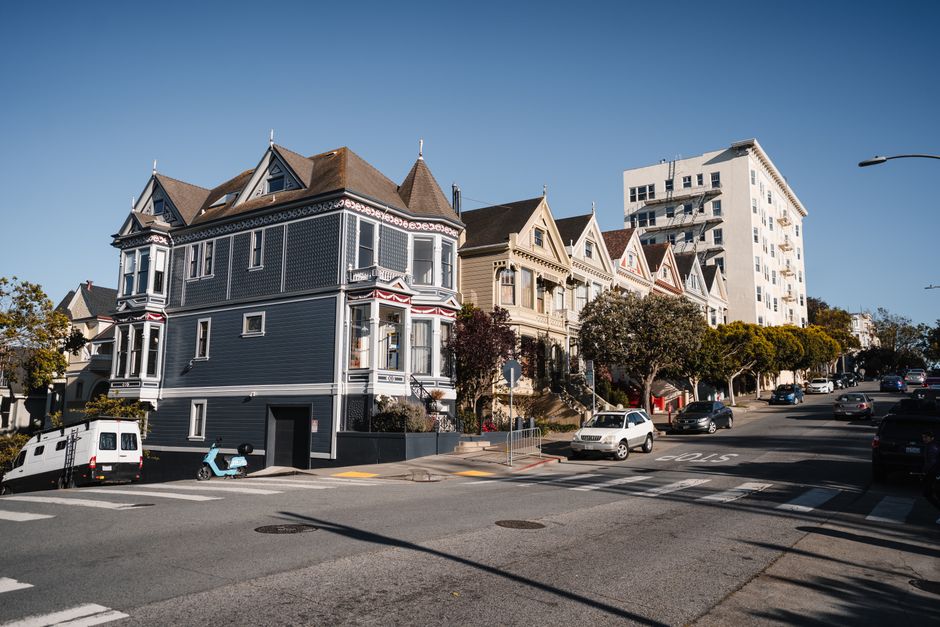
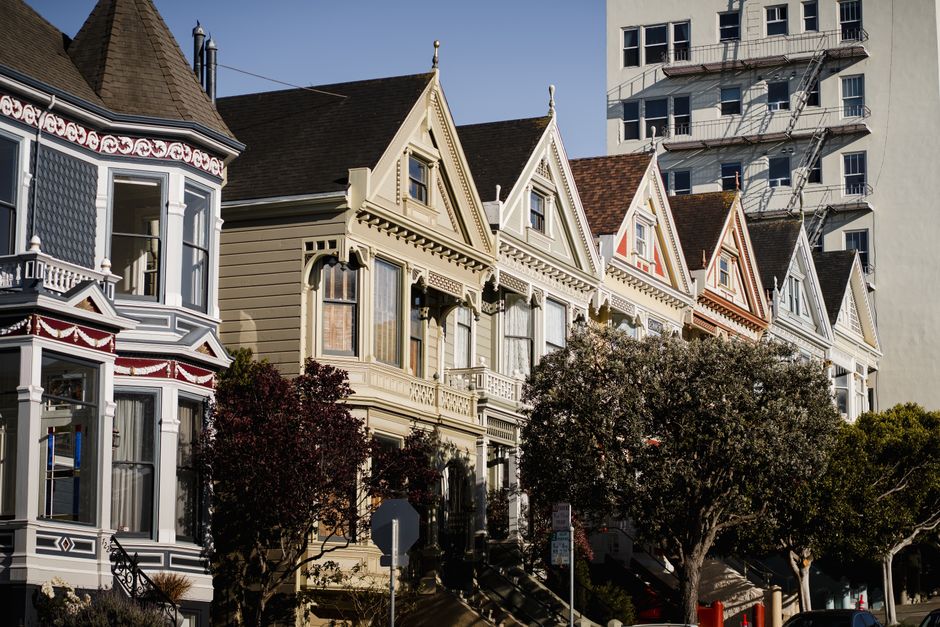
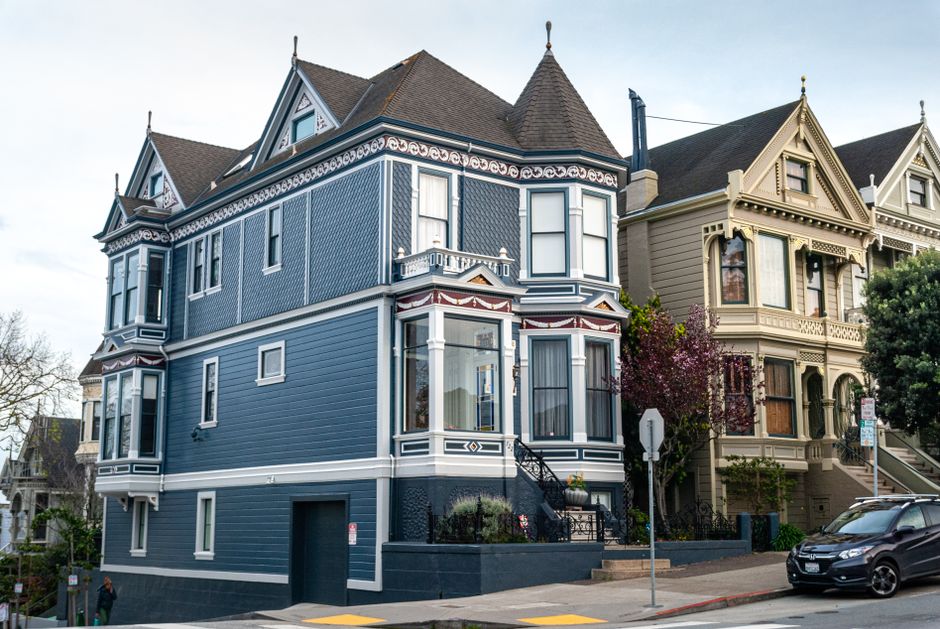
The tight vacancy rate comes with nuance. While tenant demand remains robust, the neighbourhood's older building stock—predominantly converted Victorians and early-1900s structures—has required landlords to invest in upgrades to justify rental premiums. Those willing to modernise brownstones along Vermont Street have seen rapid lease-ups; units featuring updated kitchens and in-unit laundry vanish within weeks.
For investors, Potrero Hill represents an unconventional play: genuine neighbourhood stability without the speculative froth consuming Mission District properties. As downtown's rental market continues struggling and Pacific Heights prices remain stratospheric, Potrero's emergence as a balanced, accessible alternative suggests the city's rental future may depend less on proximity to corporate towers and more on liveable streets.
This article was compiled by AI from the sources linked above and screened before publishing. See our editorial standards.