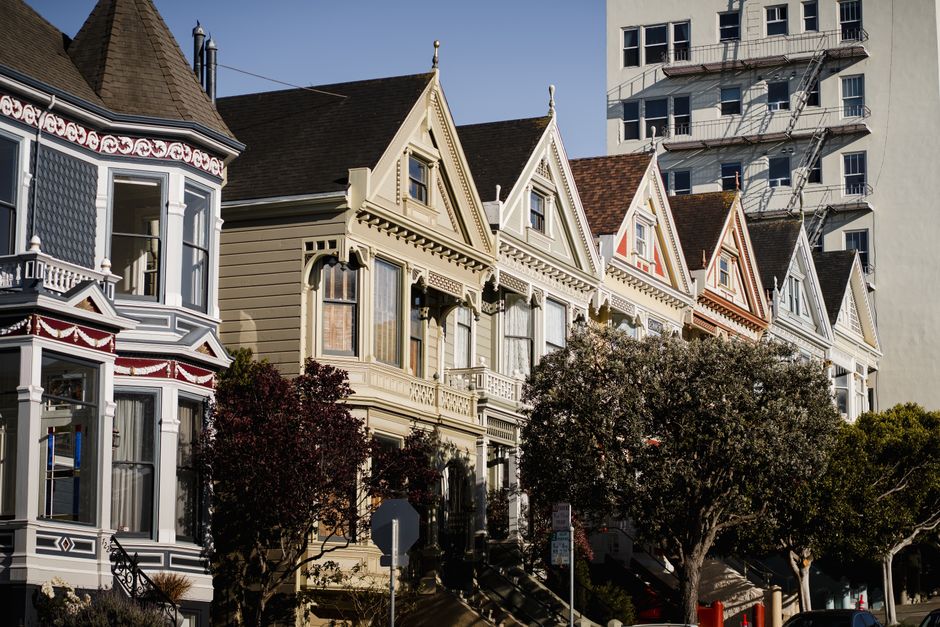
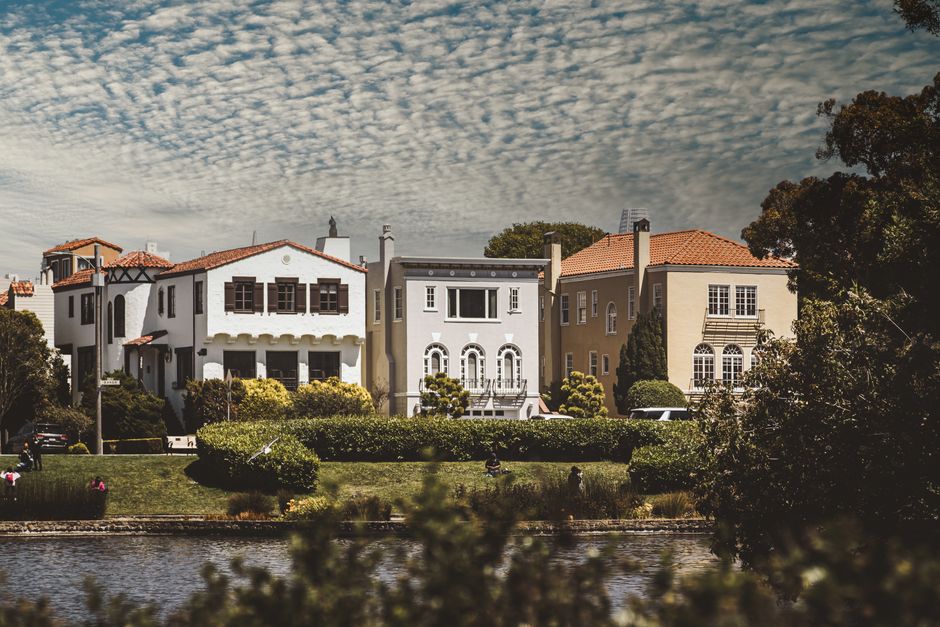
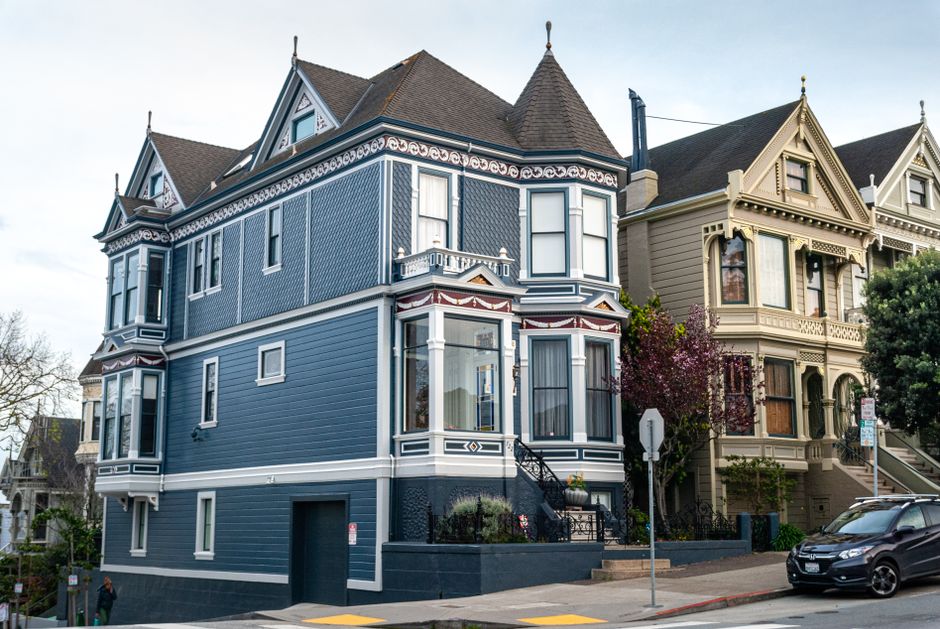
San Francisco's luxury property market is experiencing a peculiar moment. While national headlines fixate on auction clearance rates and market cycles, the city's prestige sector—homes above $3M in Pacific Heights, Marina, and increasingly Dogpatch—is being driven by a remarkably specific set of conditions that differ sharply from broader market dynamics.
The primary engine remains tech sector recovery. After 2023's painful corrections, major employers have stabilised hiring and returned executives to office environments. This has created genuine demand for premium real estate within commuting distance of SOMA and South Bay tech hubs. Buyers in their late 30s and 40s—many with liquid assets from stock options or earlier acquisitions—are re-entering the market with conviction that hasn't existed in three years.
But tech money alone doesn't explain current pricing. The second factor is brutally simple: supply. San Francisco's inventory of homes above $2.5M remains constrained by zoning realities and historical underbuilding. Pacific Heights' Victorian-era housing stock cannot be replicated; Marina's waterfront proximity creates permanent scarcity. Unlike lower-tier markets where new construction theoretically moderates prices, ultra-luxury purchasers have nowhere else to go. They either pay or wait.
Interest rate expectations also factor differently at the high end. While median-price buyers obsess over basis points, luxury purchasers increasingly use cash or sophisticated financing structures. A $4M Pacific Heights home purchased with 30% down remains affordable for established wealth even at 5.5% rates. This insulates the prestige market from rate sensitivity that constrains other segments.
What's changing is geography. Dogpatch—historically undervalued—has emerged as an alternative for buyers seeking new construction and waterfront positioning without Pacific Heights' $8M-plus entry points. Several planned residential developments there are attracting serious interest from tech executives seeking $2.5M-3.5M recently completed homes rather than renovation projects in established enclaves.
For buyers now, several principles apply. First, location hierarchy has shifted subtly; Marina premium remains absolute, but Dogpatch's momentum is real and documented. Second, condition matters more than price alone—renovated homes at $3M outperform unrenovated homes at $2.8M because financing and buyer confidence follow quality indicators. Third, expect less negotiation room than 18 months ago. Homes in desirable condition are receiving multiple offers.
The luxury market's apparent resilience masks a narrower truth: it's not that prices are driven by overall economic strength, but by concentrated wealth, geographic scarcity, and returning confidence in tech sector durability. Understanding these distinct drivers—rather than treating high-end property as simply an extension of median-market dynamics—is essential for sophisticated buyers right now.
This article was compiled by AI from the sources linked above and screened before publishing. See our editorial standards.