Dogpatch has long occupied an odd position in San Francisco's property hierarchy: close enough to the Mission to feel authentic, far enough from downtown to seem like an outlier. That calculus is shifting fast. The neighbourhood is now anchoring nearly $1.8 billion in mixed-use development, fundamentally altering both its character and its appeal to investors hunting for upside beyond Pacific Heights' saturated market.
The catalyst is infrastructure. The completion of the Third Street rail line and ongoing improvements to the Bay Trail have transformed what was essentially a dead-end industrial zone into a genuinely connected neighbourhood. Median prices have climbed from $1.2 million three years ago to approximately $1.55 million today—still below the city's $1.3 million median, but accelerating faster than most adjacent areas. That gap is precisely what's attracting developer attention.
Three projects exemplify the trend. The 18th Street waterfront development is introducing 340 residences alongside 50,000 square feet of retail and office space, anchored by a restored historic cannery facade. A second project on Tennessee Street will add 280 units of mixed-income housing, with 25 per cent affordable at below-market rates—a regulatory requirement that's reshaping project economics across the city. The third, near the Serpentine Lake recreation area, focuses on smaller, modular units aimed at the professional-class renter market that's returned to San Francisco after three years of exodus.
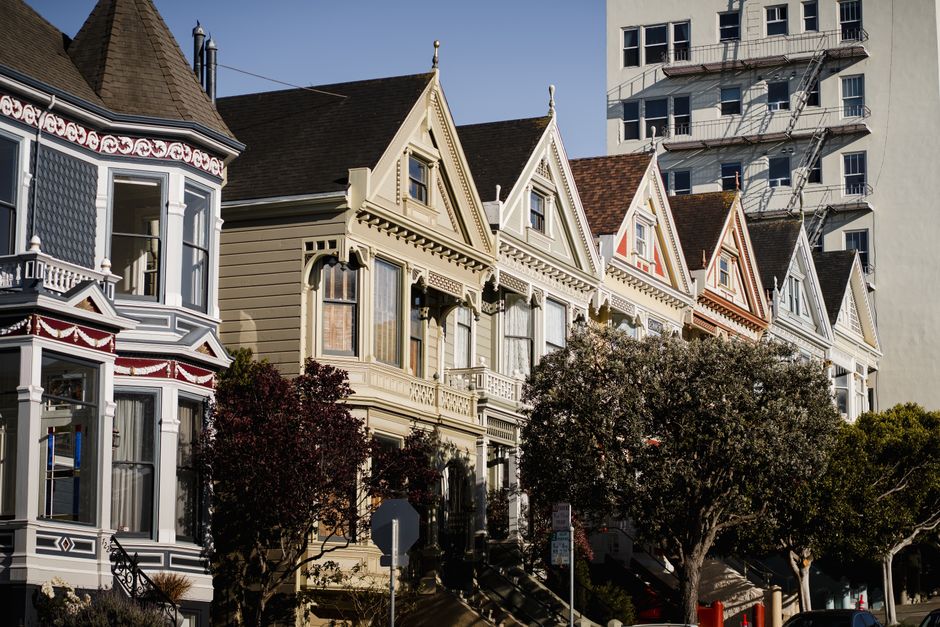
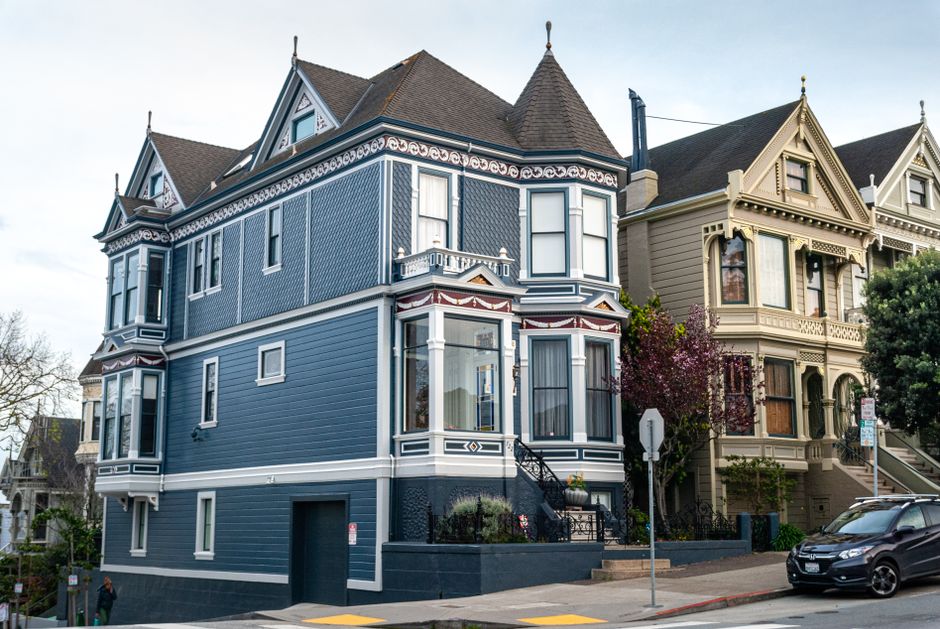
For existing property holders, the implications are significant. Homeowners on Vermont Street and along the eastern reaches have already seen modest appreciation; a three-bedroom Edwardian that would have languished at $1.4 million in 2023 now moves decisively at $1.65 million. Investors are noticing. Several institutional buyers have quietly acquired development sites along the 19th and 20th Street corridors, betting that secondary retail corridors will consolidate around the new housing density.
The risk is gentrification velocity. Dogpatch still maintains working-class roots—the San Francisco Firefighters Museum, local galleries, and industrial-heritage tourism remain important cultural anchors. Whether the neighbourhood can absorb 600-plus new residents while preserving that character is the unanswered question. Similar transitions in the Mission and Potrero Hill have proven uneven.
What's certain: Dogpatch's investment window is narrowing. Six months ago, you could acquire below-median-priced properties with development potential. Today, that arbitrage is tightening. The neighbourhood's three major projects aren't isolated bets—they're confirmation that San Francisco's property premium is redistributing, and smart money is already positioned.
This article was compiled by AI from the sources linked above and screened before publishing. See our editorial standards.