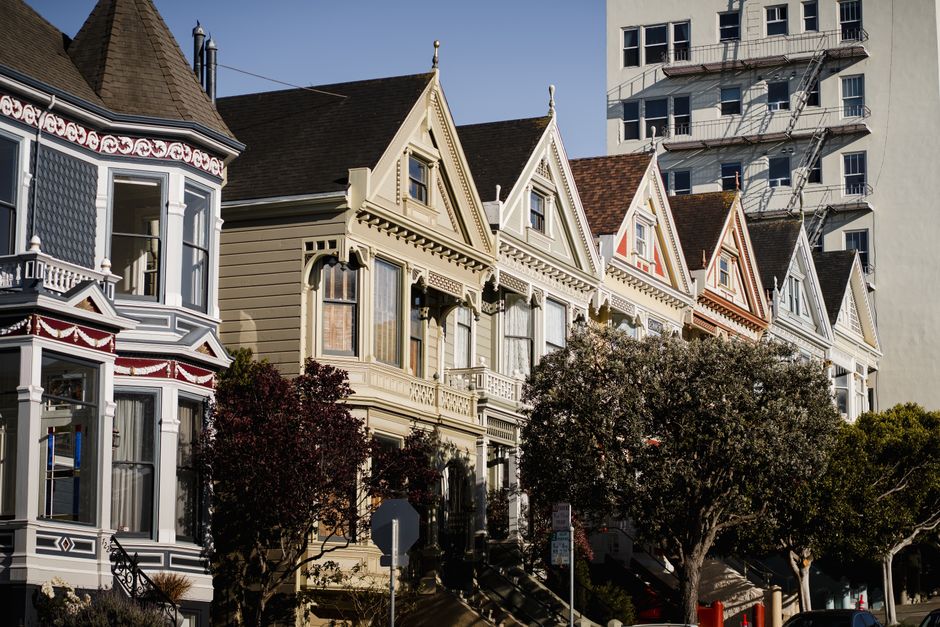
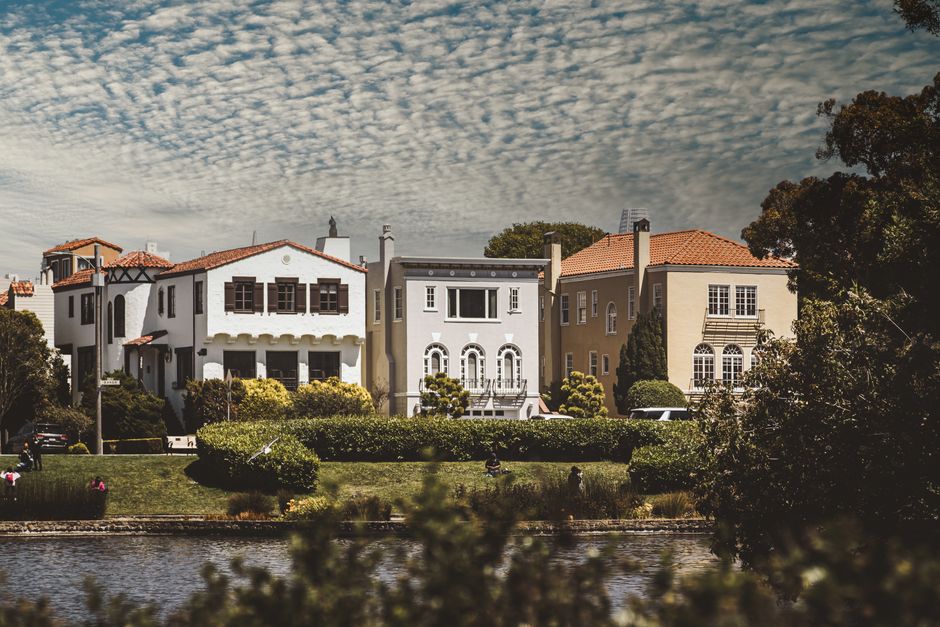
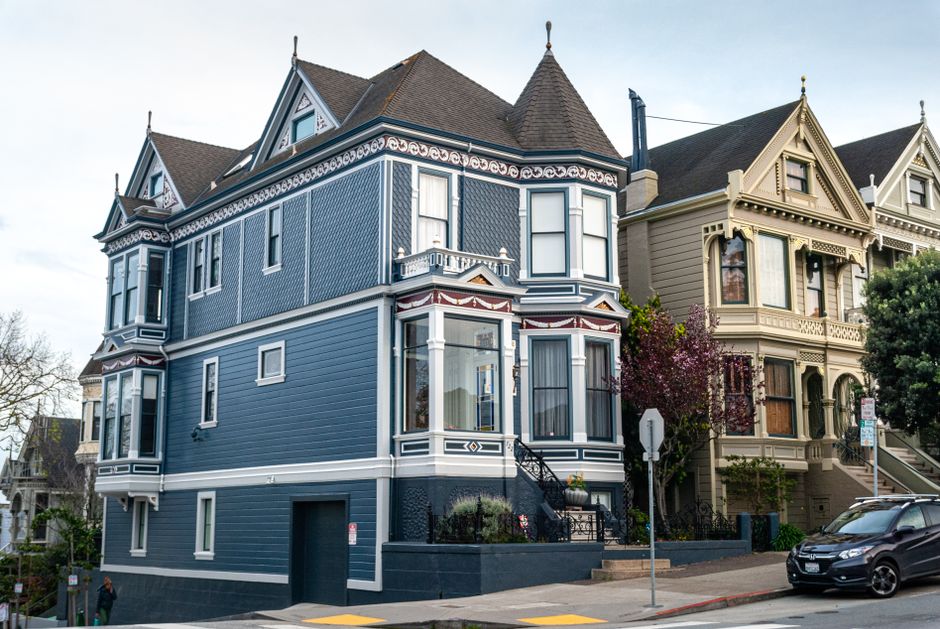
San Francisco's luxury rental market is experiencing a profound realignment. After years of tenant-favourable conditions, landlords in prestigious addresses like Pacific Heights and the Marina are reasserting control, while renters face heightened scrutiny, steeper costs, and shrinking negotiating power.
The reversal reflects broader market dynamics. With the median rent now hovering near $3,800 monthly—up nearly 18 percent since early 2024—and tech sector hiring accelerating across SoMa and South Beach, demand for high-end residential space has intensified. Property managers report that three-bedroom units in Marina District commanding $8,500 to $9,200 monthly are generating bidding wars, a phenomenon virtually unthinkable during the pandemic downturn.
For tenants, this means rigorous vetting. Premium landlords increasingly demand proof of income at five times the monthly rent, substantial security deposits, and references from previous landlords. Some properties near Fort Mason and along the Embarcadero now require guarantors or proof of substantial liquid assets. Lease terms have hardened too: rent increases pegged to market rates every 12 months are becoming standard practice, even in rent-controlled markets where legal protections remain in place.
Yet the picture is nuanced. While trophy properties command premium pricing, mid-luxury rentals in emerging neighbourhoods like Dogpatch and the Mission—where tech workers and young professionals increasingly congregate—tell a different story. Landlords there face stiffer competition and are offering move-in incentives and flexible lease terms to secure tenants. A two-bedroom loft in Dogpatch, comparable to a Marina equivalent in amenities and size, might rent for $5,200 versus $7,800 just five kilometres away.
For landlords managing portfolios across multiple neighbourhoods, this creates operational complexity. Rising property taxes, maintenance costs, and insurance premiums mean margin pressure persists even as rents climb. Those with long-term tenants paying below-market rates face difficult decisions: renovate and re-lease at premium rates, or accept modest returns on aging stock.
The broader rental market remains supply-constrained. San Francisco's housing production, while improving, hasn't matched demand influx. Zoning restrictions around the Western Addition and ongoing development bottlenecks mean new inventory continues to be scarce, particularly at the luxury end of the spectrum.
Industry watchers suggest this phase—where landlord leverage peaks—may be temporary. Should interest rate cycles shift or tech sector hiring soften, the pendulum could swing back. For now, though, the luxury rental landscape favours those with deep pockets and clean credit reports.
This article was compiled by AI from the sources linked above and screened before publishing. See our editorial standards.