The New Wave: How San Francisco's Development Pipeline Is Reshaping Neighbourhoods
From the Dogpatch waterfront to mid-Market corridors, ambitious new projects promise to reshape housing supply and neighbourhood character—but not without tension.
From the Dogpatch waterfront to mid-Market corridors, ambitious new projects promise to reshape housing supply and neighbourhood character—but not without tension.
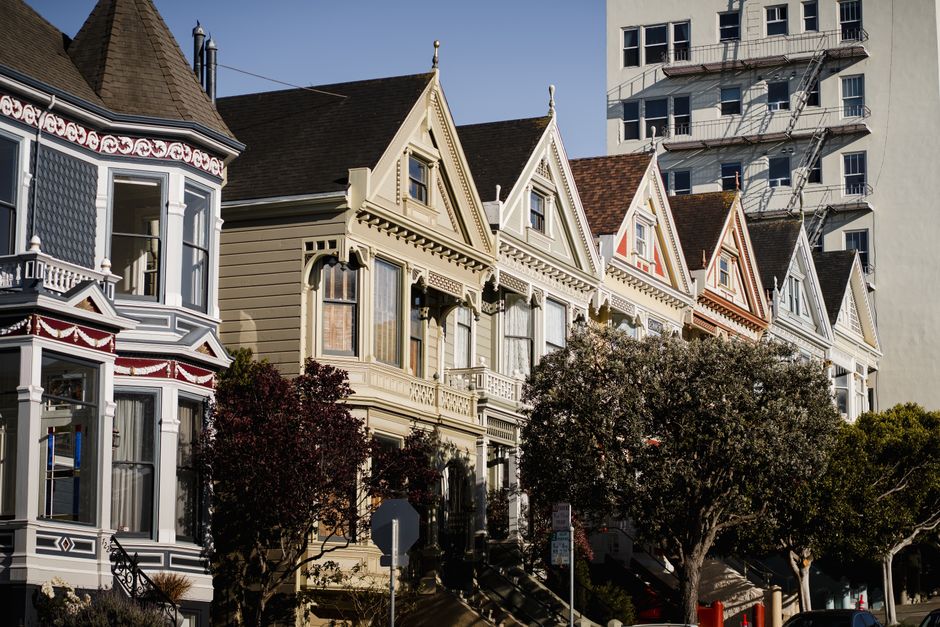
San Francisco's property market has spent the past eighteen months digesting a fundamental shift: tech workers are returning, rental demand is climbing, and developers are finally moving beyond the drawing board. The result is a construction pipeline that will define the city's neighbourhoods for the next decade.
The most visible transformation is unfolding along the Dogpatch waterfront, where multiple mixed-use towers are in advanced planning stages. These projects promise to add roughly 2,000 residential units to a neighbourhood that has already seen median prices climb 28 per cent since 2023. For context, Dogpatch remains more affordable than Pacific Heights or Marina—where penthouses command north of $4 million—but the gap is narrowing. New developments here aren't just about housing numbers; they're reshaping street life, bringing ground-floor retail and public space activation to corridors that were industrial wastelands five years ago.
Mid-Market presents a starkly different narrative. Approved projects between Fifth and Eighth streets represent an effort to densify one of the city's most troubled zones. Planners argue that mixed-income housing and office-to-residential conversions can stabilise the area; critics worry these developments will accelerate displacement in a neighbourhood where long-term residents and small businesses already struggle with rising rents. The calculus here is trickier than in booming Dogpatch: success depends not just on development approvals, but on services, public safety infrastructure, and genuine affordability components.
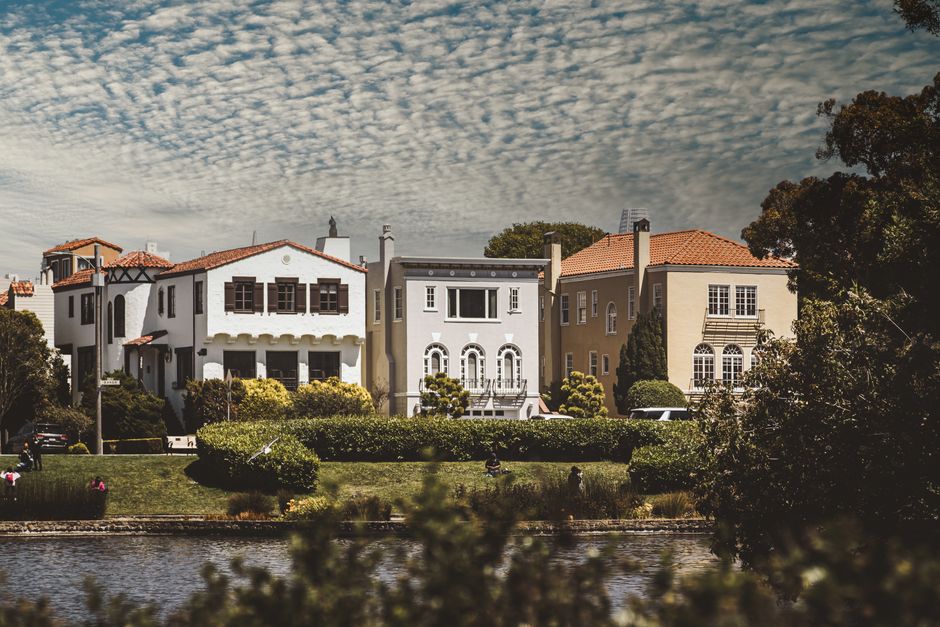
The Marina's expansion is more measured. New residential projects near the Presidio's eastern edge appeal to buyers seeking the neighbourhood's established brand without peak pricing. With the median condo in Marina hovering near $1.6 million, these developments target the $1.8–2.3 million bracket—steep, but positioned as more accessible than Pacific Heights alternatives.
What's remarkable is the approval velocity. The Planning Department's streamlined timeline for certain projects—particularly housing-focused proposals—has cut review cycles from 18–24 months to 8–12 months. Whether this accelerates genuine supply growth or simply concentrates development in already-hot neighbourhoods remains contested.
For investors and owner-occupiers, the implication is clear: location premium is hardening. Established neighbourhoods with completed or near-completion projects command price stability; areas still waiting on approvals face uncertainty. Dogpatch's trajectory suggests that infrastructure investment and authentic street-level activation can sustain momentum, but only if housing supply actually materialises rather than becoming another Bay Area planning phantom.
This article was compiled by AI from the sources linked above and screened before publishing. See our editorial standards.
How does this story make you feel?
Spread the word
About this article
Published by The Daily San Francisco
Daily brief
Free, in your inbox before 7am. Weekdays.
More in Property