The Yield Reality Check: What San Francisco Investment Property Returns Actually Show
With median prices hovering near $1.3M, Bay Area landlords are discovering that gross rental income alone doesn't guarantee prosperity.
With median prices hovering near $1.3M, Bay Area landlords are discovering that gross rental income alone doesn't guarantee prosperity.
San Francisco's investment property market presents a paradox that's reshaping how savvy investors approach returns. While the median home price sits around $1.3 million, the actual cash-on-cash yields tell a more sobering story than headlines about tech-driven demand might suggest.
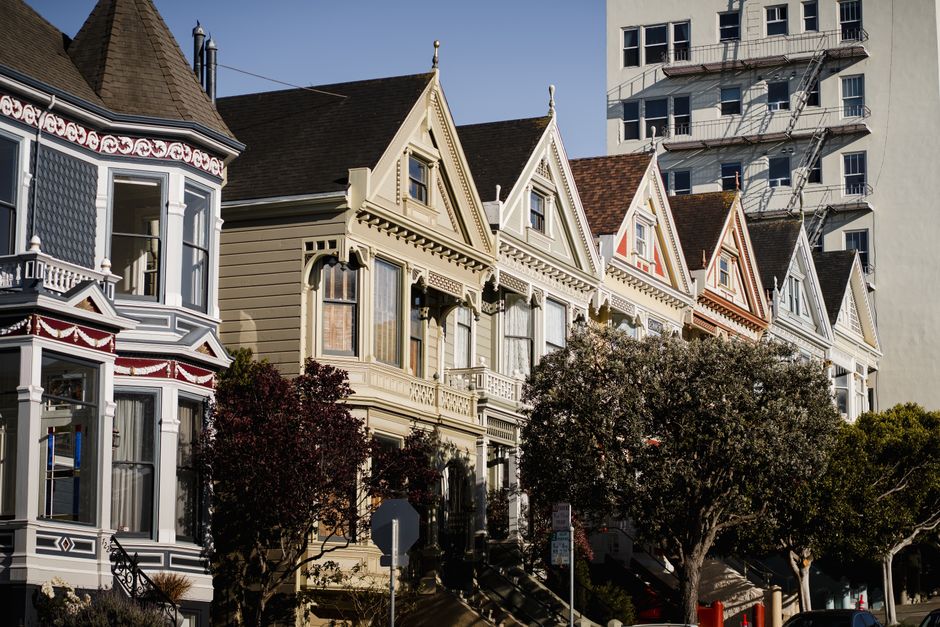
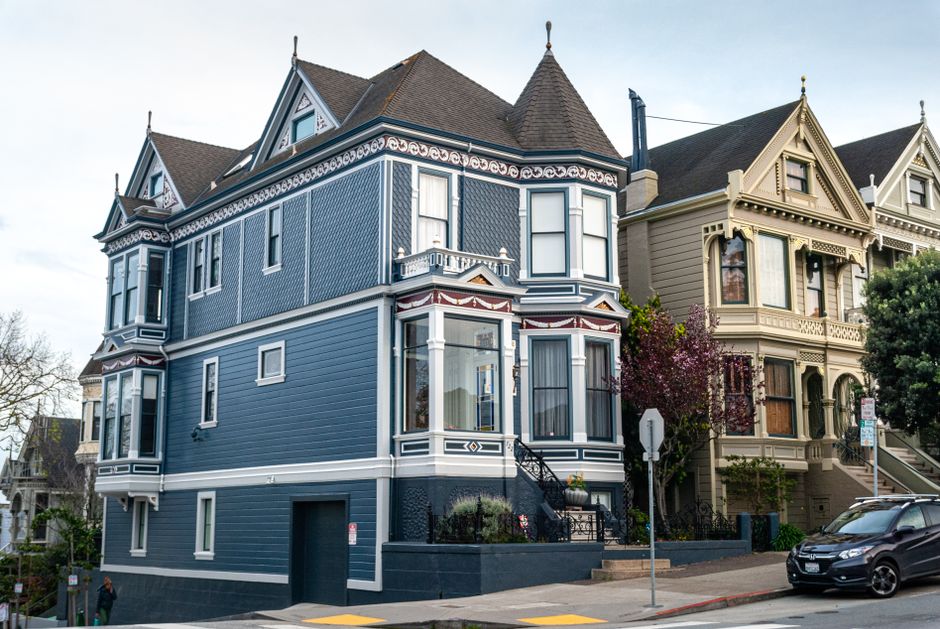
Recent market analysis reveals that gross rental yields across San Francisco average between 2.5% and 3.5%—a figure that sounds reasonable until you subtract property taxes, maintenance reserves, insurance, and vacancy rates. In established neighborhoods like Pacific Heights and the Marina, where purchase prices command premium multiples, net yields frequently drop below 2%. A $2.8 million Victorian on Fillmore Street, for instance, might generate $60,000 in annual rent, translating to just 2.1% gross yield before expenses.
The emerging plays tell a different story. Mission District and Dogpatch properties, where values have climbed steadily but haven't yet reached peak multiples, are attracting investors hunting for better spread. A two-unit building near 24th Street BART could fetch $850,000 and generate $4,500 monthly rent, pushing gross yields closer to 6.3%—before accounting for the neighborhood's higher vacancy and turnover costs.
What's changed this year is investor awareness. After years of banking purely on appreciation, property owners are scrutinizing actual yield numbers more carefully. The return of tech sector demand has steadied occupancy rates above 95% in most neighborhoods, but it hasn't meaningfully expanded rental growth—rents have been effectively flat in premium areas since 2023.
For landlords calculating returns, the numbers demand clarity. A $1.3 million property with $4,500 monthly rent ($54,000 annualized) appears to yield 4.1% gross. But after property taxes (approximately $13,000 annually in San Francisco), insurance ($1,200), maintenance reserves (prudently set at 8-10% of rent), and a 5% vacancy buffer, net yield often settles around 1.2% to 1.8%. That's a sobering margin when compared against bond yields or real estate investment trust alternatives.
The smarter investors in today's market are reconsidering their approach. Rather than chasing appreciation alone, they're either targeting higher-yielding secondary markets in the Bay Area's outer rings, or positioning themselves for longer hold periods where market cycles provide the genuine wealth creation. The downtown office-to-residential conversion pipeline might also eventually improve central district yields, though timelines remain uncertain.
The lesson from current San Francisco yields is clear: property investment here increasingly demands either significant capital, patient long-term horizons, or diversified geographic strategy. The days of buying San Francisco real estate purely for income returns are largely finished.
This article was compiled by AI from the sources linked above and screened before publishing. See our editorial standards.
How does this story make you feel?
Spread the word
About this article
Published by The Daily San Francisco
Daily brief
Free, in your inbox before 7am. Weekdays.
More in Property