Politics
San Francisco's District 11 Race Tests New Campaign Finance Rules
A competitive supervisorial election this fall will be the first major test of the city's updated contribution limits, with the outcome likely to influence which neighborhoods see affordable housing development.
How we reported this
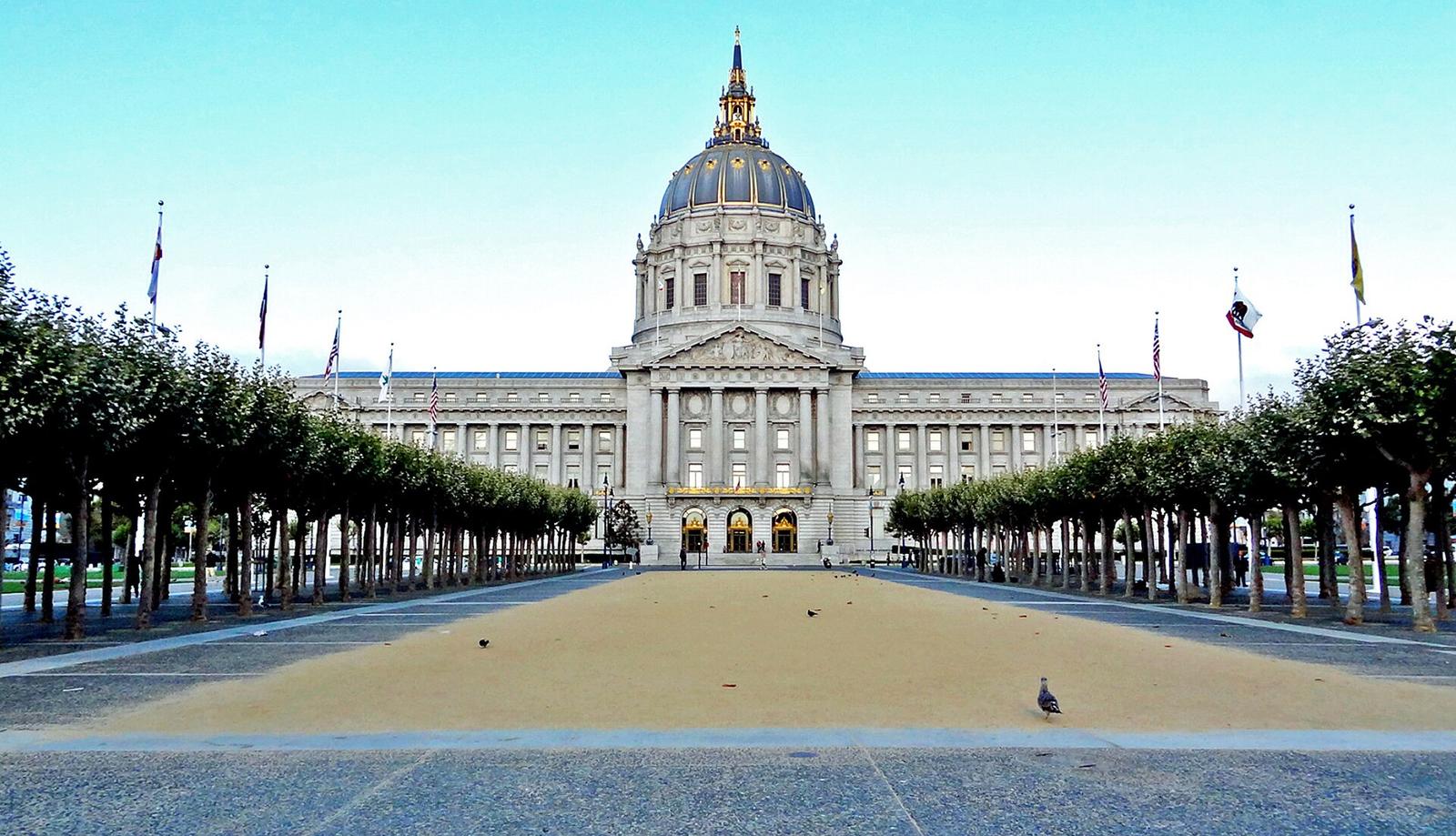
The race for San Francisco's District 11 supervisor seat, which covers the Outer Sunset, Parkside and parts of Outer Richmond, has attracted five candidates and become a proving ground for the city's revised campaign finance framework. The election, scheduled for November 2026, arrives as the Board of Supervisors faces critical decisions on zoning changes that would unlock housing construction in these neighborhoods-decisions the next supervisor will help shape.
San Francisco's updated campaign contribution limits, which took effect in January 2026, cap individual donations at $500 per candidate and restrict spending by outside committees. The rules represent a tightening from the previous $750 individual limit and broader latitude for independent expenditure committees. For District 11 voters, the new framework means less spending overall-expected to total roughly $1.2 million across all candidates, compared to $1.8 million in the last supervisorial race five years ago-but potentially more visibility into who is bankrolling campaigns.
The district sits at the intersection of competing housing pressures. Rents in the Outer Sunset averaged $2,100 per month for a one-bedroom apartment as of June 2026, according to rental market data compiled by the Chronicle. The area has zoning that allows only single-family homes on about 65 percent of residential land, which policy analysts note limits supply and pushes prices upward. The next supervisor will inherit a city planning process designed to increase density near transit corridors, including along the M-Ocean View light rail line that passes through the district.
What's at Stake for Working Families
Three of the five candidates have explicitly endorsed changes to allow more multi-unit residential buildings in the district, while two have called for slower, more neighborhood-focused approaches to zoning reform. The timing matters for residents immediately. The Planning Department is expected to complete a draft zoning amendment for the Outer Sunset by early 2027. Whoever wins the supervisory seat in November will effectively have veto power over that proposal through the board's land use committee. The supervisor also appoints members to the Planning Commission, which will review the amendment's environmental impact.
For renters currently spending 50 percent or more of household income on housing-a figure that applies to roughly 41 percent of renter households citywide, according to the 2024 San Francisco Housing Needs Assessment-the outcome shapes whether new apartments will be built at market-rate or deed-restricted affordable prices. Developers say they need zoning permission for density to justify investment in the Outer Sunset; without it, most new construction will remain single-family homes priced at $1.6 million and above, effectively keeping the neighborhood inaccessible to working-class families.
The Campaign Finance Test
The tighter contribution limits mean candidates must rely more heavily on small-dollar fundraising and their own personal networks. Two candidates have already disclosed fundraising in the $80,000 to $110,000 range as of mid-June 2026, while others are still building cash on hand. The reduced outside spending-committees can no longer take unlimited donations-may mean fewer mailers and fewer digital ads saturating District 11 voters' mailboxes by October.
The Board of Supervisors will monitor this race as a test case for the new rules' effectiveness. If the campaign finance changes successfully shift the balance of influence away from large donors and toward grassroots support, they could become a model for future charter amendments. If turnout drops or candidates complain the limits prevent them from reaching voters, the board may revisit the framework as early as next year.
Voting day is November 3, 2026. Early voting begins October 19 at locations across the district.