San Francisco Faces New City Council Makeup Following 2026 Election Results
The recent city elections reshape council representation, affecting local policymaking in housing, public safety, and transit for residents.
The recent city elections reshape council representation, affecting local policymaking in housing, public safety, and transit for residents.
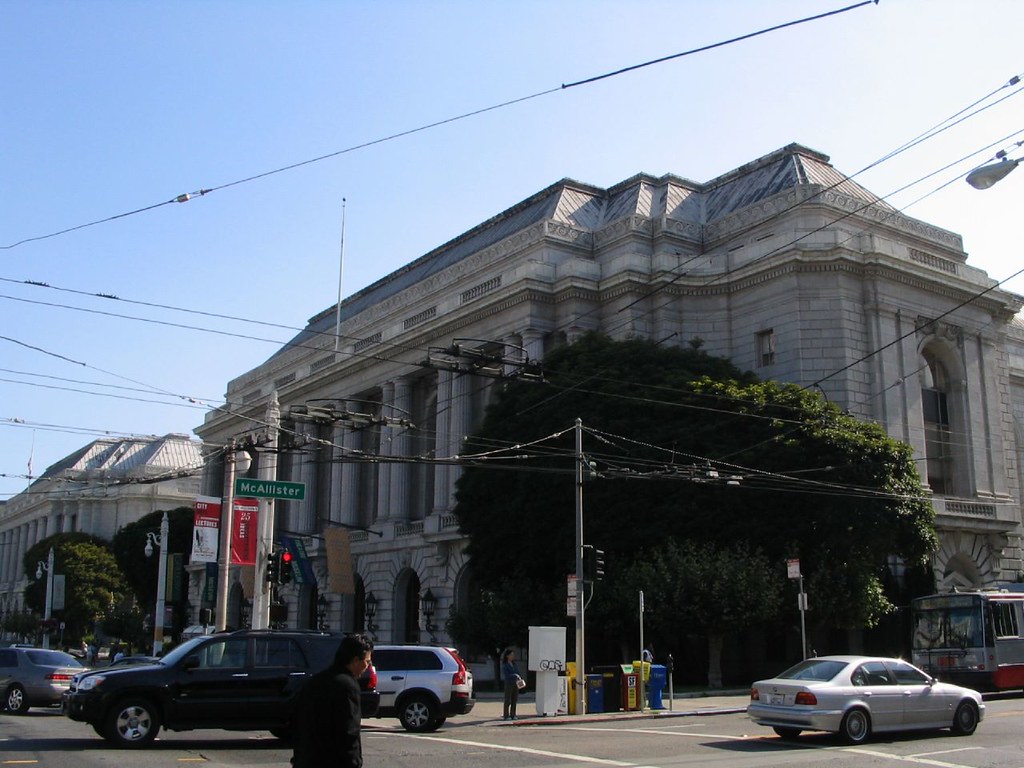
San Francisco’s 2026 municipal elections concluded with voters electing six new members to the 11-seat City Council, alongside the re-election of five incumbents. These changes will directly influence local policies on housing development, public safety enhancements, and transportation funding over the next four years. The shift in council composition arrives amid pressing city challenges such as housing shortage, mental health services, and infrastructure upgrades.
City council decisions affect daily life in San Francisco, from setting budgets to approving zoning changes and public safety protocols. This election cycle saw intensified voter engagement following recent spikes in homelessness and crime rates, along with ongoing debates over affordable housing development. The council’s balance between progressive members advocating for expanded rent controls and moderate members calling for streamlined housing approvals will shape San Francisco’s urban landscape.
Residents face long waits for accessible transit and housing. The new council’s stance on these key issues will influence investments in City transportation systems like Muni and BART, as well as strategies to address the city’s housing deficit, which currently stands at an estimated 36,000 units per the 2025 Housing Inventory report.
The newly elected council includes a mix of candidates from various districts who campaigned on expanding mental health outreach, increasing affordable housing production, and reforming public safety programs. For example, District 7’s incoming member emphasized support for supervised consumption sites as part of the city’s harm reduction approach, which is expected to affect resource allocation for public health organizations in neighborhoods such as the Tenderloin and SoMa.
This election also determines the distribution of funds within the city's $13 billion budget for fiscal year 2026-2027. Specific budget line items allocated to homelessness services have grown by 8 percent compared to the previous year, projecting increased outreach teams and temporary shelter capacity. Public transit funding is also set to rise following successful measures encouraging service expansions on key routes used by over 110,000 daily riders.
Policy analysts note the new council majority is likely to prioritize legislation aimed at expediting housing permits while balancing tenant protections, which could impact the pace of construction and rental market conditions for the city’s 880,000 residents. Additionally, shifts in policing budgets and alternative crisis response teams are expected as part of the broader public safety strategy aligned with community input gathered in 2025.
Transparency advocates highlight that the 2026 elections saw record numbers of early and mail-in votes, totaling over 280,000 ballots cast, reflecting an increase of 12 percent from the 2022 municipal election. This enhanced civic engagement is anticipated to keep new council members accountable to their campaign commitments.
The newly formed council will be sworn in during the first week of January 2027, with leadership elections scheduled shortly after. Residents can expect upcoming public hearings on the 2027-2028 budget this fall, providing opportunities for community input on spending priorities. The City Administrator’s office has confirmed that implementation of several high-profile initiatives, including a revamped affordable housing pipeline and expanded mental health programs, will commence in mid-2027.
Local advocacy groups encourage residents to monitor council meeting agendas and engage through public comment periods to influence decisions that affect neighborhoods directly. The election results set the stage for several critical policy debates with tangible outcomes in housing costs, safety measures, and public transportation convenience for everyday San Franciscans.
How does this story make you feel?
Spread the word
About this article
Published by The Daily San Francisco
Daily brief
Free, in your inbox before 7am. Weekdays.
More in policy


