Understanding the Duplicate Image Replacement Crisis: Background Context and How We Arrived at This Point
A closer look at the events and decisions that led to the current duplicate image replacement situation in San Francisco
A closer look at the events and decisions that led to the current duplicate image replacement situation in San Francisco
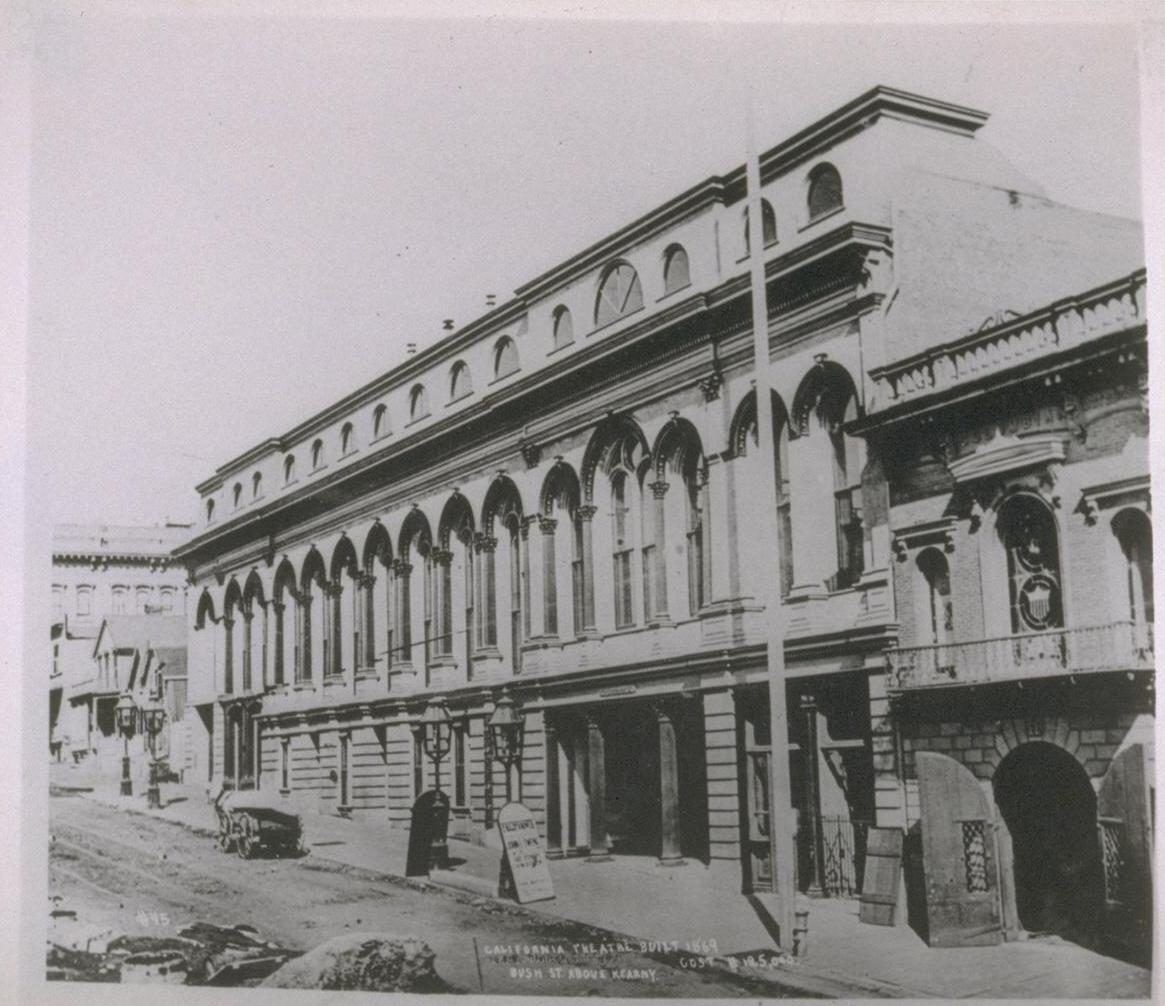
The duplicate image replacement crisis has been a growing concern in San Francisco, with many residents and businesses affected by the issue. At its core, the problem stems from the proliferation of duplicate images in various forms of media, leading to confusion, misinformation, and a breakdown in trust.
This issue matters now because of the city's strong connection to the tech industry, which has seen significant layoffs followed by an AI boom. The resulting shift in the job market has led to an influx of new residents and businesses, putting a strain on the city's infrastructure and services. As the city navigates this change, understanding the background context of the duplicate image replacement crisis is crucial for developing effective solutions. The crisis is particularly relevant in neighborhoods like the Mission District and SoMa, where the tech industry has a significant presence.
In San Francisco, the duplicate image replacement crisis is evident in various aspects of life, from the proliferation of fake news on social media to the use of AI-generated images in advertising. Local organizations like the San Francisco Chronicle and the de Young Museum have been working to address the issue, with initiatives such as media literacy programs and exhibitions on the impact of technology on society. For example, the Chronicle's recent series on the topic featured stories from residents in the Haight-Ashbury and Castro neighborhoods, highlighting the human impact of the crisis. Meanwhile, the museum's exhibition on AI-generated art has sparked important discussions about the role of technology in creative fields.
According to a recent report by the San Francisco Planning Department, the city has seen a 25% increase in reports of duplicate image replacement over the past year, with the majority of cases occurring in the downtown area and surrounding neighborhoods like Fisherman's Wharf and the Financial District. The report also notes that the average cost of resolving a duplicate image replacement issue is around $1,500, with some cases requiring significant investments of time and resources. As of June 2026, the city has allocated $500,000 to address the issue, with funds going towards education and outreach programs, as well as the development of new technologies to detect and prevent duplicate image replacement.
As the city moves forward, it is essential for residents and businesses to be aware of the duplicate image replacement crisis and take steps to protect themselves. This can include being cautious when sharing images online, verifying the authenticity of sources, and supporting local initiatives aimed at addressing the issue. By working together, San Francisco can develop effective solutions to the duplicate image replacement crisis and ensure that the city remains a hub of innovation and creativity. The city's response to the crisis will be closely watched by other major cities, including New York and Los Angeles, which are also grappling with the issue.
How does this story make you feel?
Spread the word
About this article
Published by The Daily San Francisco
Daily brief
Free, in your inbox before 7am. Weekdays.
More in News