San Francisco Officials Weigh In on Duplicate Image Replacement
Experts and key figures discuss the impact of duplicate image replacement on the city's digital landscape
Experts and key figures discuss the impact of duplicate image replacement on the city's digital landscape
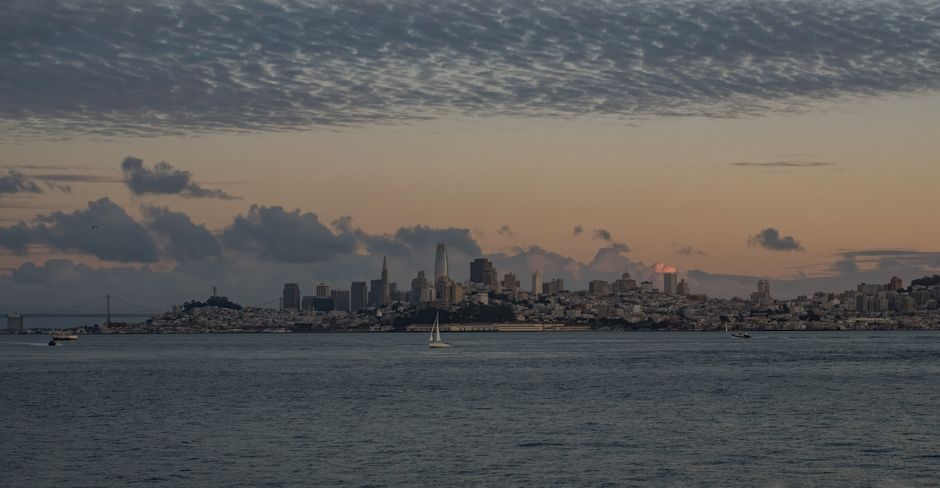
San Francisco's tech industry is abuzz with the latest development in image processing: duplicate image replacement. This technology, which allows for the automatic detection and replacement of duplicate images, has far-reaching implications for the city's digital infrastructure.
The reason this matters now is that San Francisco is home to a plethora of tech companies, startups, and entrepreneurs who rely heavily on digital media. With the rise of social media, e-commerce, and online advertising, the demand for efficient image processing has never been higher. As such, duplicate image replacement has become a crucial tool for companies looking to streamline their digital operations and reduce costs. The city's thriving tech sector, which includes companies like Twitter, Airbnb, and Uber, all headquartered in San Francisco, will likely be impacted by this technology.
In San Francisco, duplicate image replacement is being explored by organizations such as the San Francisco Museum of Modern Art (SFMOMA) and the de Young Museum, both of which have extensive digital collections. The SFMOMA, located on 3rd Street in the SoMa neighborhood, has already begun implementing duplicate image replacement technology to optimize its online collection. Similarly, the de Young Museum, situated in Golden Gate Park, is working with local tech companies to develop customized solutions for its digital exhibits. Other organizations, such as the San Francisco Public Library and the Exploratorium, are also investigating the potential benefits of duplicate image replacement.
According to a recent report by the San Francisco Chamber of Commerce, the city's tech industry accounts for over 30% of its GDP. With the average cost of storing a single image ranging from $0.05 to $0.10 per month, depending on the storage solution, the potential cost savings of duplicate image replacement are substantial. For example, a company like Pinterest, which is headquartered in San Francisco and stores over 100 billion images, could potentially save millions of dollars per year by implementing duplicate image replacement technology. As of 2025, the city's tech sector has seen a significant surge in investment, with over $10 billion in venture capital funding allocated to local startups.
As duplicate image replacement technology continues to evolve, it is likely that we will see widespread adoption across San Francisco's tech industry. Companies like Google, which has a significant presence in the city, are already exploring the potential applications of this technology. As such, it is essential for businesses and organizations to stay informed about the latest developments in duplicate image replacement and to consider how this technology can be leveraged to improve their digital operations. By doing so, San Francisco can continue to maintain its position as a hub for innovation and technological advancement, with areas like the Mission District and Fisherman's Wharf serving as hotbeds for startup activity and entrepreneurship.
How does this story make you feel?
Spread the word
About this article
Published by The Daily San Francisco
Daily brief
Free, in your inbox before 7am. Weekdays.
More in News