San Francisco's Property Records Are Full of Duplicate Images — and It's Costing Homeowners Real Money
A quiet data problem inside city databases is creating confusion for residents trying to sell, refinance, or verify their homes' histories.
A quiet data problem inside city databases is creating confusion for residents trying to sell, refinance, or verify their homes' histories.
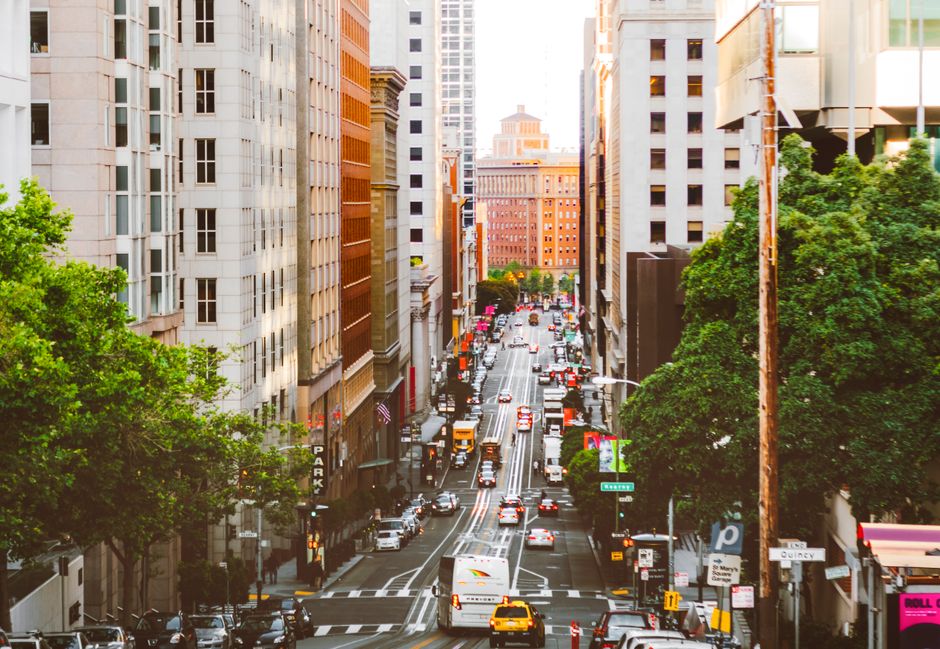
Thousands of property records held by San Francisco's Assessor-Recorder's Office contain duplicate or mismatched document images — the same scan filed twice, wrong pages attached to the wrong parcel, or outdated photos linked to current listings. The problem is not new, but pressure from a hyperactive real estate refinancing cycle and the city's ongoing push to digitize legacy paper files has brought it to a head in 2026.
The timing is significant. San Francisco's housing production emergency, declared under Mayor London Breed's administration and carried forward by her successor, has pushed thousands of units through the permitting and sale pipeline since 2024. Every duplicate image in the chain of title documentation can trigger delays at title insurance companies, force homeowners to pay for re-inspection visits, or stall escrow closings that are already running on tight deadlines. In a market where the median condo price in neighborhoods like the Mission District and SoMa has held above $900,000 through the first half of 2026, a two-week escrow delay can cost buyers their interest rate lock — and potentially thousands of dollars.
The Assessor-Recorder's Office digitization project, which accelerated in late 2023, converted more than 1.2 million pages of historic deed and permit documents into searchable PDFs. That scale created a deduplication problem: automated scanning systems sometimes captured the same page twice, or merged files incorrectly when documents shared a parcel identification number. The San Francisco Public Library's San Francisco History Center on Larkin Street, which holds parallel sets of historic property photographs used by researchers and appraisers, has flagged similar redundancy issues in its own digital archives, though its collections are separate from the city's legal record system.
Real estate attorneys working along Montgomery Street in the Financial District — where much of the city's title and escrow work gets processed — have begun advising clients to request a manual records review before opening escrow, rather than relying solely on the automated title search that most transactions historically depended on. That extra step typically adds $300 to $500 and three to five business days to a transaction, according to standard fee schedules published by local title firms. It is an avoidable cost for residents who should be able to trust that public records are clean.
The San Francisco County Transportation Authority and BART have faced analogous data-integrity headaches as both agencies migrated legacy GIS and ridership datasets to cloud platforms over the past 18 months. In each case, duplicate records created reporting errors that took months to resolve. The city's Department of Technology, headquartered on Grove Street near City Hall, has a standing data-governance framework meant to prevent exactly this kind of redundancy — but property records fall under the Assessor-Recorder's jurisdiction, which maintains its own digitization contract.
Homeowners in districts with older housing stock — the Richmond, the Sunset, Noe Valley, and Bernal Heights all have significant concentrations of pre-1950 properties — are most exposed, because their documents were among the last to be scanned and most likely to carry formatting errors from multiple prior conversion attempts. The Assessor-Recorder's public portal at sfassessor.org allows any resident to pull up their parcel's document history at no cost. If the same grant deed appears more than once with identical recording dates, or if an attached image opens to a blank or unrelated page, that is a signal worth raising with the office directly before any transaction begins.
The Assessor-Recorder's Office accepts written correction requests under California Government Code Section 27201, and turnaround on simple duplicate-image removals has run between 15 and 30 business days based on publicly available processing timelines. That window matters: with Fourth of July closures pushing many escrow offices to skeleton crews this week, any resident planning a fall sale should start a records check now rather than in September. Clean data is not a technical nicety. In San Francisco's market, it is a financial safeguard worth an afternoon's attention.
How does this story make you feel?
Spread the word
About this article
Published by The Daily San Francisco
Daily brief
Free, in your inbox before 7am. Weekdays.
More in News