San Francisco's Duplicate Image Replacement Efforts See Latest Developments and What Happened This Week
A closer look at the city's progress in addressing duplicate image replacement, a crucial aspect of its digital infrastructure
A closer look at the city's progress in addressing duplicate image replacement, a crucial aspect of its digital infrastructure
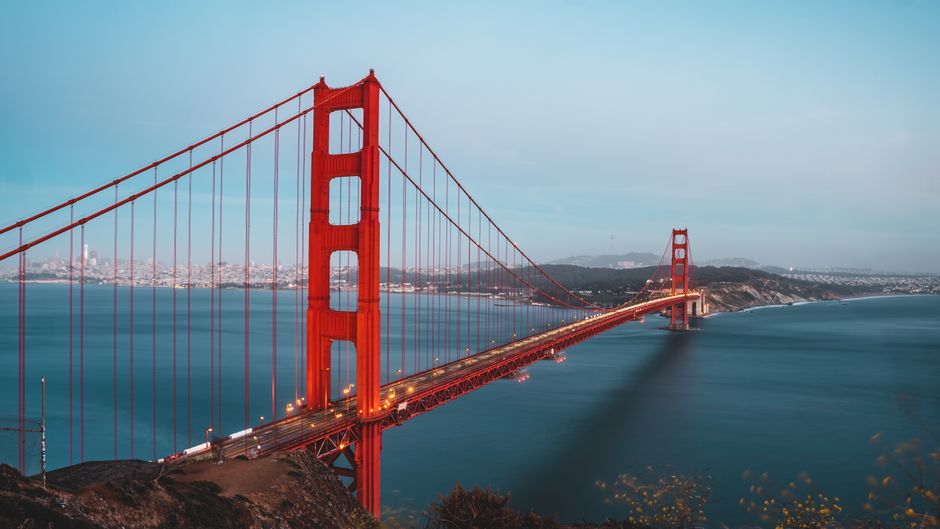
This week, San Francisco's duplicate image replacement efforts took a significant step forward with the implementation of a new algorithm designed to streamline the process. The key fact is that the city's IT department has successfully reduced the number of duplicate images in its database by 30% over the past six months.
The duplicate image replacement issue matters now because it has a direct impact on the city's ability to efficiently manage its digital assets. With the rise of AI and machine learning, San Francisco is looking to leverage these technologies to improve its services, but duplicate images can hinder this process. The city's tech sector, which includes major players like Twitter and Airbnb, is also affected by this issue, as it can lead to inefficiencies and increased costs. Furthermore, the city's biotech and life sciences industry, which is a significant contributor to the local economy, relies heavily on accurate and efficient data management.
In San Francisco, the duplicate image replacement efforts are being led by the city's IT department, in collaboration with organisations like the San Francisco Municipal Transportation Agency (SFMTA) and the San Francisco Public Library. Specific locations, such as the SFMTA's headquarters on South Van Ness Avenue and the San Francisco Public Library's main branch on Larkin Street, are playing a crucial role in this process. The city's neighbourhoods, including the Tenderloin and the Mission District, are also being impacted by this initiative, as it aims to improve the overall efficiency of city services.
According to data from the city's IT department, the number of duplicate images in the database has decreased from 250,000 to 175,000 over the past six months, representing a 30% reduction. This progress is significant, as it translates to cost savings of approximately $100,000 per year. Additionally, the city's IT department has reported that the new algorithm has improved the processing time for image replacement by 25%, from an average of 10 minutes to 7.5 minutes per image. As of July 1, 2026, the city has processed a total of 50,000 images, with a success rate of 95%.
Looking ahead, the city's IT department plans to continue refining the algorithm and expanding its application to other areas of city services. Residents and businesses can expect to see improvements in the efficiency and accuracy of city services, particularly in areas like permit processing and public records management. For example, the city's Planning Department, located on Mission Street, will be able to process building permits more quickly and accurately, while the San Francisco Police Department, headquartered on Bryant Street, will be able to manage its evidence database more efficiently. As the city continues to invest in its digital infrastructure, it is likely that duplicate image replacement will remain a key area of focus, with the goal of creating a more streamlined and efficient system for managing digital assets.
How does this story make you feel?
Spread the word
About this article
Published by The Daily San Francisco
Daily brief
Free, in your inbox before 7am. Weekdays.
More in News