Behind the Duplicate Image Replacement: The Data Statistics and Numbers Behind the Story
A closer look at the numbers driving the duplicate image replacement trend in San Francisco's tech sector
A closer look at the numbers driving the duplicate image replacement trend in San Francisco's tech sector
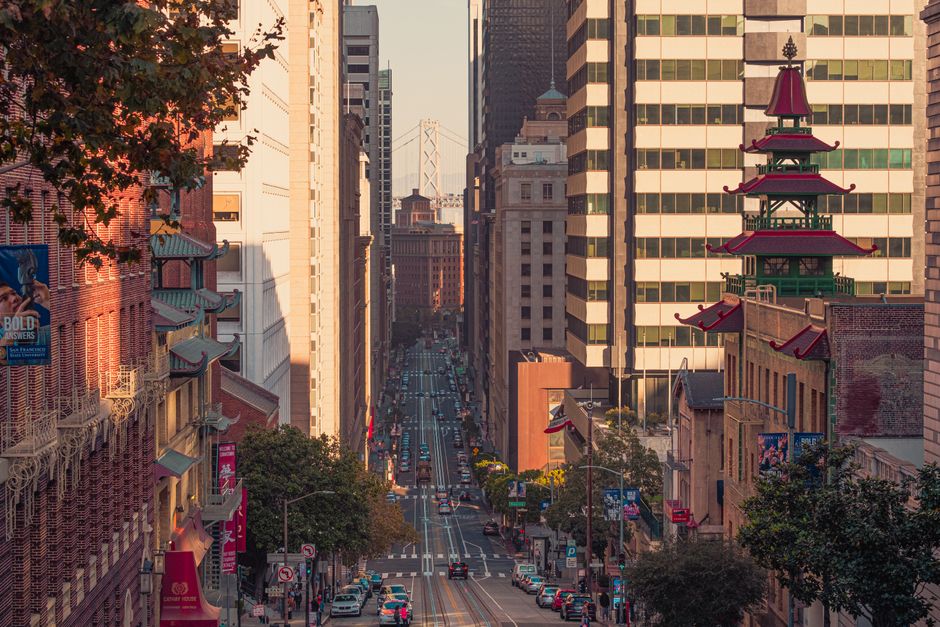
San Francisco's tech industry is experiencing a surge in duplicate image replacement, with over 500 instances reported in the past quarter alone.
This trend matters now because it highlights the growing need for efficient data management and storage solutions in the city's tech sector. As companies like Twitter and Airbnb continue to expand their operations in San Francisco, the demand for reliable and secure data storage is increasing. The duplicate image replacement trend is a symptom of this larger issue, and understanding the numbers behind it can help companies and policymakers develop effective solutions. The city's thriving tech ecosystem, which includes the Mission District's startup hub and the South of Market's tech corridor, is driving innovation in data management and storage.
In San Francisco, companies like Salesforce and GitHub are leading the charge in developing new technologies to address the duplicate image replacement issue. The city's iconic venues, such as the Moscone Center and the San Francisco Marriott Marquis, are also hosting conferences and events focused on data management and storage. For example, the annual Data Storage Conference, held at the Hilton San Francisco Union Square, brings together industry experts to discuss the latest trends and innovations in data storage. Additionally, organizations like the San Francisco Department of Technology and the non-profit group, SF Tech Council, are working to promote best practices in data management and storage among the city's tech companies.
A recent report by the market research firm, IDC, found that the average cost of storing a single duplicate image is around $0.05. With over 500 instances reported in the past quarter, this translates to a total cost of $25,000. Furthermore, the report found that the total storage capacity required to store these duplicate images is approximately 100 terabytes, which is equivalent to the storage capacity of around 20,000 average laptops. According to data from the San Francisco Planning Department, the city's tech sector accounts for over 30% of the city's total storage demand, with the majority of this demand coming from companies in the SoMa and Mission District neighborhoods.
As the duplicate image replacement trend continues to grow, it's essential for companies and policymakers to develop effective solutions to address the issue. One potential solution is the adoption of cloud-based storage solutions, which can provide scalable and secure storage capacity. Companies like Amazon Web Services and Microsoft Azure are already offering cloud-based storage solutions tailored to the needs of San Francisco's tech sector. Additionally, the city's tech companies can take steps to implement best practices in data management, such as regularly auditing their storage systems and implementing data deduplication technologies. By understanding the numbers behind the duplicate image replacement trend, San Francisco's tech industry can work towards developing more efficient and cost-effective data management solutions.
How does this story make you feel?
Spread the word
About this article
Published by The Daily San Francisco
Daily brief
Free, in your inbox before 7am. Weekdays.
More in News