San Francisco Purges Thousands of Duplicate Property Images From Records
A citywide push to clean up redundant and mis-tagged photos in SF's property assessment database is drawing comparisons to similar efforts in Amsterdam, Seoul, and Chicago.
A citywide push to clean up redundant and mis-tagged photos in SF's property assessment database is drawing comparisons to similar efforts in Amsterdam, Seoul, and Chicago.
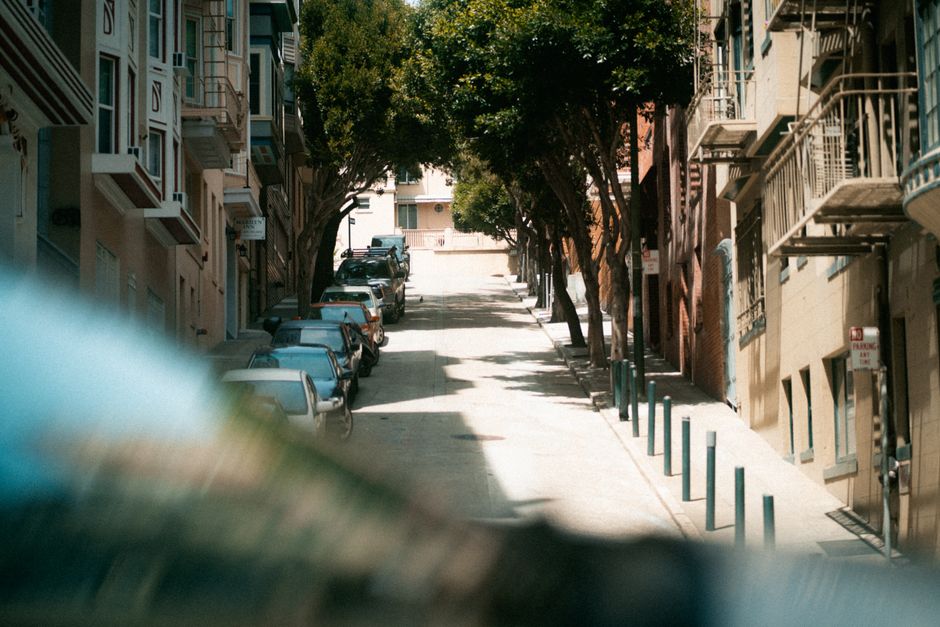
San Francisco's Office of Assessor-Recorder completed the first phase of its duplicate image removal project in June, scrubbing more than 47,000 redundant or misattributed photographs from the city's publicly accessible parcel database — a sprawling digital ledger that underpins everything from mortgage lending decisions to eviction defense filings in Housing Court on McAllister Street.
The cleanup matters because bad image data doesn't just clutter servers. Duplicate or wrong-parcel photos have delayed permit approvals at the Department of Building Inspection's Civic Center offices, muddied comparable-sales analysis for appraisers working the Mission and Sunset districts, and, in at least 11 documented cases since 2024, contributed to contested property tax assessments that required appeals hearings. With the city projecting a $780 million general fund deficit for fiscal year 2026–27, accurate assessment records translate directly into revenue.
The San Francisco effort benchmarks favorably against Chicago, which began a similar deduplication program through its Cook County Assessor's office in late 2024 but had cleared only about 30 percent of its flagged images by this past spring. Amsterdam's Kadaster land registry launched an AI-assisted image audit in January 2025 and has since removed roughly 62,000 duplicates across the Dutch national database — a larger absolute number, though the Netherlands is working across a single centralized system rather than the patchwork of county and municipal databases that American cities must navigate. Seoul's Smart City division completed a comparable sweep of its public property portal in March 2026, cutting load times on the city's GIS viewer by 18 percent and reducing data storage costs by an estimated $2.1 million annually.
San Francisco's Office of Assessor-Recorder partnered with the civic-tech nonprofit OpenSF Data Lab, based on Howard Street in SoMa, to build a machine-learning pipeline that flags visually near-identical images using perceptual hash comparisons. The tool, developed over roughly 14 months at a contract cost of $340,000, cross-references each image against parcel APN numbers and GPS metadata before any deletion occurs. A human reviewer at the Assessor's office signs off on every batch removal above 500 images.
The project also drew support from the San Francisco County Transportation Authority and the Planning Department, both of which use the same underlying parcel data to model infrastructure impacts and zoning overlays in neighborhoods like Tenderloin and Dogpatch. Planners say cleaner image records reduce manual correction time on corridor studies by roughly three hours per project — small on its own, but meaningful across dozens of active environmental reviews.
Phase two, scheduled to begin in September 2026, will tackle commercial properties in the Financial District and SoMa, where rapid building renovations and tenant turnover have left the database particularly cluttered. The Assessor's office estimates another 22,000 images require review in that tranche alone.
Other cities are watching. London's Valuation Office Agency has been in contact with OpenSF Data Lab about licensing the hashing pipeline for use in England's council tax assessment system, according to procurement documents filed with the City Controller's office in May. Berlin's Senatsverwaltung für Stadtentwicklung sent a delegation to San Francisco in April to observe the workflow firsthand.
For residents, the practical upshot is faster turnaround on permit lookups through SF's property information map at sfplanninggis.org — a tool that logged 1.4 million user sessions in 2025. Property owners challenging assessments through the Assessment Appeals Board at City Hall can also expect fewer cases where hearing officers must pause to reconcile conflicting photographic evidence. The board processed 3,200 appeals in fiscal year 2025; staff estimate accurate imaging could shave two to three weeks off average resolution times.
The full project is budgeted at $610,000 through June 2027. Whether the second phase stays on schedule depends partly on how the city navigates the broader budget cuts expected when the Board of Supervisors votes on appropriations later this month.
How does this story make you feel?
Spread the word
About this article
Published by The Daily San Francisco
Daily brief
Free, in your inbox before 7am. Weekdays.
More in News