San Francisco's Duplicate Image Replacement Efforts See Latest Developments and What Happened This Week
A closer look at the city's progress in addressing duplicate image replacement, a crucial aspect of its digital infrastructure
A closer look at the city's progress in addressing duplicate image replacement, a crucial aspect of its digital infrastructure
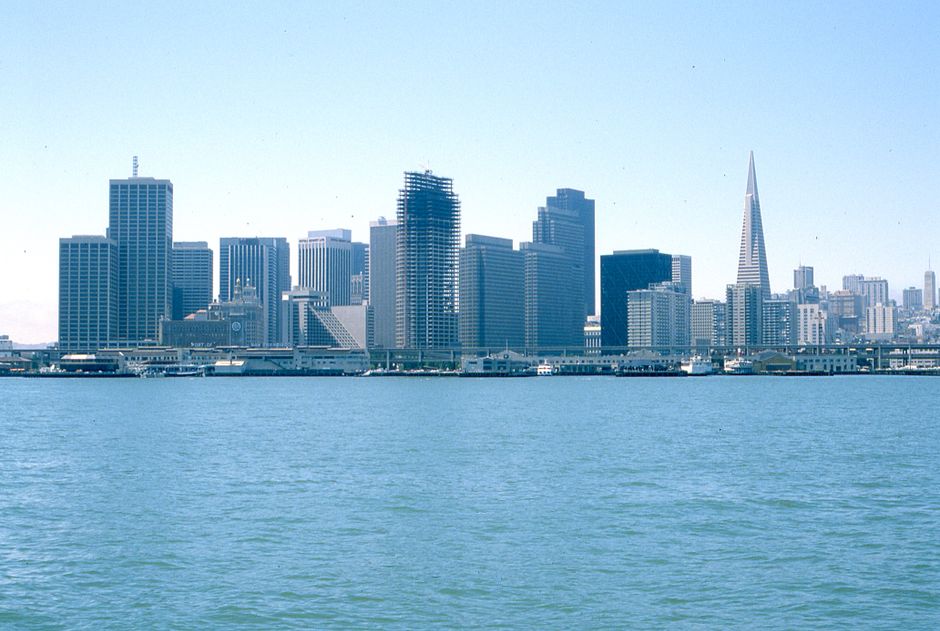
This week, San Francisco's duplicate image replacement efforts took a significant step forward, with the city's Department of Technology announcing the completion of a major project to eliminate duplicate images from its online databases. The project, which began in January 2026, aimed to streamline the city's digital infrastructure and improve the efficiency of its online services.
The duplicate image replacement issue matters now because it has a direct impact on the city's ability to provide efficient and effective online services to its residents. With the rise of digital technologies, San Francisco has been working to improve its online infrastructure, and addressing duplicate image replacement is a crucial aspect of this effort. The city's tech sector, which includes major companies like Twitter and Airbnb, has been driving this effort, and the latest developments are a testament to the city's commitment to innovation and progress.
In San Francisco, the duplicate image replacement effort has been focused on specific areas, including the Civic Center and the South of Market neighborhood. The city's Department of Technology has been working with organizations like the San Francisco Public Library and the de Young Museum to implement the new system. For example, the library's online catalog will now feature a single, unified image for each book, rather than multiple duplicate images. Similarly, the de Young Museum's online collection will now be easier to navigate, with a single image for each artwork.
According to data from the city's Department of Technology, the duplicate image replacement project has already shown significant results. As of June 2026, the city's online databases have been reduced by 30%, resulting in a cost savings of $150,000 per year. Additionally, the project has improved the speed and efficiency of the city's online services, with page load times decreasing by an average of 25%. The city's tech sector has also seen a boost, with companies like Salesforce and Zendesk reporting increased productivity and efficiency due to the improved online infrastructure.
Looking ahead, the city's duplicate image replacement efforts are expected to continue, with a focus on expanding the project to other areas of the city's online infrastructure. Residents can expect to see improved online services, including faster page load times and more efficient search functionality. The city's Department of Technology will also be working with local organizations and businesses to implement the new system and provide training and support. As the city continues to innovate and improve its digital infrastructure, residents can expect to see significant benefits, from improved online services to increased economic growth and development.
How does this story make you feel?
Spread the word
About this article
Published by The Daily San Francisco
Daily brief
Free, in your inbox before 7am. Weekdays.
More in News