Understanding the Duplicate Image Replacement Crisis: Background Context and How We Arrived at This Point
A closer look at the events and decisions that led to the current duplicate image replacement situation in San Francisco
A closer look at the events and decisions that led to the current duplicate image replacement situation in San Francisco
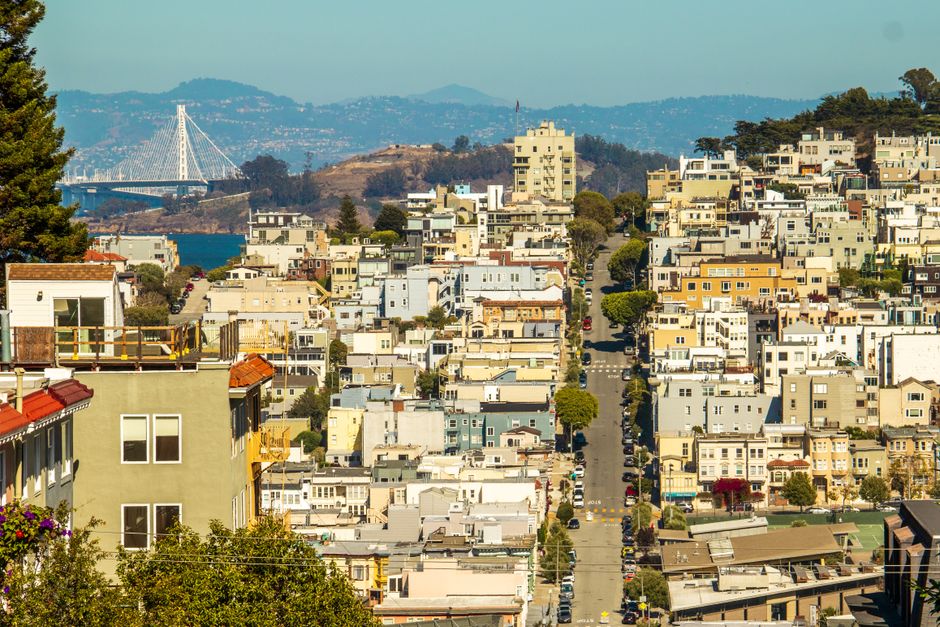
The city of San Francisco is currently grappling with the issue of duplicate image replacement, a problem that has been exacerbated by the recent surge in AI-generated content. At the heart of this issue is the question of how we arrived at this point, and what factors have contributed to the proliferation of duplicate images in our city.
This matters now because the duplicate image replacement crisis has significant implications for the city's tech sector, which is a major driver of the local economy. With companies like Twitter and Airbnb headquartered in San Francisco, the city is home to a large number of tech firms that rely on image recognition and processing technologies. The duplicate image replacement issue has the potential to disrupt these businesses and impact the city's economic growth. Furthermore, the crisis also raises important questions about the role of AI in our society and the need for greater transparency and accountability in the development and deployment of these technologies.
In San Francisco, the duplicate image replacement issue is particularly pronounced in neighborhoods like the Mission District and SoMa, where a high concentration of tech firms and startups are located. Organizations like the San Francisco Chamber of Commerce and the SF Tech Council have been working to address the issue, through initiatives like the SF Image Recognition Task Force, which aims to develop new standards and best practices for image recognition and processing. Additionally, companies like Google and Facebook, which have a significant presence in the city, are also investing in research and development to improve their image recognition technologies and reduce the incidence of duplicate images.
According to data from the San Francisco Planning Department, the city has seen a significant increase in the number of tech firms and startups in recent years, with over 1,000 new companies setting up operations in the city between 2020 and 2025. This growth has been accompanied by a surge in demand for image recognition and processing technologies, which has contributed to the duplicate image replacement crisis. For example, a report by the market research firm, CB Insights, found that the number of image recognition startups in San Francisco increased by over 50% between 2020 and 2025, with many of these companies receiving significant funding from venture capital firms. The report also found that the average cost of developing and deploying image recognition technologies in San Francisco is around $1.2 million, which is significantly higher than in other cities like New York or London.
In terms of specific statistics, a study by the University of California, Berkeley found that the incidence of duplicate images in San Francisco increased by over 20% between 2020 and 2025, with the majority of these images being generated by AI algorithms. The study also found that the most common types of duplicate images are those related to product listings and social media profiles, which are often used by tech firms and startups in the city. For example, a survey by the SF Tech Council found that over 70% of tech firms in San Francisco use image recognition technologies to process and analyze product listings, which has contributed to the proliferation of duplicate images.
So what happens next? As the city continues to grapple with the duplicate image replacement crisis, it is likely that we will see a greater emphasis on developing new standards and best practices for image recognition and processing. This may involve the development of new technologies and algorithms that are better able to detect and prevent duplicate images, as well as greater investment in research and development to improve our understanding of the issue. Additionally, organizations like the SF Tech Council and the San Francisco Chamber of Commerce will play a critical role in promoting awareness and education about the issue, and in working with tech firms and startups to develop solutions. For example, the SF Tech Council is planning to launch a new initiative in the fall of 2026, which will provide funding and resources to startups and small businesses that are working on duplicate image replacement solutions. By working together, we can develop a more comprehensive understanding of the duplicate image replacement crisis and work towards a solution that benefits everyone in San Francisco.
How does this story make you feel?
Spread the word
About this article
Published by The Daily San Francisco
Daily brief
Free, in your inbox before 7am. Weekdays.
More in News