news
Mission District Garden Expands as Rising Rents Force Out Founding Families
A community garden on 24th Street is doubling its plots this fall, but the families who built it may not be around to harvest them.
How we reported this
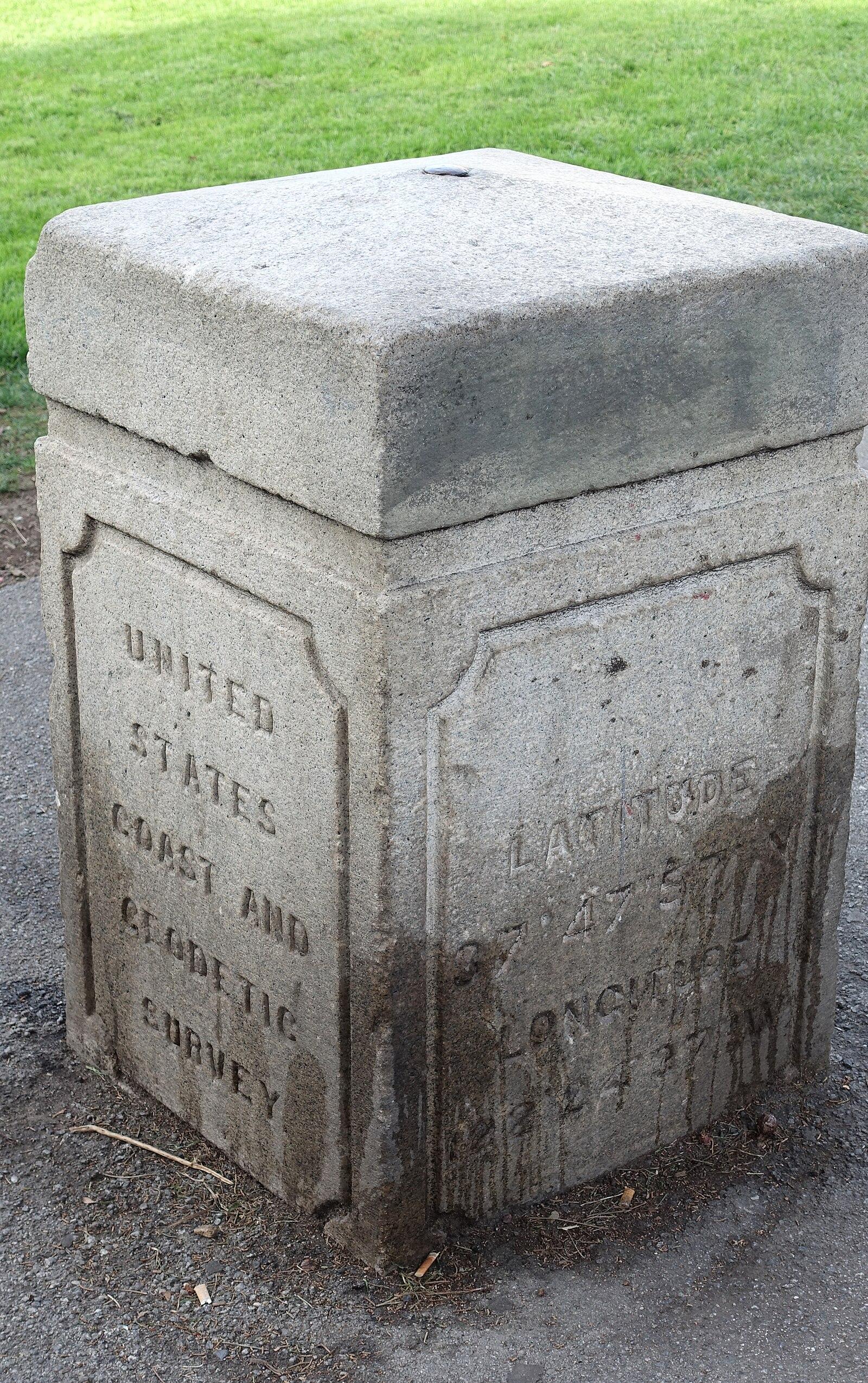
The Bernal Flats Community Garden on 24th Street secured city approval last month to expand from 38 plots to 74, a two-year organizing effort by the nonprofit La Familia Community Center that drew more than 200 residents to planning meetings. The expansion breaks ground in September. But the gardeners who pushed for it are fighting a separate battle: median rents in the Mission District hit $3,850 for a one-bedroom in June, according to Zumper's July 2026 index, and displacement is accelerating faster than dirt beds can be dug.
The timing matters because San Francisco's Housing Production Emergency Ordinance, passed by the Board of Supervisors in March 2026, is now unlocking new development corridors along Mission Street between 16th and Cesar Chavez. Three mixed-use projects have cleared environmental review since April. Community advocates say the garden expansion and the rent crisis are not separate stories. They are the same story about who gets to stay.
Two Institutions, One Pressure
La Familia Community Center, headquartered on 22nd Street near Valencia, has run the garden since 2019 as part of its food security program. It distributes surplus produce through the Arriba Juntos employment and wellness hub on Mission Street, roughly 1,400 pounds of vegetables last year alone. Both organizations serve predominantly Latino households, many of them renters in buildings that have cycled through Ellis Act evictions and owner move-in notices at a pace that picked up sharply after the pandemic.
The Mission Economic Development Agency tracked 47 no-fault eviction notices filed in the 94110 zip code during the first five months of 2026, up from 31 in the same period last year. Several of those households have active gardening memberships, according to La Familia's program coordinator. The garden itself sits on land leased from the San Francisco Recreation and Parks Department through 2031. That lease is secure. The renters are not.
District 9 Supervisor Alma Fuentes has called for a community convening in August to link the garden expansion planning with anti-displacement tools available under the city's Small Sites Program, which has acquired 40 rent-controlled buildings citywide since 2014. The Mission has received the largest share of those acquisitions, 14 buildings, preserving 178 units, but advocates say funding has stalled and the pipeline of properties available at below-market purchase prices is narrowing as interest rates keep acquisition costs high.
The Decisions Coming This Fall
Three choices will largely determine what the Mission looks like by 2028. First, the Mayor's Office of Housing and Community Development is expected to release its next Small Sites Program funding round in October. Whether it targets $8 million or the $15 million that community groups have formally requested will signal how serious City Hall is about holding the line on displacement.
Second, the Planning Commission votes in November on two of the three Housing Production Emergency projects on the Mission corridor. Both proposals include below-market-rate units, one at 15 percent, one at 20 percent, but neither hits the 25 percent threshold that the Mission Community Land Trust has argued is necessary to offset market-rate pressure on nearby blocks.
Third, La Familia itself must decide whether to expand its garden membership waitlist, currently 63 households long, or hold enrollment until it knows how many of its existing members will still be living within a 10-minute walk of 24th Street by next spring. Program staff say they are modeling both scenarios.
The garden's September groundbreaking will happen regardless. New raised beds will go in along the Cortland Avenue border of the lot, and the Recreation and Parks Department has committed $120,000 in capital funding for irrigation upgrades. What remains genuinely unresolved is whether the community gathering around those beds will look anything like the one that planted the first seeds seven years ago. The Board of Supervisors' budget hearings resume July 14, and advocates plan to make that question unavoidable.