SF's 2030 Carbon Plan Gets a Brutal Mid-Course Correction This Week
A new city audit released Thursday found San Francisco's flagship climate program is tracking at roughly half the emissions reduction rate needed to hit its own 2030 deadline.
A new city audit released Thursday found San Francisco's flagship climate program is tracking at roughly half the emissions reduction rate needed to hit its own 2030 deadline.
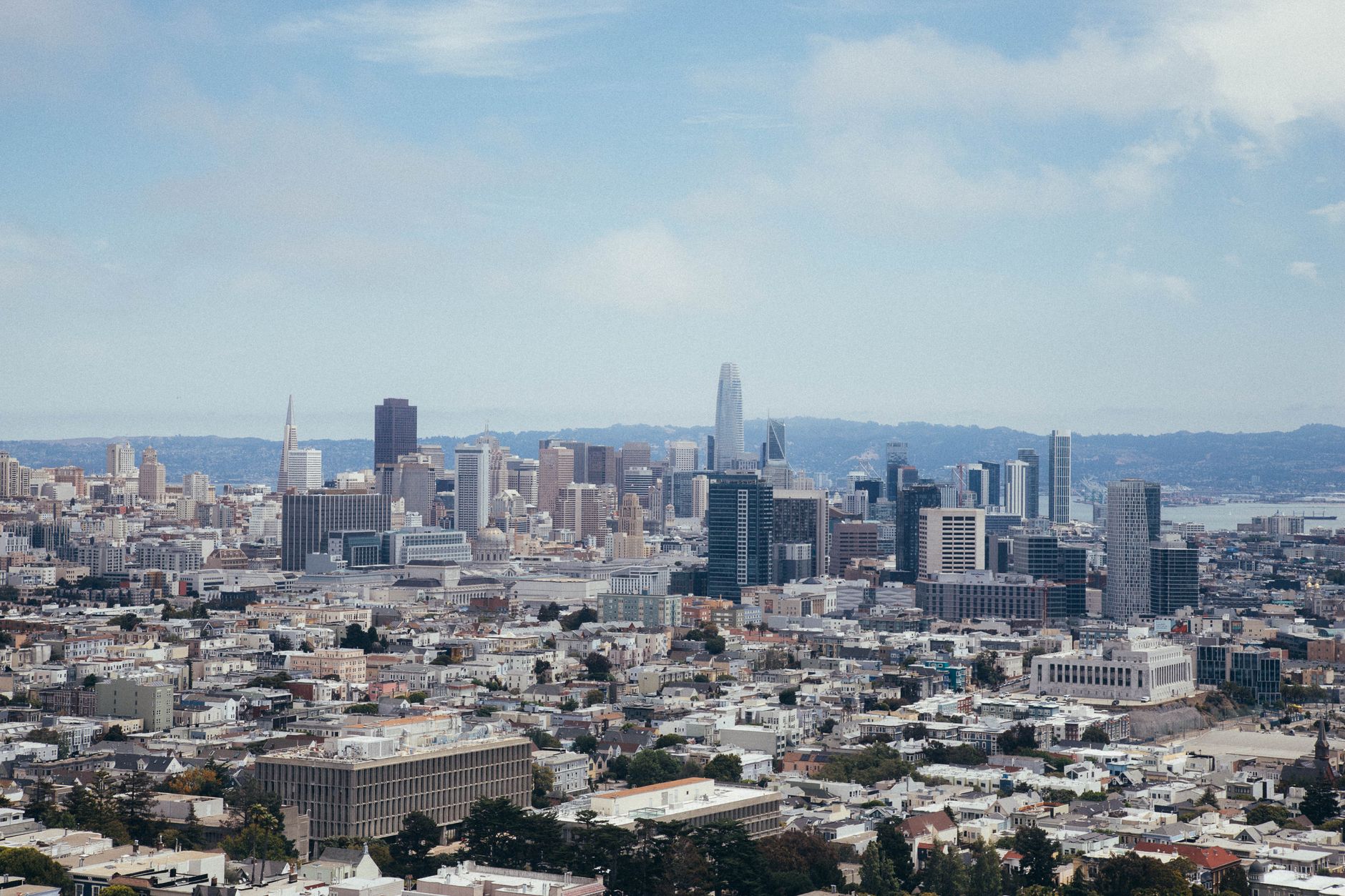
San Francisco's Office of the Controller dropped a 94-page performance audit Thursday that functionally blew up the comfortable narrative City Hall has been telling about its Climate Action Plan. The report, covering fiscal year 2024–25, found the city has reduced economy-wide greenhouse gas emissions by approximately 22 percent below 2017 baseline levels — meaningful progress, but barely half the 40 percent reduction required under the plan's own 2030 milestone. With four years left on the clock, the gap is widening, not closing.
The timing matters. San Francisco adopted the updated Climate Action Plan in September 2021 with considerable fanfare at City Hall, pledging net-zero emissions by 2040 and setting aggressive interim benchmarks. Since then, two things have happened that complicate everything: the post-pandemic tech sector whiplash reshaped commuting patterns and office energy demand in ways planners didn't fully model, and the AI infrastructure boom has reversed expected electricity load reductions in SoMa and the Mission Bay biotech corridor. Data centers and high-performance computing facilities have quietly become among the city's fastest-growing electricity consumers.
Buildings remain San Francisco's single largest emissions source, responsible for 44 percent of total citywide greenhouse gases according to the audit. The Department of Building Inspection logged 1,847 permits in fiscal 2024–25 for all-electric upgrades under the city's mandatory gas appliance phase-out ordinance — well below the roughly 4,200 annual conversions analysts say are needed. The Potrero Hill and Bayview neighborhoods, both flagged as environmental justice priority zones, had the lowest conversion rates despite having some of the oldest residential stock in the city. PG&E's electrical upgrade backlog in those districts — stretching to an estimated 18 months in some cases — is bearing much of the blame.
Transportation is the second major problem area. BART ridership at the Civic Center and 16th Street Mission stations has recovered to about 71 percent of pre-pandemic levels as of May 2026, but Muni bus electrification has stalled. The San Francisco Municipal Transportation Agency completed delivery of 65 new battery-electric buses from New Flyer Industries this spring, bringing the electric bus fleet to 193 vehicles out of a total fleet of roughly 780. At that pace, full electrification won't happen until 2034 — four years past the plan's own transport decarbonization target.
The Department of the Environment, which manages plan implementation from its offices on Geary Boulevard, said Thursday it would present a formal corrective strategy to the Board of Supervisors' Land Use Committee by September 9. That strategy is expected to center on three levers: accelerating the SF Better Buildings Program to compel larger commercial landlords in the Financial District to hit electrification timelines, pushing PG&E harder on grid upgrade timelines in environmental justice neighborhoods, and exploring a new municipal green tariff that would fund building retrofits through property assessments.
The Controller's audit recommended the city consider revising its 2030 interim target downward rather than risk what it called "compliance theater" — hitting paper benchmarks through accounting shifts like renewable energy certificate purchases rather than actual emissions cuts. That recommendation landed like a grenade in the Department of the Environment. Advocates from the Sierra Club's San Francisco Bay Chapter, who have been monitoring the plan since its adoption, told the Controller's office in written comments that weakening any target would set a damaging precedent ahead of California's own statewide 2030 reckoning under AB 32's successor framework.
For residents, the practical near-term reality is this: the city's rebate program for heat pump water heaters and induction stoves — administered through the SF Climate Hub on Market Street — currently has a 90-day wait for appointments. Anyone looking to get a conversion done before the end of the 2026 fiscal year on June 30, 2027, should get on the wait list now. The rebates, which currently cover up to $4,000 for qualifying low-income households, are funded through a state allocation that comes up for renewal in January.
How does this story make you feel?
Spread the word
About this article
Published by The Daily San Francisco
Daily brief
Free, in your inbox before 7am. Weekdays.
More in News


