'We Don't Want Charity. We Want a Door': SF Immigrants Speak Out on the Housing Crisis
From the Tenderloin to the Excelsior, immigrant families are describing a system that processes paperwork but rarely delivers shelter.
From the Tenderloin to the Excelsior, immigrant families are describing a system that processes paperwork but rarely delivers shelter.
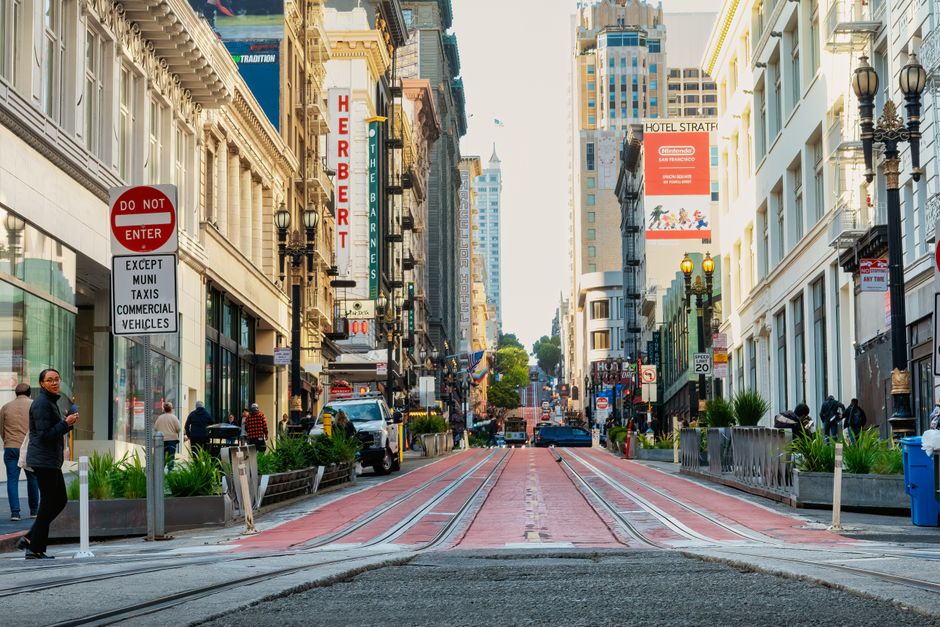
San Francisco's immigrant housing crisis is accelerating faster than the city's integration programs can absorb it. According to data compiled by the Human Services Agency this spring, more than 4,200 newly arrived immigrant adults are currently on some form of transitional housing waitlist — a number that has grown by roughly 30 percent since January 2025, driven in part by a surge in arrivals from Central America, Venezuela, and West Africa following route shifts through the Darién Gap.
The timing matters. City Hall is locked in a budget fight over the Mayor's Office of Housing and Community Development's FY2027 allocation, with Supervisor Preston's office pushing for $18 million in dedicated immigrant integration funding and the Mayor's budget team countering with $11.4 million. A vote is scheduled for July 15. Meanwhile, the people waiting for a resolution are not abstractions — they are sleeping four to a room in the Tenderloin, doubling up in the Excelsior District, and lining the benches outside the Department of Homelessness and Supportive Housing's Bryant Street intake office on weekday mornings.
A Guatemalan woman who arrived in San Francisco eighteen months ago described spending eleven weeks in a Mission District shelter run by Catholic Charities before being placed in a single-room-occupancy unit on Turk Street. The unit cost $1,650 a month under a city-subsidized voucher. When the subsidy lapsed after ninety days — a known cliff in the Emergency Housing Voucher program — she could not cover the rent on her part-time restaurant job and was back on the waitlist within a week. Her story is not unusual. Case managers at the Tenderloin Neighborhood Development Corporation say the voucher cliff is the single most common reason clients cycle back into the system.
A Salvadoran father of two, who works a split shift cleaning offices in SoMa, said he had been on the city's affordable housing lottery through DAHLIA — the SF Housing Portal — for fourteen months without a placement. He described getting 147th preference on one lottery for a two-bedroom in the Excelsior. "I see the number go down by maybe two or three every month," he said through an interpreter at a community meeting organized by Mission Economic Development Agency. "My kids are sharing a bed in my cousin's apartment on Geneva Avenue. That's not a home."
The broader math is punishing. San Francisco's median rent for a two-bedroom apartment hit $3,480 per month in May 2026, according to Zillow's regional index — down slightly from its 2022 peak but still the second-highest among major U.S. cities behind Manhattan. For a family earning minimum wage at $18.67 an hour under California's current floor, a two-bedroom unit consumes roughly 130 percent of take-home income before groceries, transit, or childcare.
The Office of Civic Innovation piloted a Navigator Program in 2025 that pairs newly arrived immigrants with a case manager for up to six months. So far the program has served 812 households, according to a March progress report. But enrollment has been capped by staffing, and advocates at the Causa Justa :: Just Cause legal clinic on 16th Street say clients are waiting up to eight weeks just to be assigned a Navigator. The Immigrant Rights Commission voted in June to formally request the city expand the program to at least 2,000 households before the end of the fiscal year.
State resources add a layer of complexity. California's Migrant Housing and Integration Program, funded through AB 2119, released $42 million statewide in 2025, but San Francisco received only $3.1 million of that — a figure advocates call disproportionately low given the city's concentration of immigrant arrivals and its cost structure.
The July 15 budget vote will be the clearest near-term signal of where the city's priorities actually land. Community members who want to weigh in can submit public comment through the Board of Supervisors Budget and Finance Committee website or attend in person at City Hall's Room 250. The Mission Economic Development Agency is organizing a shuttle from 24th and Mission BART for the morning session.
How does this story make you feel?
Spread the word
About this article
Published by The Daily San Francisco
Daily brief
Free, in your inbox before 7am. Weekdays.
More in News


