SF's 2030 Climate Targets Are Within Reach — But Only If the City Moves Fast
Four years out from a self-imposed deadline, San Francisco faces a narrow window to make its climate promises mean something for the people who live here.
Four years out from a self-imposed deadline, San Francisco faces a narrow window to make its climate promises mean something for the people who live here.
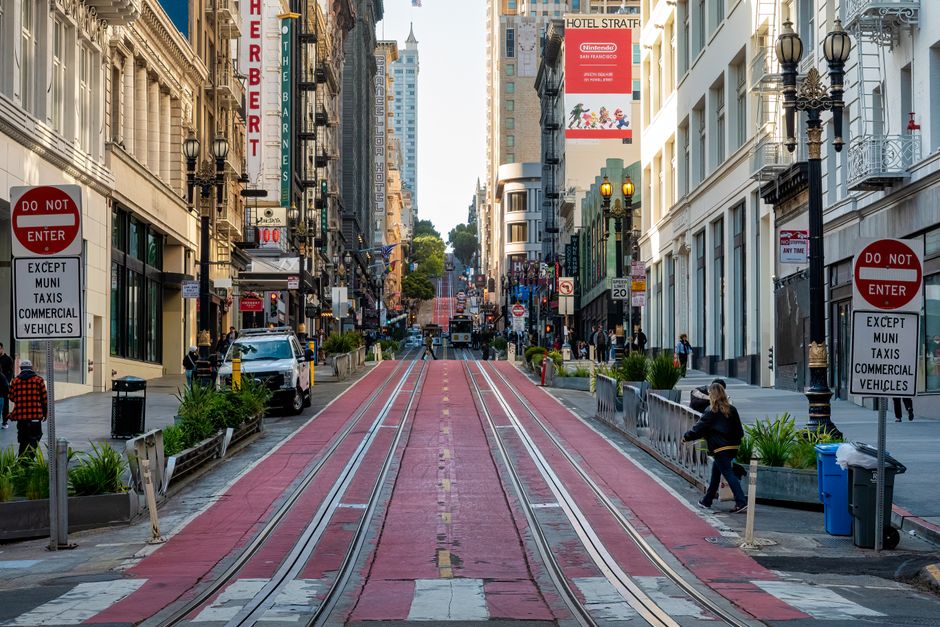
San Francisco must cut greenhouse gas emissions to 61 percent below 1990 levels by 2030 — and with exactly 1,276 days left on the clock, a city-commissioned progress report circulated last month shows the municipality tracking at roughly 48 percent below that baseline. The gap is not insurmountable. But it will not close on its own.
The timing matters for reasons beyond arithmetic. Europe is burying more than 2,000 heat-related deaths from a single summer wave, and the Bay Area's own warming trend — three of the last four summers broke local temperature records — has started reshaping daily life in ways that hit lower-income neighborhoods hardest. The city's Climate Action Plan, first adopted in 2021 and updated in 2024, commits San Francisco to specific sectoral targets: zero-emissions transportation, fossil-fuel-free buildings, and landfill diversion of 95 percent by the decade's end. Each of those translates directly into rent bills, Muni ride times, and air quality in places like Bayview-Hunters Point and the Tenderloin, where residents have the fewest options to adapt on their own.
Buildings are the single largest source of local emissions, responsible for about 44 percent of San Francisco's carbon footprint according to the Department of the Environment's 2024 inventory. The city's All-Electric Reach Code, which bars natural gas hookups in new construction, took effect in 2020. The harder problem is the existing stock — roughly 200,000 residential units still served by gas lines. The SF Environment Department's Climate Equity Fund has allocated $8 million for the current fiscal year to help low- and moderate-income households electrify appliances, but program administrators acknowledge the waitlist already exceeds 3,400 applicants. At the current pace of disbursement, the fund would take more than two years just to clear the backlog without accepting new applications.
Transportation is the second front. SFMTA's own data shows Muni operating at about 82 percent of pre-pandemic service hours as of June 2026, a number that climate advocates say directly suppresses ridership and keeps more cars on the road. The agency's Zero-Emission Bus Rollout — 117 electric buses ordered from Proterra's successor consortium, scheduled for delivery through 2028 — is on track, but electrifying the fleet is only useful if the routes are frequent enough for commuters along corridors like Geary Boulevard and the 14-Mission line to actually leave their cars behind.
Bayview-Hunters Point sits at the intersection of nearly every climate equity variable: a legacy of industrial pollution from the former Hunters Point Naval Shipyard, higher asthma hospitalization rates than the citywide average, and limited tree canopy compared to neighborhoods like West Portal or Cole Valley. The Southeast Community Center on Cesar Chavez Street has become a de facto hub for heat preparedness, offering cooling resources and air quality monitoring referrals. The nonprofit Brightline Defense, which works on environmental justice in the southeastern neighborhoods, has pushed for a dedicated community resilience budget line in the 2026-27 appropriations process — something the Board of Supervisors is expected to vote on before the end of August.
For residents across the city, the practical stakes are concrete. PG&E's average residential electric rate climbed to 37 cents per kilowatt-hour in January 2026, making the economics of home electrification a genuine hardship calculation even for middle-income households. The city's partnership with SF Public Utilities Commission on community solar — allowing renters to subscribe to shared solar capacity without rooftop access — enrolled its 10,000th customer in May, a milestone that took five years to reach.
The path to 2030 runs through decisions made this fall. The mayor's budget, the SFMTA service plan due in September, and a ballot measure on building electrification financing expected in November will together determine whether the 13-point emissions gap narrows or widens. Residents can track the city's progress through the SF Environment Department's public dashboard, comment on the SFMTA service plan during hearings at City Hall starting August 12, and apply for electrification rebates through the Climate Equity Fund portal before the next enrollment window closes September 30.
How does this story make you feel?
Spread the word
About this article
Published by The Daily San Francisco
Daily brief
Free, in your inbox before 7am. Weekdays.
More in News


