SF Approves Mission Plaza Redesign While Sunset District Blocks New Housing
Planning commissioners and neighborhood advocates are sharply divided as the city tries to square a showpiece public space upgrade against an accelerating housing emergency.
Planning commissioners and neighborhood advocates are sharply divided as the city tries to square a showpiece public space upgrade against an accelerating housing emergency.
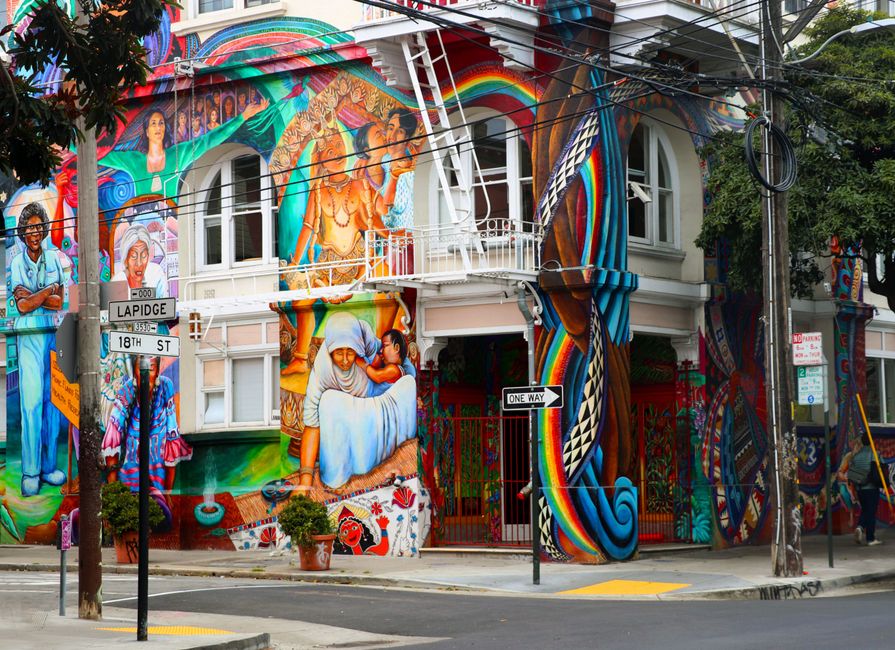
San Francisco's Planning Commission voted 5-2 Thursday to approve a $34 million redesign of the 16th Street BART Plaza in the Mission District, clearing the way for new paving, trees, and a permanent shelter canopy along one of the city's most trafficked transit nodes. The same week, residents in the Sunset District successfully challenged a proposed 47-unit apartment building on Irving Street, forcing a 90-day environmental review that housing advocates say effectively kills the project's financing timeline.
The twin decisions landed during a particularly fraught stretch for Mayor Daniel Lurie, who took office in January promising to treat housing production as an emergency. The city is legally bound by state law — specifically, the Housing Element certified by Sacramento in 2023 — to permit 82,069 new units by 2031. As of June 30, San Francisco had approved roughly 6,400 units against that target, according to figures from the Department of Building Inspection. Time is compressing fast.
The plaza redesign, managed by the San Francisco Municipal Transportation Agency in coordination with BART and the Mayor's Office of Economic and Workforce Development, has been in planning since 2021. Supporters argue the overhaul of the 16th and Mission Street intersection will reduce the encampments and open drug use that have made the space hostile for the roughly 18,000 daily BART riders passing through. The project includes widened sidewalks, 22 new trees, improved lighting, and a community programming pavilion the MOEWD says will anchor weekend markets and cultural events.
Planning Commissioner Rachael Tanner, one of the two dissenting votes, raised concerns that the commission was rubber-stamping an amenity investment while failing to address the underlying housing density around the plaza. Her argument resonated with a cluster of Mission housing advocates from TODCO and the Council of Community Housing Organizations, who testified that beautification without accompanying density would simply displace unhoused residents southward toward Cesar Chavez Street rather than solving anything structurally. BART's own station area plan calls for up to 4,500 units within a half-mile of 16th Street BART by 2035, but not a single shovel has broken ground on any of those projects.
The Irving Street project tells a different story. The proposed building, backed by a small development partnership called Avanza Housing Group, would have replaced a surface parking lot between 7th and 8th Avenues with 47 apartments, four of them deed-restricted affordable at 80 percent of Area Median Income. Neighbors organized under the Inner Sunset Neighborhood Association filed a discretionary review request citing traffic impacts and shadow effects on adjacent properties.
San Francisco's median rent for a one-bedroom apartment reached $3,040 in June, according to Zillow's market tracker — down slightly from the pandemic-era peak but still among the five highest in the country. The Regional Housing Needs Allocation process gives the city no credit for units blocked at the neighborhood level; state housing officials can and do withhold permitting authority from jurisdictions that fall chronically short. San Francisco lost builder's remedy protections briefly in 2024 before scrambling to reinstate its Housing Element compliance.
Housing advocacy group YIMBY Action called the Sunset challenge "exactly the kind of local veto that state law was designed to eliminate" and said it planned to file a letter with the California Department of Housing and Community Development flagging the case. The San Francisco Housing Accelerator Fund, which had committed $2.1 million in predevelopment financing to the Avanza project, is now reviewing its options, a person familiar with the fund's position said.
The Planning Department is expected to release its quarterly housing production report by July 15. That document will show whether the city is on pace to meet its 2026 milestones under the Housing Element or whether Sacramento will once again have grounds to intervene. Lurie's office did not respond to requests for comment Thursday, but his housing deputy told the SF Chronicle earlier this week that the administration was monitoring "every discretionary review challenge filed against compliant projects" and would not rule out state-level referrals. For Avanza, the 90-day clock starts now.
How does this story make you feel?
Spread the word
About this article
Published by The Daily San Francisco
Daily brief
Free, in your inbox before 7am. Weekdays.
More in News


