news
San Francisco's Bond Programs Combat Loneliness While Global Cities Fall Behind
As isolation becomes a global public health emergency, the city's community bonding initiatives are drawing scrutiny-and cautious envy-from urban planners abroad.
How we reported this
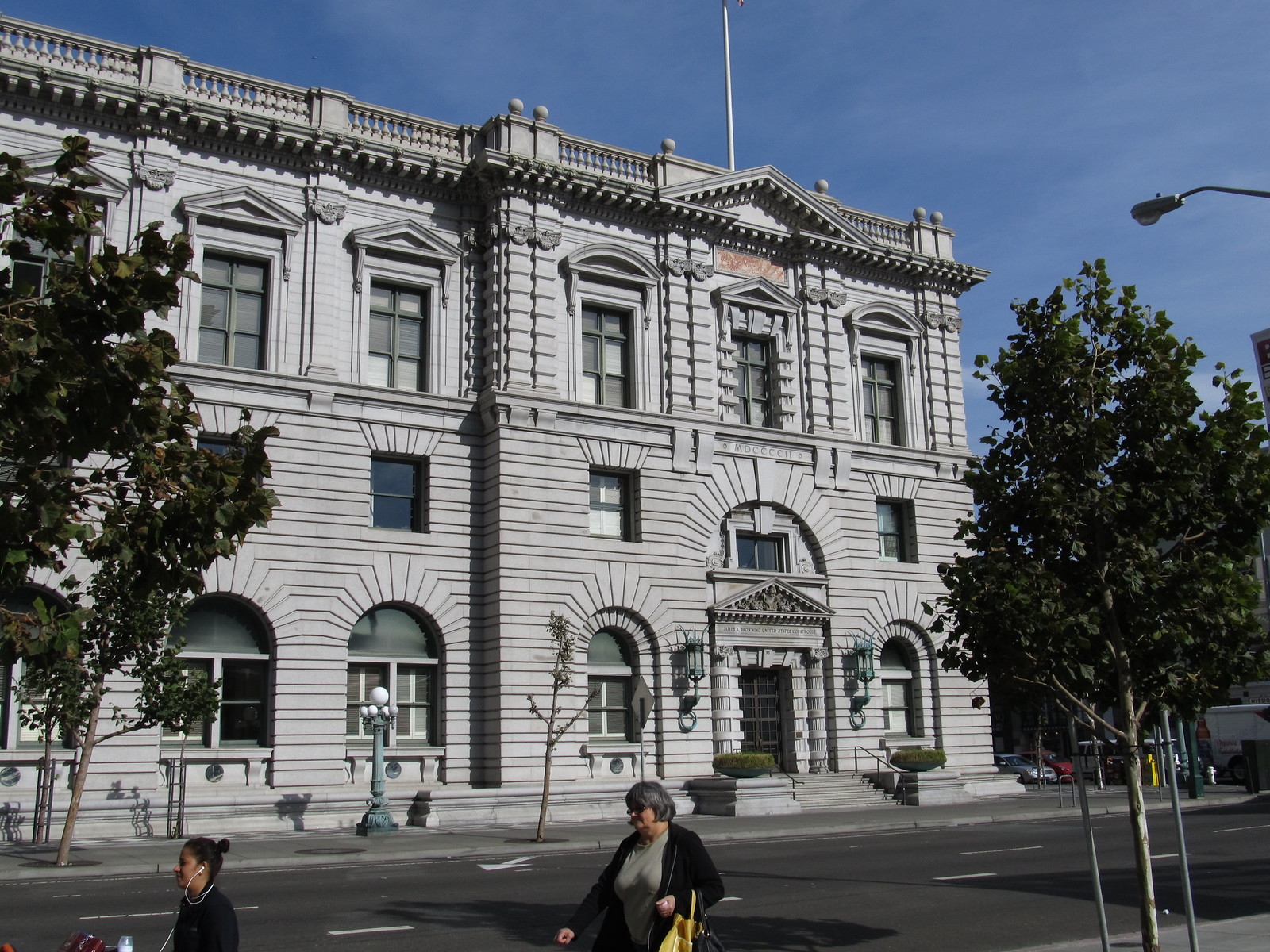
San Francisco allocated $14.2 million through its Community Resilience and Social Connection Bond Program in March 2026, funding 47 neighborhood-level projects aimed at reversing what city health officials now classify as a chronic isolation crisis. The money flows from Proposition H, passed by voters in November 2024, and it represents the most concentrated municipal investment in social bonding infrastructure the city has attempted since the post-pandemic recovery funds dried up in 2023.
The timing is not accidental. Europe is reeling from a brutal summer-France alone recorded more than 2,000 excess deaths during the recent heatwave peak, with elderly people living alone accounting for a disproportionate share of the toll. In Russia, internal economic strain is accelerating urban fragmentation. Iran is entering a period of deep political uncertainty following the death of its Supreme Leader. Against that backdrop of global social fraying, cities from London to Seoul are scrambling to answer a question San Francisco has been wrestling with for years: how do you rebuild human connection when your residents are broke, burned out, and suspicious of institutions?
What the Money Is Actually Buying on the Ground
In the Tenderloin, the Faithful Fools Street Ministry on Turk Street received $380,000 to expand its weekly community meals program from three nights to six and add a drop-in wellness lounge open daily from 8 a.m. The Mission District's Brava Theater on 24th Street got $210,000 to run free weekend programming explicitly designed to draw isolated seniors from the surrounding SRO hotels. The Department of Public Health's Social Connectedness Unit-a 12-person office created in January 2025-is tracking outcomes quarterly.
The city's approach borrows selectively from elsewhere but diverges in important ways. London's Social Infrastructure Fund, launched by the Greater London Authority in 2023, concentrates spending on physical spaces-libraries, community halls-rather than programming. Tokyo's government-backed Kodawari Zukuri initiative, running since 2022, relies heavily on corporate partnerships to staff connection hubs in office districts, an approach that flatly does not translate to a San Francisco economy still restructuring after three years of tech layoffs before the AI hiring wave hit. San Francisco's program insists on neighborhood-level governance: each funded project must seat a resident advisory board that meets monthly, a requirement that added administrative friction but also, according to a February 2026 controller's office progress memo, produced measurably higher participant retention than city-run programs from 2021.
The Data Is Encouraging, With Caveats
A UCSF Institute for Health Policy Studies survey completed in April 2026 found that 38 percent of San Francisco adults reported feeling lonely most or all of the time-down from 44 percent in the same survey conducted in October 2024. That drop is statistically significant, though researchers were careful to note it cannot be attributed solely to the bond program, which only began distributing funds in late January 2026. The Bayview-Hunters Point neighborhood, which received the largest single grant at $640,000 for a multi-site community anchor program run through Third Street's Southeast Community Facility, showed the sharpest improvement in the survey's neighborhood-level breakdowns.
The city's approach is still cheaper per capita than what Helsinki deployed through its national Einsamkeit-the Finnish capital spent roughly $68 per resident annually on its loneliness reduction strategy beginning in 2024. San Francisco's bond program works out to approximately $17 per resident, though the Department of Public Health argues the city's existing nonprofit infrastructure means baseline capacity is higher to begin with.
The bond program's first full evaluation report is due to the Board of Supervisors in September 2026. Advocates at Tenderloin Housing Clinic and Compass Family Services are already lobbying for a second tranche before that report lands, arguing that waiting for data will cost the city the programming momentum it has spent 18 months building. For anyone navigating isolation right now, the city's 311 line can connect callers directly to the Social Connectedness Unit, which maintains a live map of funded programs updated weekly at sf.gov/social-connection.