SF School Costs Have Hit London and Toronto Levels, and Officials Are Sounding the Alarm
Per-pupil spending in San Francisco Unified has surged past $22,000 annually, yet classroom conditions and teacher retention tell a different story.
Per-pupil spending in San Francisco Unified has surged past $22,000 annually, yet classroom conditions and teacher retention tell a different story.
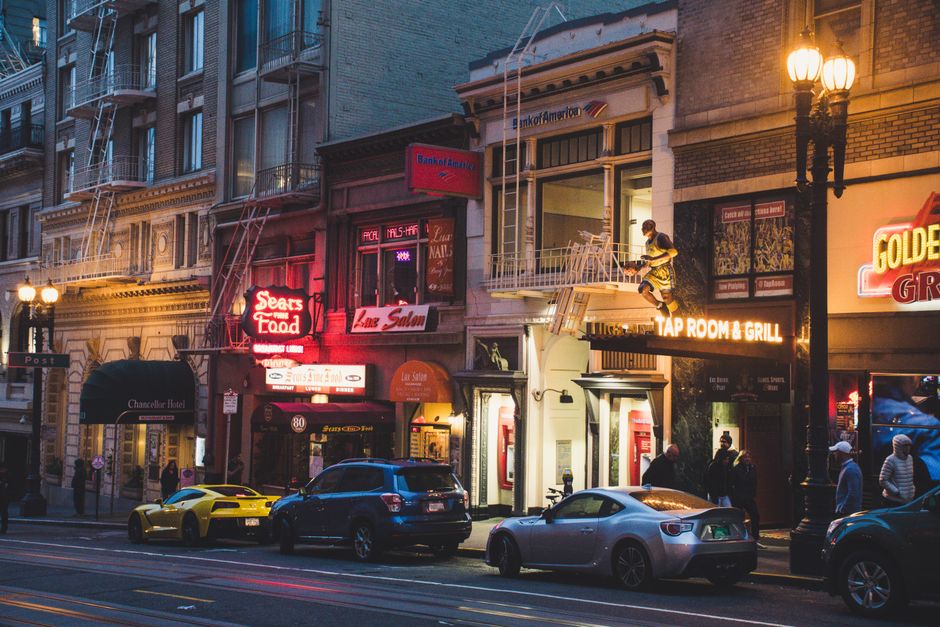
San Francisco's public school system is now spending at levels comparable to some of the world's most expensive cities — and getting far less to show for it than education officials say the price tag should produce. San Francisco Unified School District's per-pupil expenditure has climbed to roughly $22,400 for the 2025–26 school year, a figure that district budget documents show puts it in the same bracket as London's state school spending and Toronto's publicly funded system. The similarity ends at the balance sheet.
The comparison matters now because SFUSD is staring down a projected $115 million structural deficit heading into fiscal year 2027, even as the Board of Education debates another round of school consolidations. State lawmakers in Sacramento are watching the district closely after Governor Gavin Newsom's office flagged San Francisco as a potential candidate for fiscal intervention — the same mechanism applied to Oakland Unified in 2003. That precedent alone has sharpened the conversation at City Hall and in the Richmond and Sunset neighborhoods, where school closures have become a flashpoint since the board voted last February to shutter three elementary campuses.
Education researchers at Stanford's Graduate School of Education and policy analysts at the Public Policy Institute of California have both pointed to the same core problem: San Francisco's per-pupil figure is loaded with pension obligations and central-office overhead rather than direct classroom resources. Stanford researchers estimated in a 2025 report that only about 58 cents of every dollar reaches instruction when benefits costs and district administration are factored out. London's Inner Boroughs, by comparison, direct closer to 70 cents per pound to classroom-level spending under a different accounting framework.
SFUSD's own chief financial officer presented figures to the Board of Education in June showing that pension and retiree health-care costs alone account for nearly $4,100 per pupil annually — a number that has more than doubled since 2015. The district serves approximately 49,000 students across 105 schools, down from a peak enrollment of roughly 62,000 two decades ago. Fewer students spread across roughly the same fixed infrastructure is a large part of why unit costs have exploded.
The San Francisco Educators Association, the union representing about 6,000 teachers and school workers, has argued that the spending comparison with Toronto and London is misleading without accounting for Bay Area housing costs. A starting teacher salary of $68,000 under the current contract buys far less in the Outer Mission or Bayview–Hunters Point than an equivalent salary buys a teacher in many Toronto neighborhoods. The union has proposed a housing subsidy program modeled loosely on a pilot run by San Jose Unified, which offered forgivable loans to first-year teachers willing to commit to three-year contracts.
At a Board of Education session at City Hall on June 24th, Supervisor Bilal Mahmood, whose district includes the heavily school-age families of the Excelsior, pressed Superintendent Maria Su on whether the district had formally requested the city's Office of Economic and Workforce Development to model the economic cost of further enrollment decline. Su confirmed no such analysis had been commissioned. Mahmood said publicly that one was overdue.
The city's budget analyst, Ben Rosenfield, has separately flagged that Proposition G — the 2024 school parcel tax measure that voters extended through 2031 — generates roughly $60 million annually but cannot legally be used to close the structural deficit because it is restricted to teacher salary support. That constraint leaves district leadership with limited room to maneuver before the state's December 1st deadline for a corrective financial plan.
District officials say they plan to bring a revised consolidation proposal to the board by September, one that would close or merge up to eight additional schools by 2028. Community groups in the Tenderloin, including Coleman Advocates for Children and Youth, have already signaled they will mount organized opposition to any closure affecting the few remaining neighborhood schools in the area. The September hearings, whenever they are scheduled, are likely to draw the kind of crowd that makes the Milton Marks Auditorium look small.
How does this story make you feel?
Spread the word
About this article
Published by The Daily San Francisco
Daily brief
Free, in your inbox before 7am. Weekdays.
More in News


