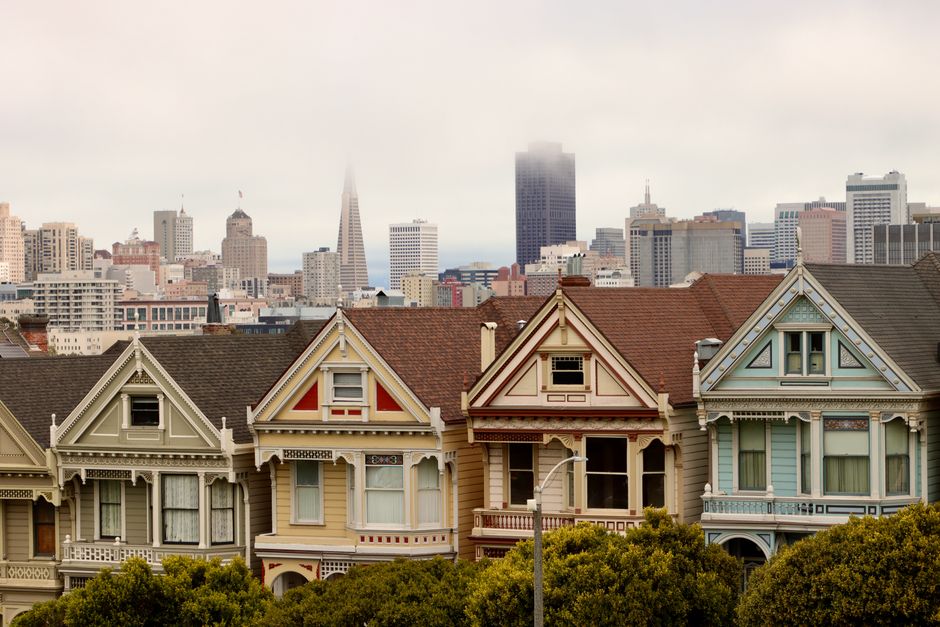
San Francisco's housing crisis didn't emerge overnight. It evolved over more than a decade of incremental policy decisions, each seemingly reasonable in isolation, that collectively transformed the city into one of America's least affordable urban centers. Understanding how we arrived here requires examining the turning points where the city chose constraint over growth.
The critical inflection came around 2012-2013, when the tech boom was accelerating but hadn't yet overwhelmed the market. At that moment, city planners and supervisors faced a choice: facilitate housing construction to match incoming workers and wealth, or protect neighborhood character through strict zoning. San Francisco chose the latter, largely through inaction and restrictive zoning codes that remained largely unchanged from the 1980s.
The numbers tell the story. Between 2010 and 2020, San Francisco's working-age population grew by approximately 15 percent, while housing stock increased by just 2 percent. Today, the median home price exceeds $1.3 million, while the average rent for a one-bedroom apartment hovers near $3,200 monthly. Compare this to the early 2000s, when similar apartments rented for under $1,500.
Neighborhood associations across the Mission District, the Castro, and the Sunset became increasingly organized against new construction, framing density as a threat rather than a solution. Meanwhile, the city's planning department operated under guidelines that encouraged single-family zoning in residential areas and created byzantine approval processes for multi-unit developments. In neighborhoods like Pacific Heights and Presidio Heights, zoning restrictions effectively capped building heights at 40 feet—a regulation designed to preserve views and character that inadvertently froze supply.
The consequences rippled outward. Teachers, nurses, and service workers—the people who sustain San Francisco's actual functioning—were systematically priced out. By 2020, commute times from the outer Bay Area had become untenable for many workers. The city's commercial core hollowed out during the pandemic partly because high housing costs had already driven away much of the workforce.
Recent moves toward reform—including changes to zoning codes in 2022 and increased density allowances near transit—represent acknowledgment of past failures. Yet these adjustments come years late and at tremendous human cost. The housing shortage that defines San Francisco in 2026 wasn't inevitable. It resulted from specific policy choices made when intervention was still possible, choices that privileged stability over adaptability during precisely the moment when the city's character was being redefined by external forces anyway.
This article was compiled by AI and screened before publishing. See our editorial standards.