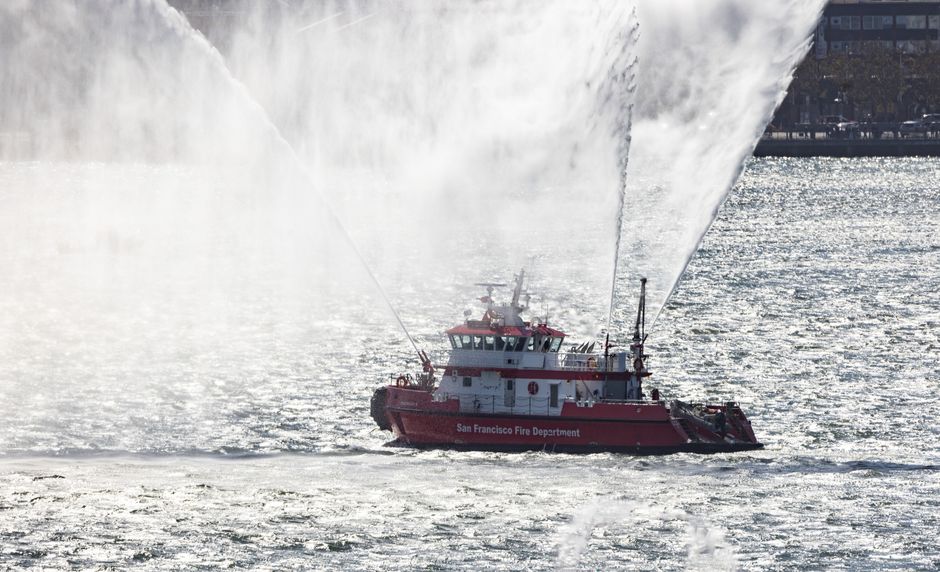
When a fire broke out at a residential building on Valencia Street in the Mission last month, the response time exceeded eight minutes—well above the city's target of five minutes for priority calls. For residents trapped inside, those extra minutes felt like an eternity. It's a stark illustration of a crisis quietly reshaping San Francisco's public safety landscape, one that directly affects whether your neighborhood gets rapid help when seconds matter most.
The San Francisco Fire Department is grappling with a staffing shortage that has reached levels not seen in a decade. With over 150 vacant positions across the department and an aging fleet of equipment, the SFFD is responding to roughly 500,000 calls annually—a 40 percent increase since 2015. The consequences ripple through every neighborhood, from the Tenderloin's concentrated emergency calls to the Sunset District's geographic challenges.
"Response time degradation isn't abstract," explains emergency management research at local institutions. When paramedics can't reach a cardiac arrest victim within four minutes, survival rates plummet from 90 percent to below 10 percent. That's the difference between a neighbor going home and a neighborhood losing someone.
The staffing crisis also impacts fire prevention work. Fewer inspectors mean longer delays for businesses obtaining permits—a particular burden for restaurants and small vendors along Mission Street and in the Financial District already facing thin margins. The SFFD's community outreach programs, which historically reduced fire incidents by 20 percent in high-risk areas like South of Market, have been scaled back.
The city's 2025-2026 budget attempted to address the shortage by authorizing new positions and allocating $45 million for equipment upgrades, but recruitment remains challenging. Salaries starting at $67,000 for entry-level firefighters struggle to compete with suburban departments offering signing bonuses and lower cost-of-living adjustments. Meanwhile, existing personnel work mandatory overtime, burning out experienced staff at alarming rates.
For residents, the practical reality is stark: police response times in high-crime areas like the Tenderloin have stretched to 15 minutes for non-emergency calls. Mental health crises that once received joint police-paramedic response now wait longer for appropriate services. The UCSF Medical Center's emergency department, already overwhelmed, absorbs the delays created upstream.
Community organizations from the Chinatown Neighbors Association to the Bayview Community Center are vocal advocates for additional SFFD resources, recognizing that public safety isn't simply about crime prevention—it's about whether emergency professionals can reach you when your house is burning, your heart is stopping, or your child is choking.
The city's next budget cycle begins discussions in September. For San Francisco residents concerned about neighborhood safety, the question is increasingly clear: who responds when you call 911, and how quickly will they arrive?
This article was compiled by AI from the sources linked above and screened before publishing. See our editorial standards.