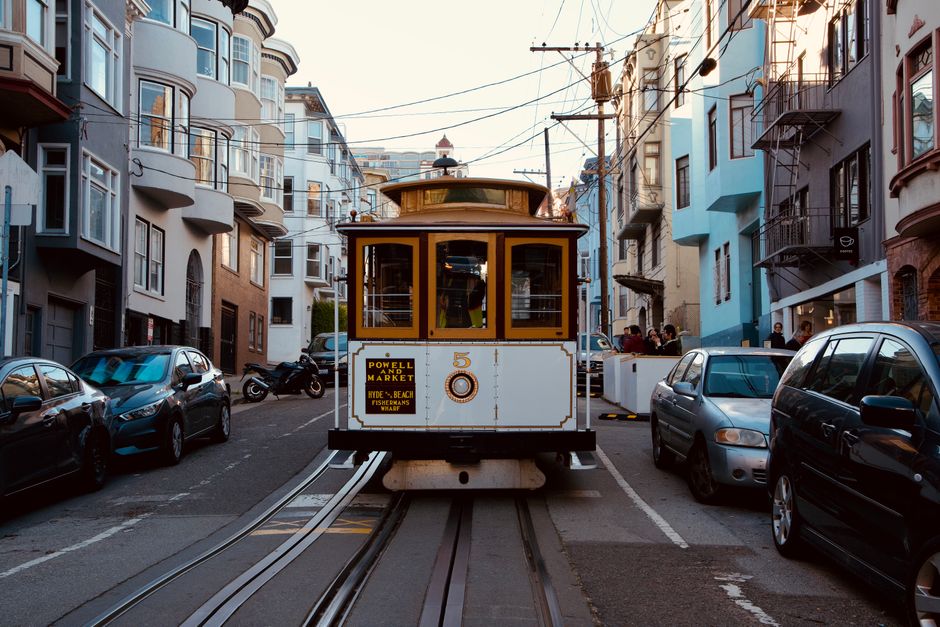
San Francisco's ambitious plans to overhaul its creaking transit system face a sobering reality: the city is falling behind peers in London, Singapore, and Copenhagen in delivering modern, reliable public transportation—a gap that could reshape where tech workers and families choose to live.
The numbers tell a stark story. BART, the region's backbone transit system, operates with an average fleet age of 34 years for its oldest cars, which still run on the original 1970s design. Meanwhile, Singapore's Mass Rapid Transit completed a $1.4 billion expansion just last year, adding 22 stations to its already cutting-edge network. London's Elizabeth Line, which opened in 2022 after 20 years of development, seamlessly integrated new infrastructure across the city's core—a feat San Francisco has struggled to replicate even with regional cooperation.
The Central Subway project, which finally reached Chinatown last year after nearly a decade of construction, cost $2.3 billion to extend the T-Third line just 1.7 miles. By contrast, Copenhagen's Metro expansion covered twice that distance for comparable investment, with fewer neighborhood disruptions and faster completion times. The delays and cost overruns that plagued the Central Subway—particularly around the Stockton Street corridor—highlight systemic challenges in project management that experts say plague American transit agencies.
Muni's bus rapid transit system, launched along Van Ness Avenue in 2022, represents the city's most successful recent project. But even that pales beside dedicated bus lanes in Paris, which prioritizes transit over private vehicles with far greater political will. San Francisco's car-centric culture and parking mandates continue to complicate similar efforts on Market Street and Mission Street, creating friction that cities like Amsterdam solved decades ago.
Funding remains the fundamental constraint. The Bay Area's Measure RR, passed in 2018, dedicated $3.5 billion to BART improvements—essential but insufficient for modernization at the scale peers are achieving. London's government commits roughly £15 billion annually to Transport for London. San Francisco's total transit budget hovers around $3 billion across all agencies.
The stakes matter. Companies considering headquarters relocations increasingly factor transit quality into decisions. Singapore and London have leveraged infrastructure investments to attract global talent and corporate investment. As San Francisco competes for the next generation of innovation clusters, its transit system's competitive deficit grows harder to ignore.
Regional cooperation through the Metropolitan Transportation Commission offers hope, but experts warn the city needs bolder political leadership and long-term funding commitments to match what world-class transit cities have already delivered.
This article was compiled by AI from the sources linked above and screened before publishing. See our editorial standards.