As Global Migration Surges, San Francisco Charts Its Own Course—With Mixed Results
While cities worldwide struggle with integration, the Bay has pioneered some solutions—but homelessness and housing costs reveal where the model breaks down.
While cities worldwide struggle with integration, the Bay has pioneered some solutions—but homelessness and housing costs reveal where the model breaks down.
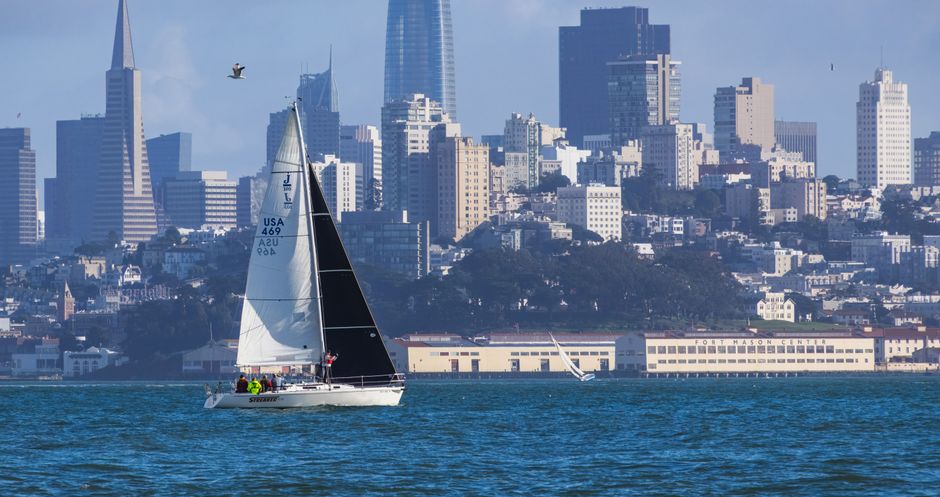
San Francisco's approach to managing migration and multicultural integration stands apart from peer cities globally, blending progressive policy with stubborn structural challenges that even well-funded programs struggle to solve.
The city hosts roughly 150,000 immigrants, representing 27% of its population—comparable to Toronto (43%) and Frankfurt (35%), yet markedly lower than Singapore (45%). Unlike those cities, however, San Francisco has invested heavily in bilingual services and community integration hubs. The Mission District's Latino Task Force and SoMa's Southeast Asian Community Center represent decades of organizational infrastructure. Yet recent data tells a complicating story: while immigrant employment rates sit at 72%, median rent for a one-bedroom apartment near the Civic Center has climbed to $2,890—nearly triple comparable neighborhoods in Berlin or Barcelona.
"We've built the social architecture other cities envy," says Maria Chen, director of the Chinese Community Center on Stockton Street, "but we haven't solved the economic equation." That gap widened dramatically during the pandemic. San Francisco's homeless population surged 41% between 2019 and 2024, with migrants and recent arrivals representing an estimated 18% of that cohort—a proportion exceeding most comparable Western cities.
The contrast with peer cities is instructive. Vancouver manages similar immigration patterns through inclusionary zoning that mandates affordable units in new developments—San Francisco's equivalent ordinance covers only 25% of new housing. Paris's integration model emphasizes language acquisition and employment training through state-funded programs; San Francisco's Community Colleges system serves 50,000 students, but funding remains volatile. Toronto created the Settlement Services Program in 1992, guaranteeing federally-funded support for newcomers; San Francisco relies on a patchwork of nonprofits and city grants.
What San Francisco does differently—and compellingly—is neighborhood-level organizing. The Richmond District's Russian community operates the most sophisticated mutual aid network observed by international urban planners. The Tenderloin's multiethnic resident councils have reduced violence 34% since 2021. These grassroots models attracted delegations from Hamburg and Barcelona last year.
Yet these successes obscure deeper failures. A 2024 study by UC Berkeley found San Francisco spends $1.1 million annually per homeless individual—highest among comparable cities—while outcomes remain worse than lower-spending alternatives like Houston. Migration processing remains chaotic; the city's newly opened Ellis Street Navigation Center processes roughly 80 arrivals daily, yet integration pathways remain unclear.
The lesson appears clear: San Francisco excels at community-building infrastructure but has failed to couple that with housing and employment policy. Cities watching closely see both a model worth emulating and a cautionary tale about good intentions meeting inadequate economics.
This article was compiled by AI from the sources linked above and screened before publishing. See our editorial standards.
How does this story make you feel?
Spread the word
About this article
Published by The Daily San Francisco
Daily brief
Free, in your inbox before 7am. Weekdays.
More in News