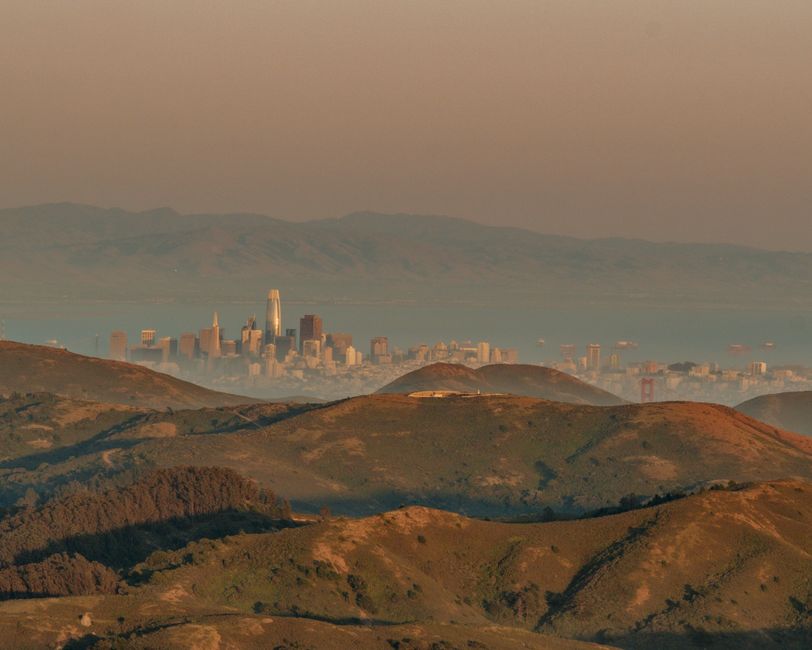
Your First 90 Days in San Francisco: The Critical ...
Beyond the moving truck, newcomers face pivotal choices about neighbourhoods, transit, and community that will define their entire Bay Area experience.
Beyond the moving truck, newcomers face pivotal choices about neighbourhoods, transit, and community that will define their entire Bay Area experience.
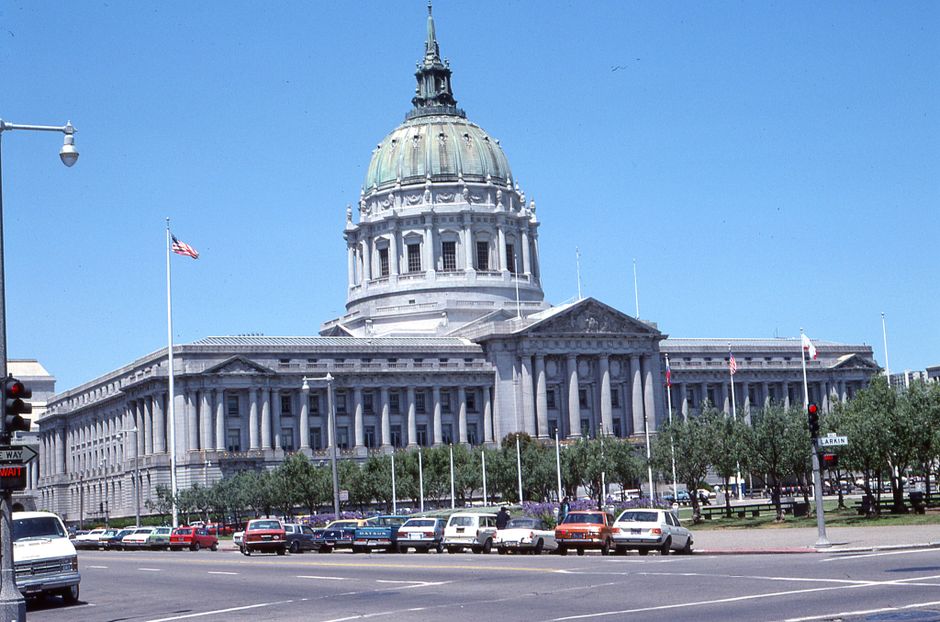
You've signed the lease. The moving truck is idling outside your new place in the Sunset, or Mission, or wherever your budget allowed. Now comes the part nobody fully prepares you for: the cascade of decisions that transforms a San Francisco address into an actual life here.
First, your neighbourhood choice was likely constrained by rent—the median one-bedroom in desirable areas hovers around $2,800 monthly—but your next decision is how you'll actually inhabit it. Will you anchor yourself to one neighbourhood's coffee shops and bars, or treat the city as a connected whole? This matters more than you think. The Marina and SOMA feel worlds apart despite being three miles apart. Visit the Ferry Building Marketplace on a Saturday morning, grab coffee at Blue Bottle, then explore. Your initial instinct about where you "belong" will likely shift after six weeks.
Transit choices reshape your daily reality. The BART and Muni system covers most of the city, but the decision between a monthly pass ($100) and bike commuting versus driving (parking permits $300+, plus insurance and gas) fundamentally changes how you experience San Francisco. Many newcomers arrive car-dependent only to abandon vehicles after their first month navigating the hills and congestion.
Then there's the social architecture question. San Francisco's reputation for transience is real—the average resident tenure is surprisingly short. Will you adopt the transplant social circuit (neighborhoods like Hayes Valley and the Castro have established newcomer networks), join a gym like Equinox or Crunch, volunteer through organizations like BuildSF, or something else entirely? Your answer in week two will largely determine your friend group by month three.
The financial reality demands immediate attention. Beyond rent, factor in the city's 8.625% sales tax and aggressive parking meters. Grocery shopping at Whole Foods on Market Street costs roughly 20% more than suburban alternatives. Many newcomers shift shopping patterns toward Trader Joe's or establish routines at neighborhood markets within their first month.
Finally, understand what you're actually moving toward versus what you're moving away from. San Francisco in 2026 is neither the tech gold rush fantasy nor the crisis narrative that dominates headlines. It's a complex, expensive, compelling city where neighborhoods have distinct characters—Valencia Street's art scene differs radically from North Beach's Italian heritage or the Marina's more conventional demographics.
Your biggest decision isn't where to unpack boxes. It's deciding what kind of San Francisco resident you want to become, and committing to the exploration that reveals it.
This article was compiled by AI from the sources linked above and screened before publishing. See our editorial standards.
How does this story make you feel?
Spread the word
About this article
Published by The Daily San Francisco
Daily brief
Free, in your inbox before 7am. Weekdays.
More in News