How San Francisco's Housing Crisis Reached This Breaking Point
Understanding the decades of zoning restrictions, speculative investment, and policy missteps that created today's affordability emergency.
Understanding the decades of zoning restrictions, speculative investment, and policy missteps that created today's affordability emergency.
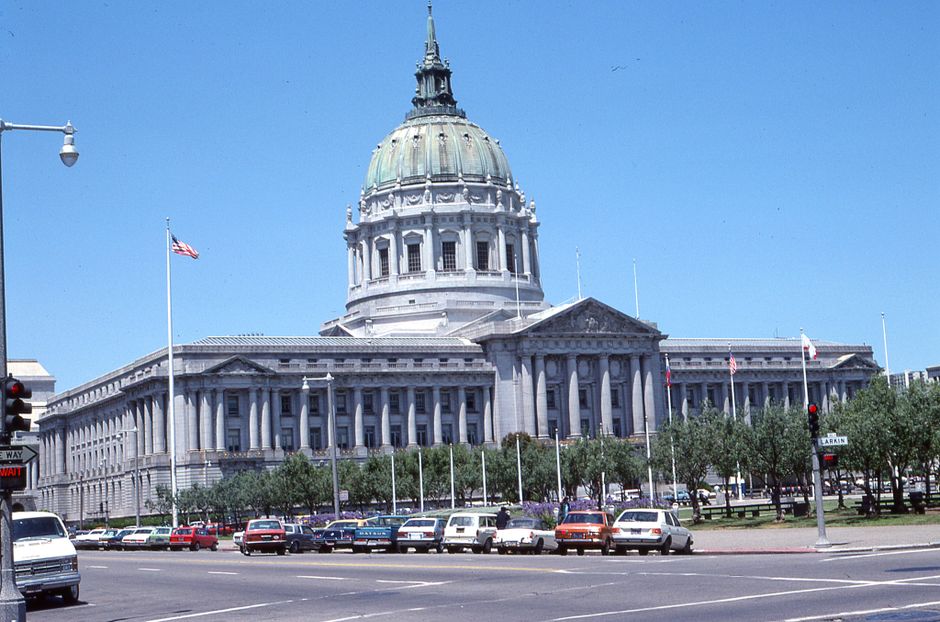
San Francisco's housing affordability crisis didn't emerge overnight. It's the product of four decades of restrictive zoning, speculative real estate practices, and policy decisions that have systematically limited housing supply while demand from tech workers and other professionals has surged.
The foundation was laid in the 1970s and 80s, when the city began imposing strict height limits and neighborhood character protections. While these measures preserved San Francisco's iconic skyline and established residential character in areas like the Sunset District and Richmond, they also froze housing stock. Today, single-family homes dominate 70% of San Francisco's residentially zoned land—among the highest proportion of any major U.S. city. This restriction makes it nearly impossible to build the multi-unit housing needed for population growth.
The tech boom of the 1990s and 2000s, centered in nearby Silicon Valley, brought wealth and workers to San Francisco. Between 2010 and 2019, the city added roughly 70,000 new residents while constructing far fewer housing units. The result: median home prices surged from $680,000 in 2010 to over $1.3 million by 2025. Rental prices followed suit, with a one-bedroom in neighborhoods like SOMA or Mission Bay now averaging $3,200 monthly.
Speculation accelerated the problem. Real estate investors, particularly from overseas and from the broader Bay Area, began purchasing properties throughout the Mission District, Lower Haight, and along Valencia Street not to live in them but to hold for appreciation. Small landlords were crowded out. Between 2015 and 2020, the number of mom-and-pop landlords owning fewer than five properties declined by 12%, while corporate ownership increased.
Policy responses came late. In 2018, the city passed measures to legalize more housing types, but implementation remains slow. Mayor's recent zoning reforms aim to allow more mid-rise development along transit corridors like Market Street and near BART stations, but these changes face neighborhood resistance and lengthy environmental review processes.
Meanwhile, evictions remain a concern. Though the city's Ellis Act restrictions limit no-fault evictions, rising property taxes and maintenance costs squeeze older buildings. Between 2023 and 2025, roughly 800 households per year faced displacement—down from peak years but still substantial.
Understanding this history matters because proposed solutions—from upzoning near transit to vacant property taxes to community land trusts—all address specific historical failures. San Francisco's path forward requires acknowledging how restrictive policies and market forces created this moment.
This article was compiled by AI from the sources linked above and screened before publishing. See our editorial standards.
How does this story make you feel?
Spread the word
About this article
Published by The Daily San Francisco
Daily brief
Free, in your inbox before 7am. Weekdays.
More in News