SF's New Teacher Retention Crisis Could Reshape Neighborhoods for Decades
As experienced educators leave the classroom, families in Mission District, Sunset, and beyond face harder choices about their children's futures.
As experienced educators leave the classroom, families in Mission District, Sunset, and beyond face harder choices about their children's futures.
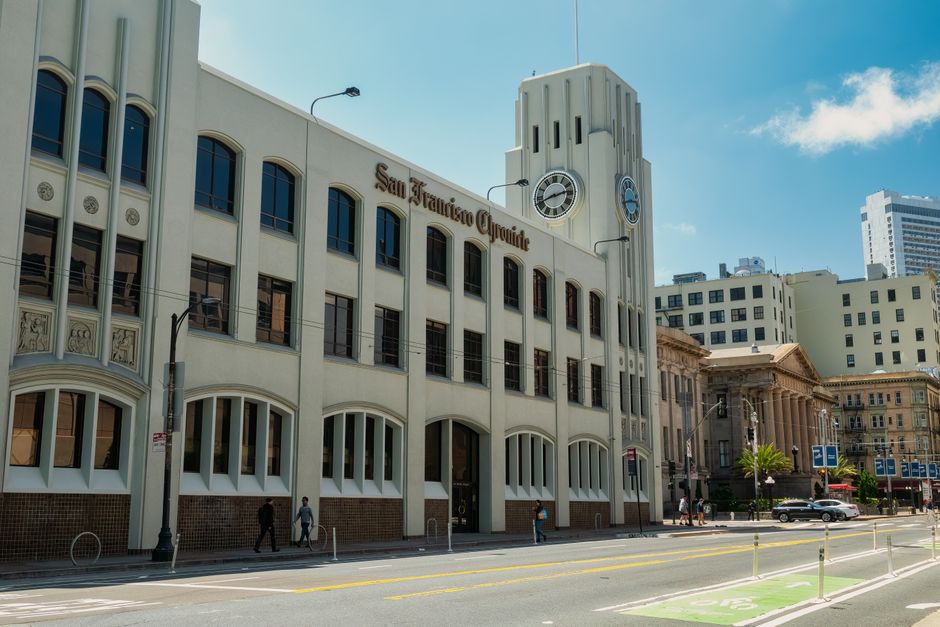
San Francisco's public school system is hemorrhaging experienced teachers at an alarming rate, and the consequences are rippling far beyond classrooms—threatening the stability of neighborhoods that depend on quality public education to maintain their character and affordability.
Data released this month by the San Francisco Unified School District shows that 23 percent of teachers with more than ten years of experience departed last school year, nearly double the rate from 2019. The exodus affects every neighborhood, but the impact is particularly acute in the Mission District and Sunset neighborhoods, where families have historically relied on strong public schools to justify staying in San Francisco as housing costs soar.
The problem is straightforward: salaries haven't kept pace with the city's cost of living. A teacher with five years of experience earns approximately $72,000 annually in SFUSD—well below what's needed to rent a one-bedroom apartment in neighborhoods like Cole Valley or the Inner Sunset, where median rents exceed $2,800 monthly. Experienced teachers, increasingly, are choosing positions in more affordable Bay Area communities like Vallejo or Antioch rather than face an hour-long commute from Hayward.
For neighborhood stability, this matters enormously. When schools lose their most experienced educators, student performance declines measurably. Test scores at schools like Moscone Elementary in the Mission have slipped 8 percentage points in reading proficiency over two years. Parents respond by enrolling children in private schools or relocating to suburbs with better-funded districts. Property values can follow.
The district is attempting intervention. A new $15 million teacher housing initiative announced in April aims to help educators access down-payment assistance for homes in San Francisco. But housing advocates note the program helps only those already positioned to buy—ignoring the thousands renting in Bayview, the Tenderloin, and Ocean Avenue neighborhoods.
Local education advocates argue the city must treat teacher retention as essential infrastructure. "When we lose teachers, we lose community anchors," says one longtime parent involved with parent-teacher organizations across the city. "Schools are what keep neighborhoods livable for families."
SFUSD's next budget cycle, deliberated through August, will reveal whether the district and city leadership recognize this crisis's urgency. Without meaningful salary increases and housing support, neighborhoods that have resisted gentrification through strong public schools may face their tipping point.
This article was compiled by AI from the sources linked above and screened before publishing. See our editorial standards.
How does this story make you feel?
Spread the word
About this article
Published by The Daily San Francisco
Daily brief
Free, in your inbox before 7am. Weekdays.
More in News