A Resident’s Practical Guide to Exploring San Francisco’s Restaurant Scene
From the fog-swept storefronts of the Inner Sunset to the culinary corridors of the Mission, navigating the city's shifting dining landscape requires a strategy.
From the fog-swept storefronts of the Inner Sunset to the culinary corridors of the Mission, navigating the city's shifting dining landscape requires a strategy.
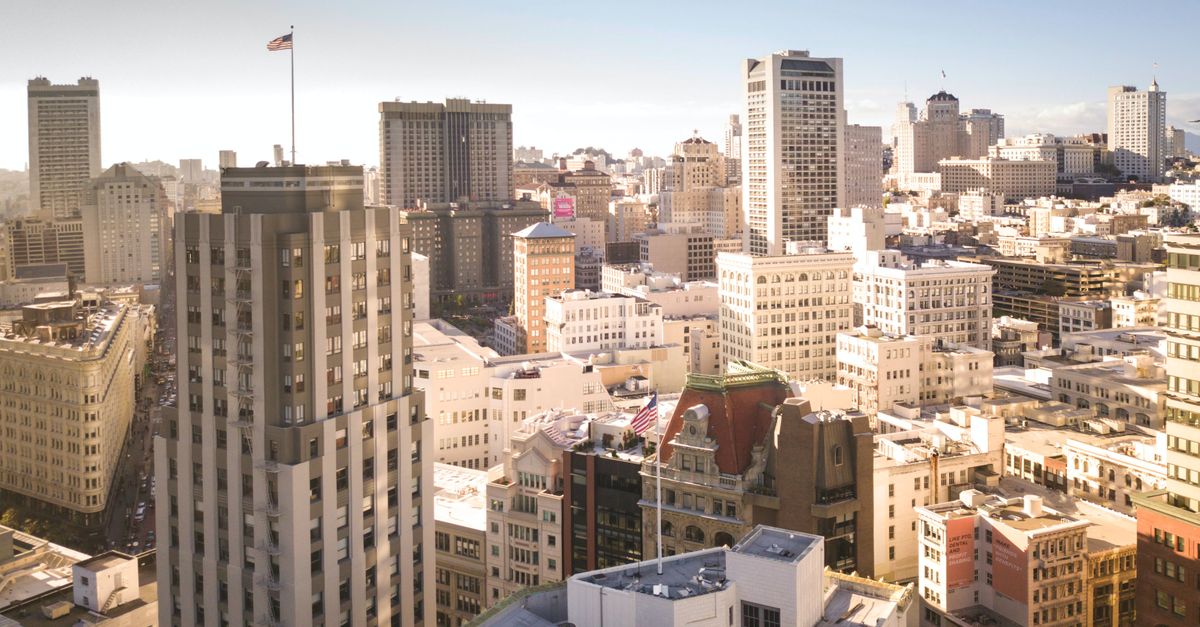
San Francisco’s restaurant scene is undergoing a palpable shift this summer, as veteran institutions stabilize their operations and new ventures prioritize hyper-local sourcing. For residents who have spent the last few months relying on delivery apps or neighborhood staples, July 2026 offers a distinct opportunity to re-engage with the city’s broader culinary identity. The focus has moved away from high-concept, reservation-only theater and toward accessible, ingredient-driven dining that reflects the agricultural abundance of Northern California.
Residents looking to rediscover the city should start by focusing on neighborhood-specific corridors that offer a high density of quality options within walking distance. In the Inner Sunset, Ninth Avenue remains a reliable hub for diverse cuisines, anchored by the long-standing Sotto Mare for seafood or the more casual offerings near Golden Gate Park. Moving across town to the Mission District, Valencia Street continues to serve as the city’s primary laboratory for new culinary trends, ranging from high-end bakeries to specialized taquerias.
Understanding the rhythm of these areas is essential for anyone aiming to dine out successfully on a Tuesday or Wednesday. While weekend demand remains high across the city, midweek lunch and early dinner service at establishments like Zuni Café on Market Street often provide a more relaxed environment for residents. Strategic planning, such as utilizing the Resy or OpenTable platforms to check availability at least 48 hours in advance, remains the standard practice for securing seats at popular venues during peak hours.
The financial landscape for diners in 2026 reflects the broader economic pressures on the hospitality sector. According to the Bureau of Labor Statistics’ most recent Consumer Price Index for the San Francisco-Oakland-Hayward metropolitan area, food-away-from-home costs have shown consistent upward trends throughout the current fiscal year. Despite these increases, value-driven dining remains accessible for those who target lunch specials or fixed-price menus during the quieter days of the week.
For those looking to optimize their dining budget, focusing on established, high-volume eateries can often provide a more predictable experience. The San Francisco Chamber of Commerce continues to highlight the importance of supporting local legacy restaurants as a way to maintain the city's unique cultural character. Before heading out, residents are encouraged to verify current service hours directly through official business social media pages or verified websites, as staffing shifts can frequently affect operations at smaller family-owned businesses.
Ultimately, the key to enjoying the current landscape is flexibility. By planning visits during off-peak hours and exploring the specific corridors that define our unique micro-climates and cultures, residents can reliably find high-quality meals without the typical hurdles of weekend crowds. Keep a rotating list of three to four potential spots in different neighborhoods to ensure you have a viable alternative if your primary choice is fully committed.
How does this story make you feel?
Spread the word
About this article
Published by The Daily San Francisco
Daily brief
Free, in your inbox before 7am. Weekdays.
More in lifestyle