lifestyle
Haight-Ashbury’s enduring pulse: The people, stories, and faces that make this place special
Beyond the tie-dye and the heavy tourist foot traffic, a core community of independent shopkeepers and legacy residents keeps the neighborhood's spirit anchored in 2026.
Listen in English · 3 min
How we reported this
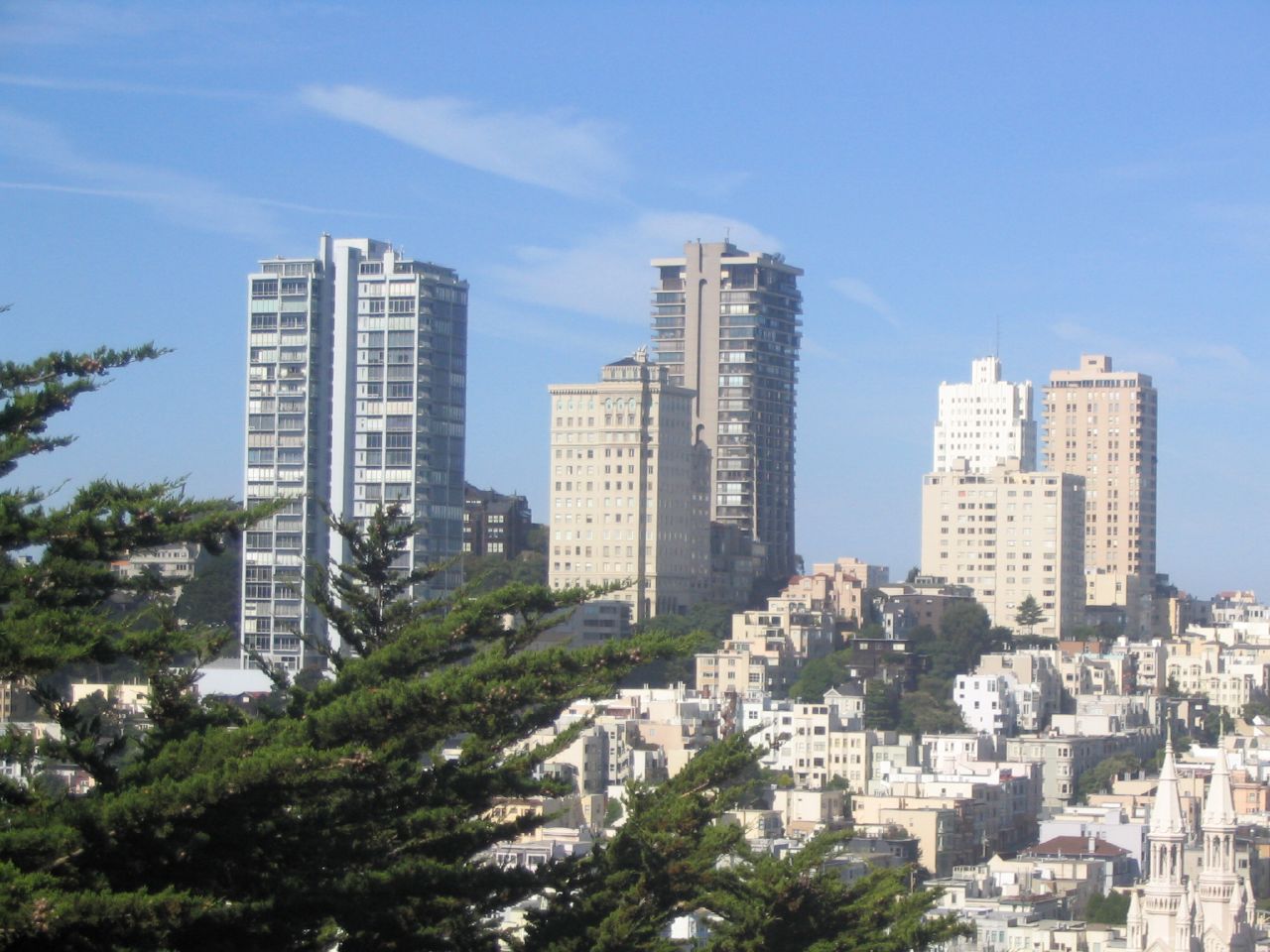
On the corner of Haight and Ashbury this July 5th, the fog is lifting to reveal a street scene that feels remarkably consistent despite the city's shifting economic tides. While visitors from the Embarcadero to the Sunset gravitate toward the colorful facades of the Victorian row houses, the true soul of the neighborhood remains held by those who maintain the storefronts and archives of the 1967 Summer of Love. This stretch of sidewalk, often marked by the neon signs of vintage boutiques, remains a focal point for San Francisco's identity as a hub of non-conformity.
The human element behind the storefronts
For those looking past the tour buses, the Haight-Ashbury neighborhood offers a look at institutional knowledge preserved through small business. At the Amoeba Music flagship on Haight Street, the inventory continues to reflect a curated, analog approach to culture that persists despite the rise of digital streaming platforms. Just a few blocks away, the San Francisco AIDS Foundation’s legacy of public health outreach in this district is echoed in the community-focused initiatives that still operate out of storefronts along the Haight corridor. These spaces function not just as retail outlets, but as informal community hubs where residents exchange local news and maintain the neighborhood’s distinct social fabric.
Data and the neighborhood economy
The economic footprint of the Haight is unique in the city, with a high concentration of independent specialty retail. According to data provided by the San Francisco Office of Economic and Workforce Development in their 2026 Q1 neighborhood economic report, retail vacancy rates in the Haight-Ashbury district have stabilized at approximately 8.4 percent, a figure that remains lower than the city-wide average of 11.2 percent for commercial zones. With a median price for a vintage band shirt hitting $45 this month at local shops like Wasteland, the area continues to command a steady flow of both curious travelers and dedicated locals who support these long-standing institutions.
Visitors hoping to capture the essence of the neighborhood should step inside the Haight Street Art Center, which recently updated its exhibition schedule to feature local printmakers who have worked in the area for decades. While the intersection of Haight and Ashbury is the most photographed spot, the quiet, residential pockets of the Panhandle and the nearby Grateful Dead house on Ashbury Street offer a more grounded look at the area. For a genuine experience, start your afternoon at the local independent bookstores where the staff can direct you toward the murals that define the neighborhood's evolving artistic legacy.