lifestyle
Haight-Ashbury’s Enduring Counterculture: What Makes This City Unique Compared to Others Around the World
While the world grapples with shifting political tides and climate volatility, San Francisco’s Haight neighborhood remains a living artifact of non-conformity.
How we reported this
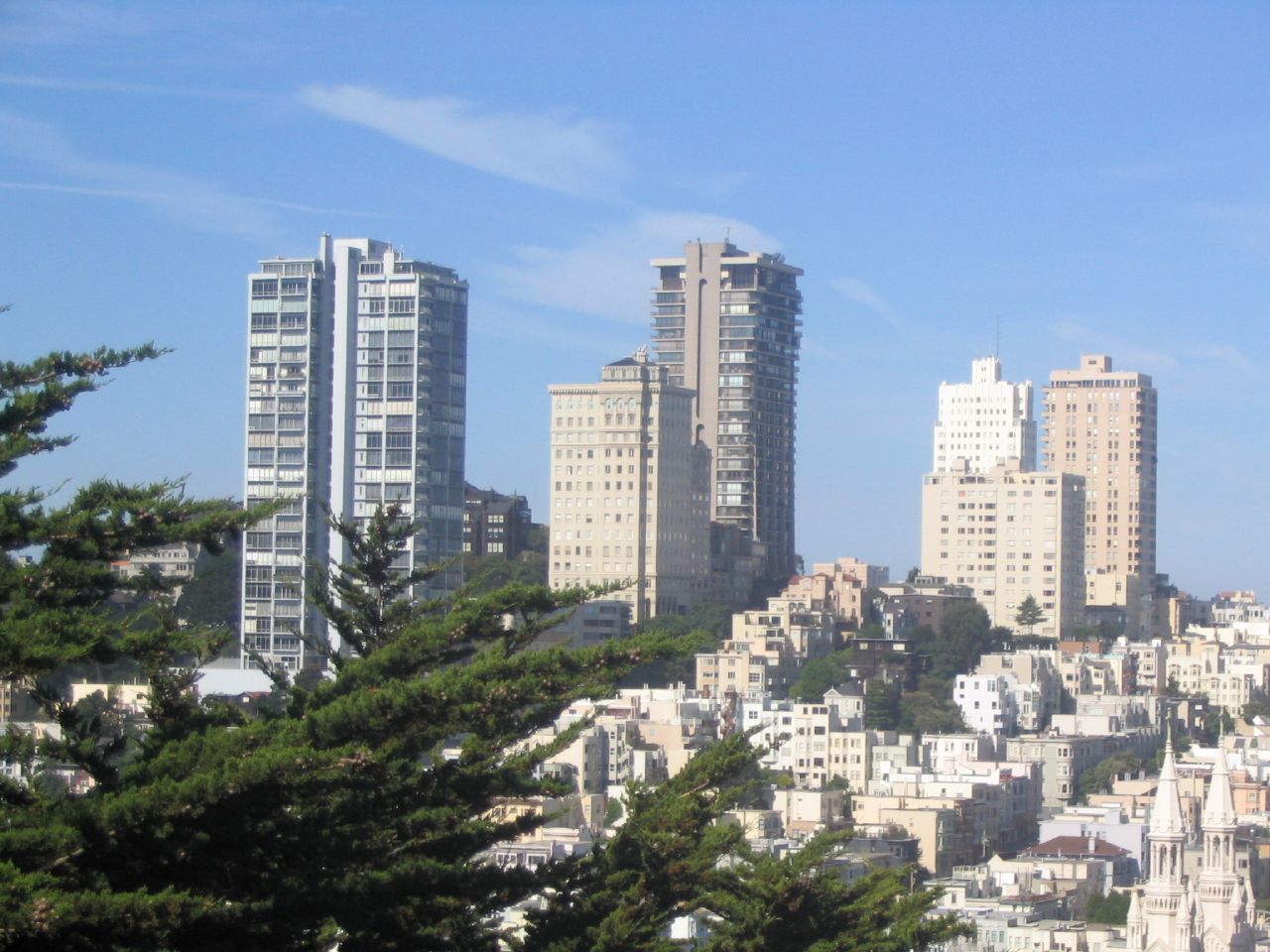
San Francisco’s Haight-Ashbury district recorded a 12% uptick in historical walking tour attendance this past holiday weekend, signaling a resurgence in interest for the 1967 Summer of Love’s original ground zero. As global headlines remain dominated by state funerals in Tehran and seismic recovery efforts in Venezuela, visitors are increasingly seeking the tangible, preserved radicalism of this four-block radius.
The Haight distinguishes itself from other global cultural hubs like London’s Camden or Berlin’s Kreuzberg by maintaining a specific, unbroken link to the 1960s psychedelic revolution. While cities across the world have seen their countercultural districts polished into high-end retail corridors, the Haight clings to a gritty, tangible history through institutions like the Haight Street Art Center. The district functions less as a museum and more as a defiant neighborhood that rejects the corporate homogenization seen in other major metropolitan areas.
Preserving a Radical Blueprint
Walking the intersection of Haight and Ashbury today offers a look at a landscape where independent enterprise remains the standard. The Love on Haight boutique continues to serve as an anchor for the local aesthetic, while the nearby Amoeba Music maintains its status as one of the largest independent record stores in the United States, according to the shop’s operational data. Unlike the rapidly digitizing retail environments in Singapore or Tokyo, this neighborhood prioritizes physical vinyl and hand-screened protest art as essential pillars of the local economy.
Public records indicate the neighborhood's resilience is bolstered by the San Francisco Small Business Commission’s legacy business registry, which protects storefronts that have anchored the district for decades. According to 2026 city planning documents, rental prices for historic storefronts in the Upper Haight average $85 per square foot, a premium that keeps corporate chains at bay and allows independent vintage purveyors to survive. This economic environment ensures that the neighborhood remains a bastion of individuality rather than a franchise-heavy corridor.
Navigating the Spirit of the District
For those looking to experience the neighborhood this month, the most authentic entry point remains the daily walking tours departing from the corner of Haight and Masonic. These tours, led by local historians, emphasize the architectural heritage of the Victorian-era homes that housed the Grateful Dead and Janis Joplin. If you are planning a visit, keep in mind that parking in the district is strictly limited; the San Francisco Municipal Transportation Agency advises using the N-Judah light rail, which offers a direct transit link from downtown to the heart of the historic district.
The Haight-Ashbury experience is not found in the luxury of modern hotels, but in the persistence of its street-level identity. As you move through the neighborhood, prioritize a stop at the Red Victorian, a building that continues to host community-focused events. To see the best of the neighborhood, arrive before 11:00 AM on a weekday to avoid the peak tourist influx, allowing for a clearer view of the murals and plaques that detail the 1967 Haight-Ashbury Free Medical Clinic’s foundational work.