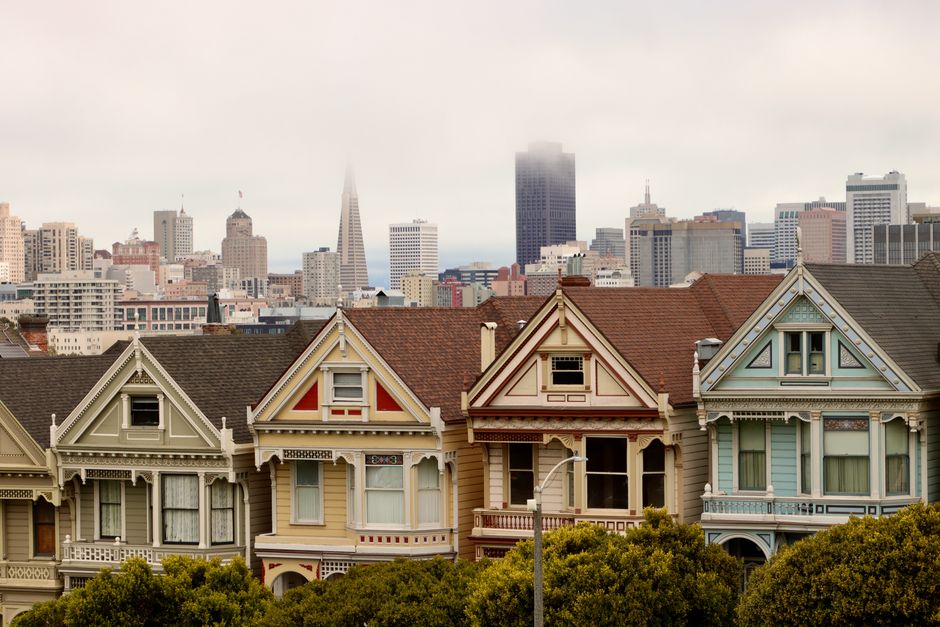
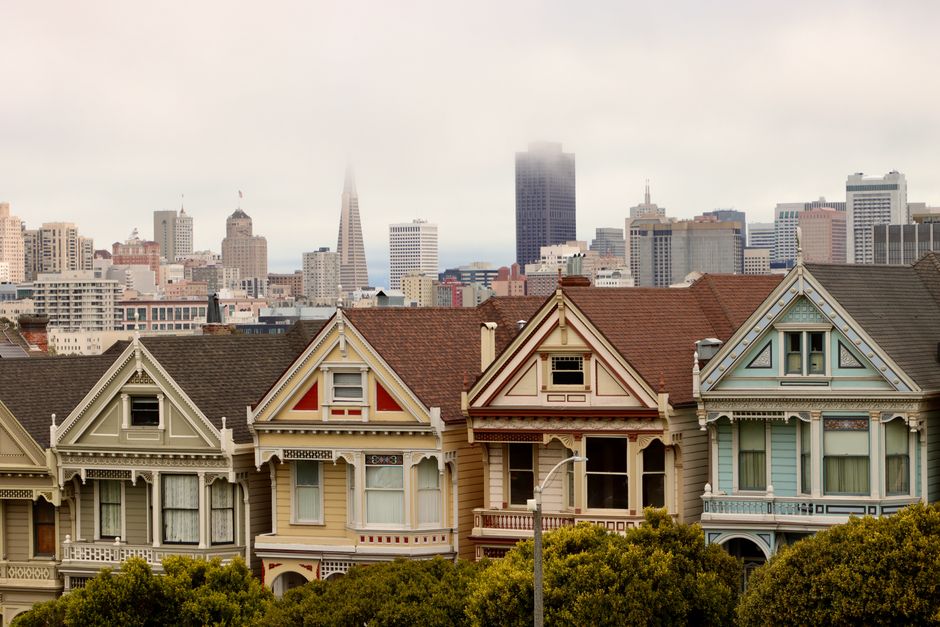
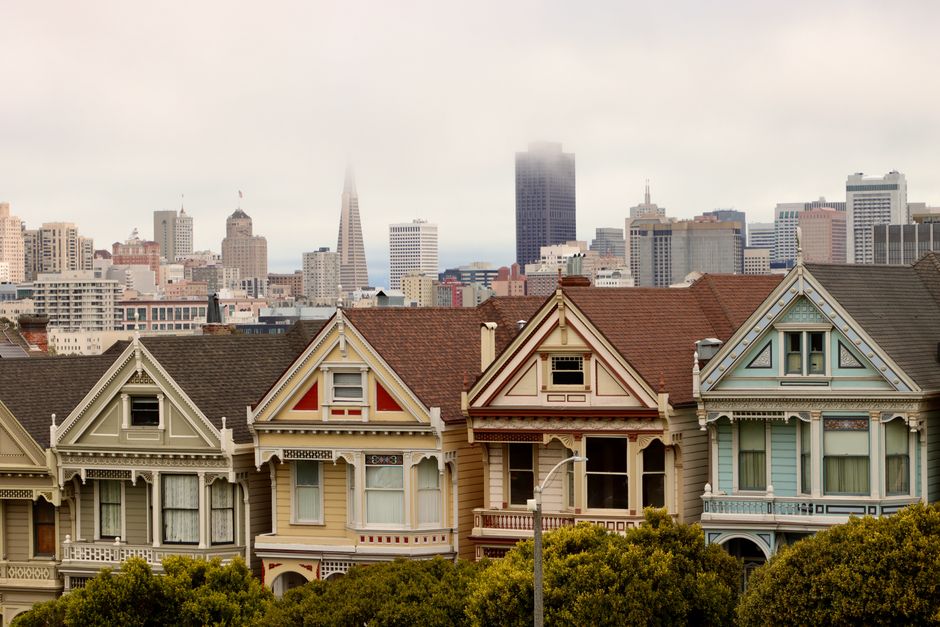
The Haight hasn't turned into Barcelona's Gothic Quarter or London's Camden Market, and locals credit one thing: the district refuses to perform authenticity for outsiders. Walk down Haight Street between Fillmore and Ashbury—the commercial spine—and you'll find vintage record shops still competing with chain retailers, dive bars that serve the same crowd they did in 1985, and independent bookstores squeezed between sneaker boutiques. The neighborhood's DNA, forged during the Summer of Love in 1967, resists the kind of wholesale redevelopment that has sterilized comparable districts elsewhere.
Why does this matter now? As Fourth of July weekend draws crowds to San Francisco, the Haight represents something increasingly rare: a historically significant counterculture neighborhood that hasn't fully surrendered to Instagram optimization. Other cities have monetized their bohemian credentials into neat, frictionless experiences. The Haight remains raw.
Where to Actually Spend Your Time
Amoeba Music at 1855 Haight Street operates exactly as it has since 1997—a sprawling record store where you can spend four hours digging through bins without a staff member asking if you need help. The shop stocks 100,000 vinyl records, CDs, and DVDs, with prices ranging from $3 used singles to $40 for rare pressings. Compare that to Record Store Day pop-ups in other cities, which treat vinyl hunting like a scheduled cultural experience rather than an actual job. Around the corner, Wasteland at 1660 Haight remains a secondhand clothing institution, where finding a 1970s Levi's jacket for $45 requires actual effort rather than scrolling a curated Instagram feed.
The Grateful Dead House at 710 Ashbury Street—the band's former headquarters—sits unmarked and unrenovated, which is precisely the point. No gift shop. No admission fee. No QR code leading to a documentary. It's just a Victorian mansion where something historically significant happened, owned by someone who lives there and doesn't want tourists on the porch.
Museums and cultural institutions here operate differently too. The Haight-Ashbury Free Clinic, founded in 1967 and still operating at 558 Clayton Street, provides free and low-cost medical services primarily to uninsured residents. Unlike heritage tourist sites in cities from Prague to New Orleans, the Haight's historical institutions remain tethered to their original purpose—serving the neighborhood, not performing history.
The Numbers Behind the Resistance
San Francisco's median rent in the Haight-Ashbury neighborhood sits around $2,800 monthly for a one-bedroom apartment as of 2026, according to local rental data. That's expensive enough to displace many longtime residents but cheap enough compared to the Mission District ($3,200) or SOMA ($3,400) to keep some working artists and musicians here. The mixed-income reality prevents the kind of total gentrification that turned New York's East Village or Berlin's Kreuzberg into luxury playgrounds for the wealthy.
The district's character also benefits from zoning that limits chain restaurant expansion. You'll find independent cafes like Café Trieste competitors alongside corporate coffee, but the ratio remains tilted toward independent operators. Nearly 60 percent of Haight Street's storefronts remain independently owned businesses, according to a 2025 San Francisco Chronicle survey—higher than comparable neighborhoods in Los Angeles, Seattle, and Portland.
If you're visiting this weekend, skip the official tourist guides. Walk Haight Street on a Saturday morning. Browse Booksmith at 1644 Haight, where staff recommendations still drive sales rather than bestseller lists. Grab lunch at a taqueria that hasn't been featured in national food media. The neighborhood's power lies in its refusal to codify itself into a branded experience. That's what makes San Francisco's most famous bohemian enclave genuinely different from every other city's attempt at counterculture nostalgia.