Haight-Ashbury at a Crossroads: Inside Look at the Neighborhood Character and Community Vibe
While the rest of the city pivots toward tech-driven polish, the Upper Haight remains a defiant holdout of counter-cultural grit and local autonomy.
While the rest of the city pivots toward tech-driven polish, the Upper Haight remains a defiant holdout of counter-cultural grit and local autonomy.
The corner of Haight and Ashbury is quieter than the postcards suggest, but the pulse of the neighborhood remains as stubborn as ever this Independence Day. While the cruise ships dock at Pier 27 and tourists descend on the Ferry Building, locals are navigating the familiar, incense-heavy air of the district that once defined a generation. On this July 4th morning, the rhythm here isn't set by fireworks or waterfront galas, but by the slow churn of independent businesses resisting the homogenization of the surrounding urban core.
Running a storefront on Haight Street today requires more than just a vintage aesthetic. At Wasteland, the staff is sorting through mountains of late-90s denim, a staple that has seen a 40% uptick in sales over the last six months. Just a few doors down, Amoeba Music continues its decades-long tenure as a global destination, proving that physical media remains a pillar of the community’s social fabric despite the city's broader shift toward digital-first economies. These shops are not merely retail outlets; they function as a self-policed ecosystem that keeps the neighborhood’s identity from being entirely swallowed by the venture capital influence emanating from SoMa and the Financial District.
Economic pressure remains the primary threat to this enclave. Commercial rent in the Upper Haight currently hovers around $65 to $90 per square foot, a price tag that has squeezed out several long-standing cafes since the start of 2026. Despite these overhead costs, the Haight Street Merchants Association reports that vacancy rates in the corridor remain below 8%, a stark contrast to the hollowed-out storefronts currently marking parts of Market Street. This community resilience is bolstered by active residents who prioritize patronizing establishments like Pipe Dreams or the iconic Red Vic, ensuring that the tax base stays within the neighborhood.
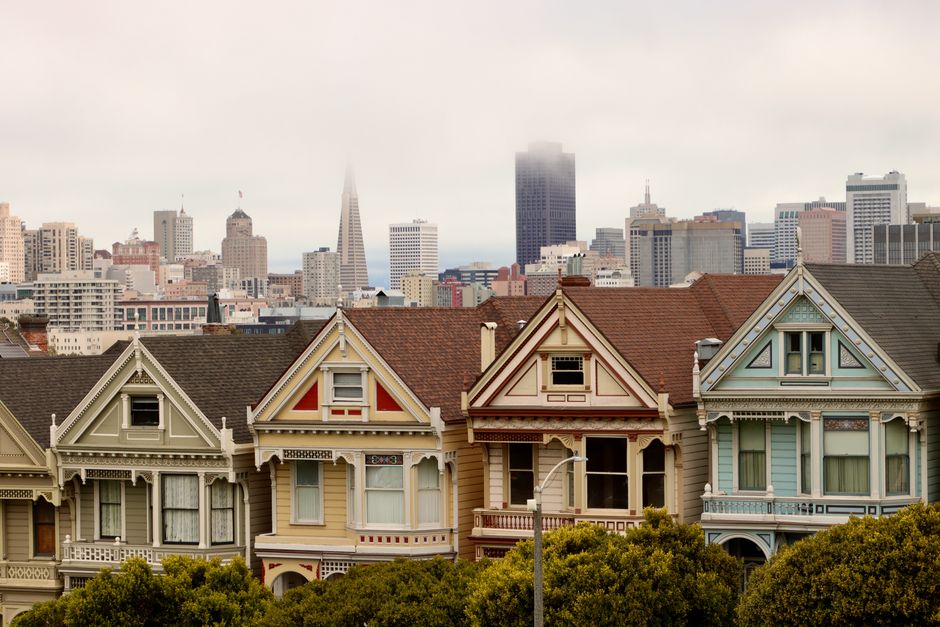
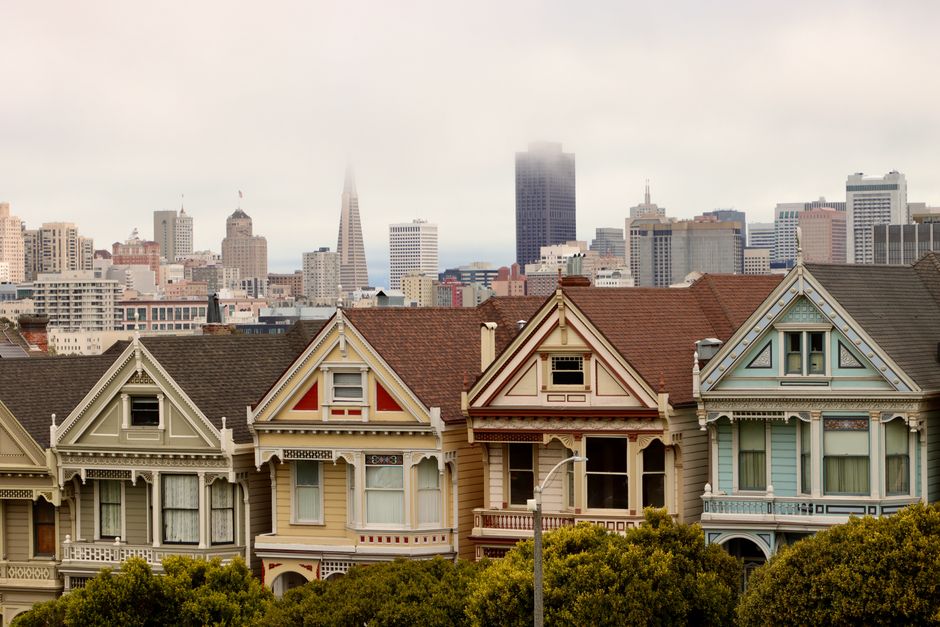
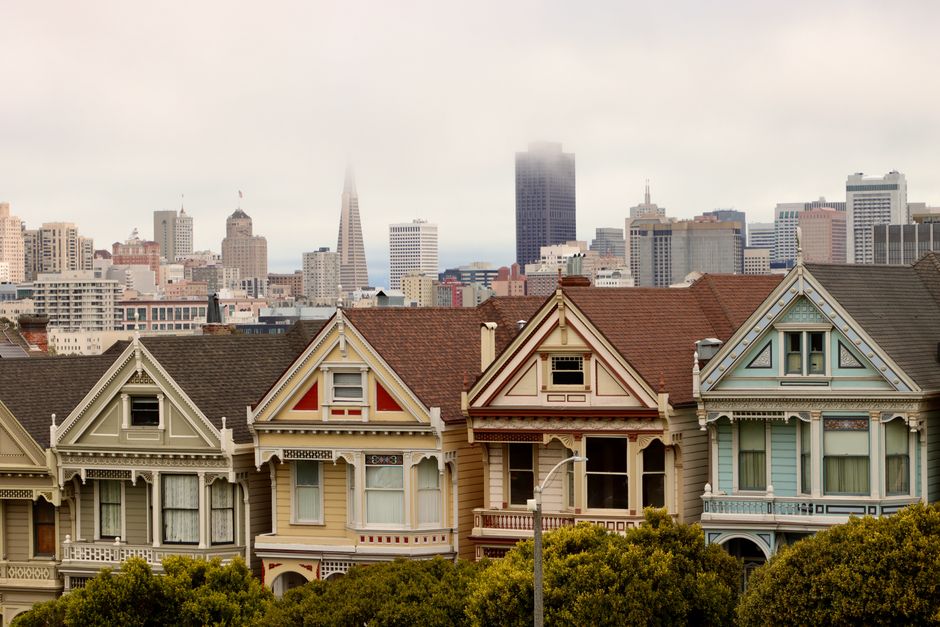
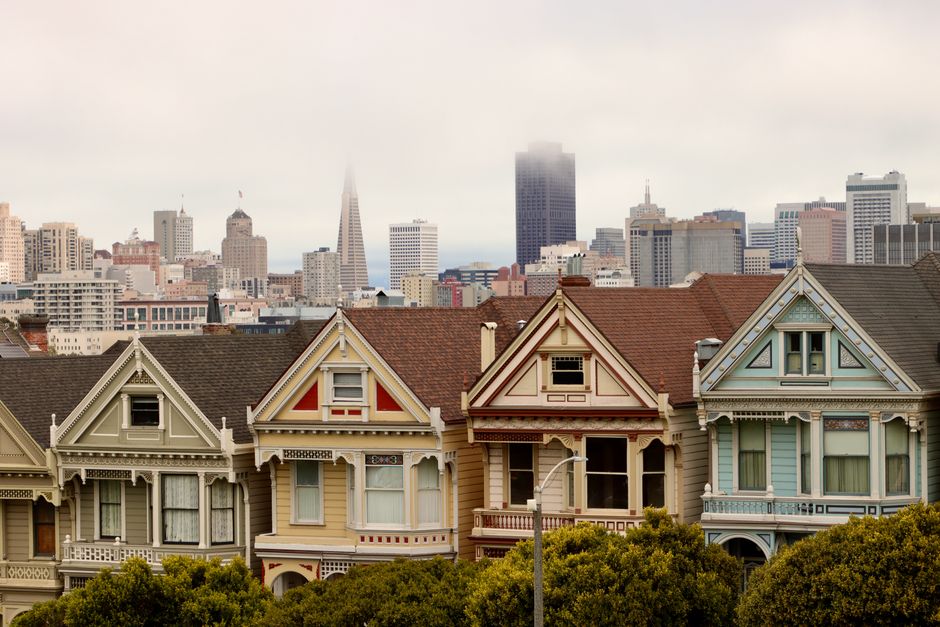
The vibe of the neighborhood is changing, but not in the way many observers predicted five years ago. Gentrification is present, yet it has been met with a unique brand of local resistance that emphasizes neighborhood heritage programs and strict zoning advocacy. The San Francisco Heritage organization recently designated two additional Victorian homes in the area as landmarks, further protecting the architectural integrity that locals argue is essential to the neighborhood's soul. When you walk past the Panhandle, you see fewer tech-sponsored corporate picnics and more neighborhood-led garden cleanups, a trend that accelerated following the unusually wet winter of 2025.
For those looking to experience the neighborhood today, don't expect a theme park experience. The reality of the Haight is found in the margins—the small, cluttered bookshops and the tight-knit groups gathered at the benches near Buena Vista Park. If you plan to visit this weekend, bring cash for the independent vendors who don't rely on mobile payment processors, and check the current Muni schedule for the 7-Haight/Noriega line, as holiday service changes are in effect. The Haight survives not by trying to compete with the new San Francisco, but by providing a stubborn, authentic alternative to it.
How does this story make you feel?
Spread the word
About this article
Published by The Daily San Francisco
Daily brief
Free, in your inbox before 7am. Weekdays.
More in lifestyle