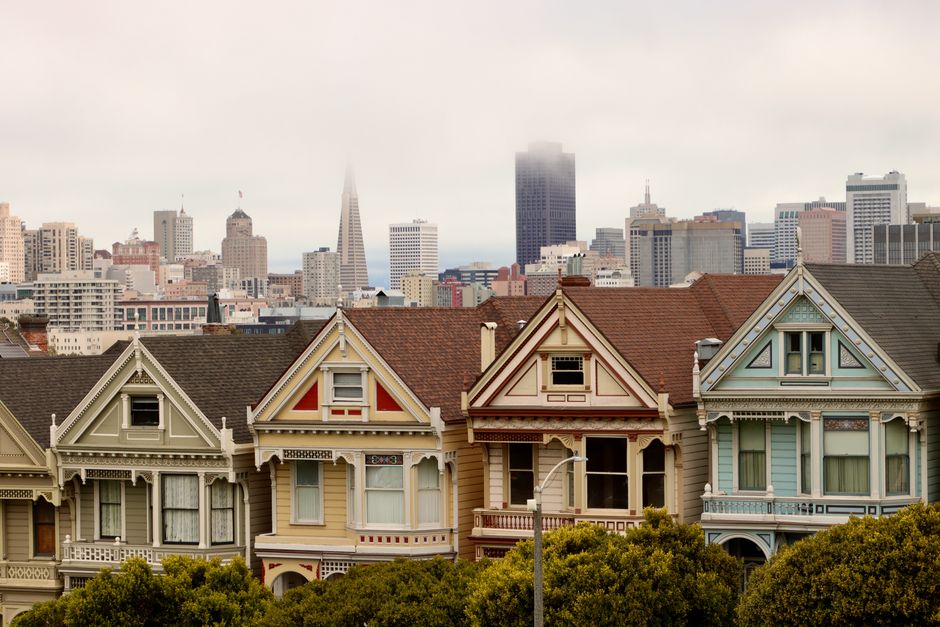
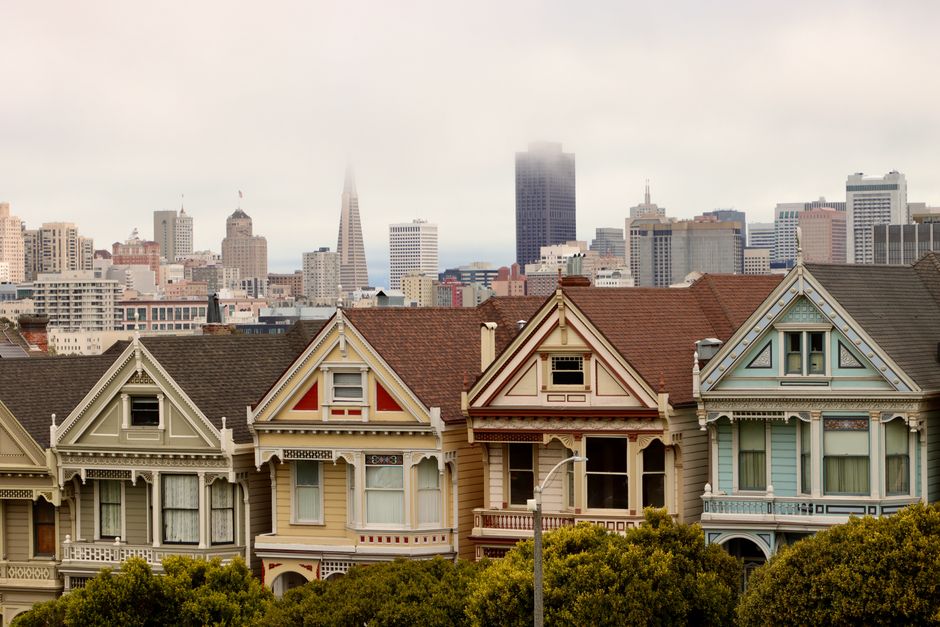
Haight-Ashbury Is Trading Tie-Dye for Tech-Era Minimalism
A quiet shift in retail and demographics is redefining the district’s counterculture identity as legacy storefronts face a new generation of business owners.
A quiet shift in retail and demographics is redefining the district’s counterculture identity as legacy storefronts face a new generation of business owners.
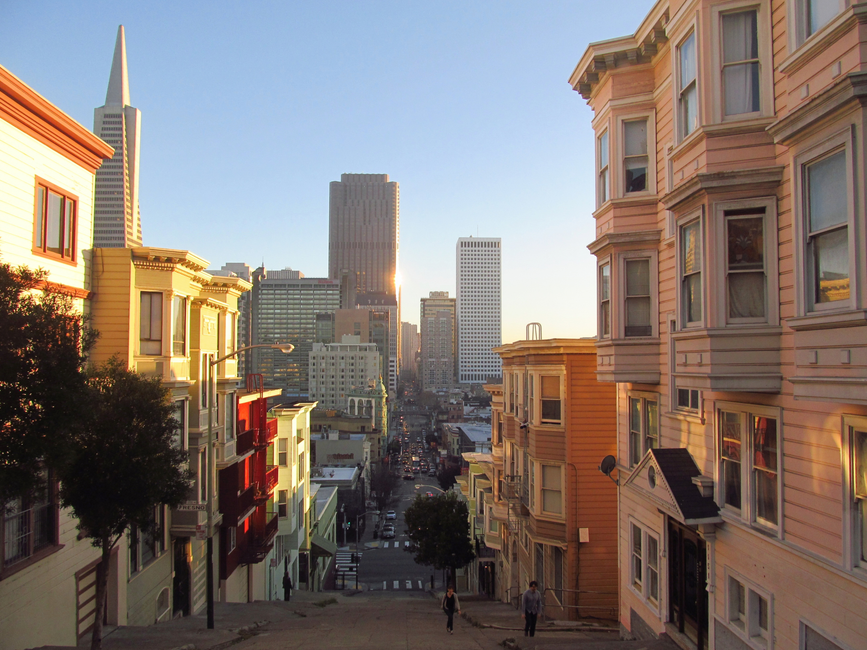
The corner of Haight and Ashbury looks markedly different this Fourth of July, and it isn't just the absence of illegal fireworks. While the neighborhood remains the spiritual epicenter of the 1967 Summer of Love, the dense concentration of head shops and incense boutiques is thinning, replaced by high-end coffee roasters and curated boutiques that would feel more at home in Hayes Valley than in the birthplace of the hippie movement.
This shift matters because it represents a cooling of the neighborhood's aggressive kitsch factor. For decades, the area relied on a perpetual cycle of tourists seeking the ghosts of Janis Joplin and Jerry Garcia. Now, property owners are incentivized to attract local tech commuters and families from the Inner Sunset, turning the thoroughfare into a more functional retail corridor rather than a static museum of the late sixties.
At the intersection of Haight and Masonic, the storefronts tell the story. The legacy bookstores are holding firm, but newer neighbors have arrived with a different aesthetic. Places like the upscale home goods shop Gather, located just three blocks east, reflect a pivot toward minimalism. Even the iconic Amoeba Music, which anchors the 1800 block of Haight Street, has had to lean into its status as a destination experience rather than a primary source for music discovery in an era of digital streaming.
Local advocacy groups like the Haight Ashbury Neighborhood Council (HANC) are actively monitoring the influx of luxury commercial leases. Current data from the city’s Office of Economic and Workforce Development indicates that commercial rent prices along the Haight Street corridor have risen by approximately 14% since the start of 2025. This uptick has forced out smaller, marginal vendors who previously operated on razor-thin margins by catering solely to weekend foot traffic. The average price for a cup of drip coffee in the district, once a bastion of cheap caffeine, now hovers around $5.50 at several newly opened specialty cafes.
The transition is not without friction. Residents frequently attend town halls to voice concerns that the neighborhood is losing its grit, which they argue is essential to its character. However, business permit filings from the last six months suggest that the appetite for high-margin retail is winning out over the traditional tie-dye shops. The city is currently processing three new applications for food and beverage establishments that focus on organic, locally sourced menus, further distancing the strip from its greasy-spoon past.
If you visit today, skip the souvenir trinkets and spend your time at the newly renovated park facilities near the entrance to Golden Gate Park. The neighborhood is still the best place in the city to catch a sunset over the Panhandle, but come prepared to pay a premium for dinner. For those looking to see the changes firsthand, walk from the Grateful Dead House on Ashbury Street down toward Stanyan. You will find that while the architecture remains unchanged, the people on the sidewalk—and what they are buying—are telling a very different story about San Francisco’s future.
How does this story make you feel?
Spread the word
About this article
Published by The Daily San Francisco
Daily brief
Free, in your inbox before 7am. Weekdays.
More in lifestyle