Haight-Ashbury: The Cost, Access, and Everything You Need to Know Before Going
Planning a trip to San Francisco’s iconic Haight-Ashbury? Here’s what to expect on price, accessibility, and top spots to visit.
Planning a trip to San Francisco’s iconic Haight-Ashbury? Here’s what to expect on price, accessibility, and top spots to visit.
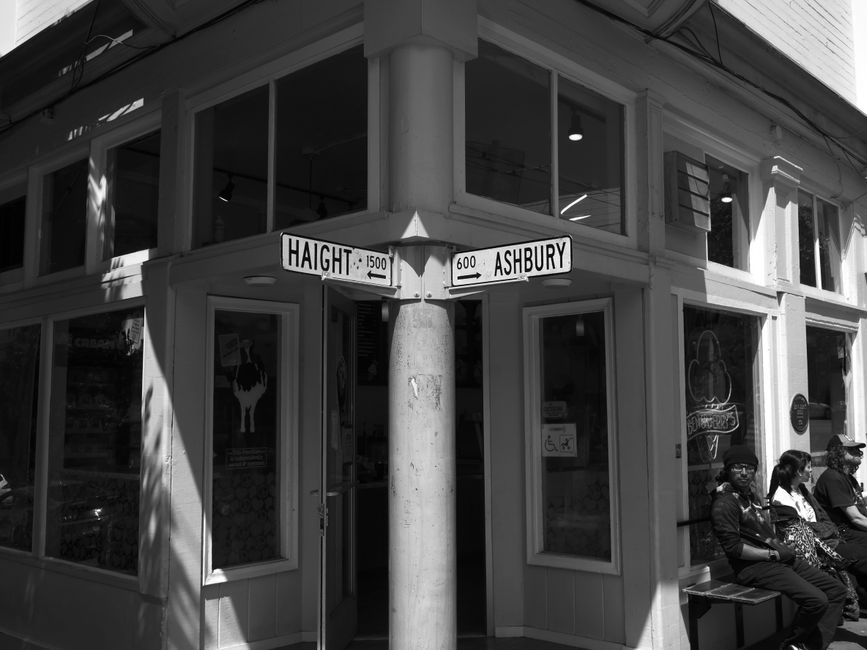
Visitors to San Francisco’s Haight-Ashbury neighborhood can expect a blend of history, culture, and vibrant street life—but knowing the essentials about cost, access, and local highlights can transform a simple visit into a memorable experience. As of July 2026, navigating this famed district involves understanding transportation options, pricing for attractions and dining, and the best times to explore to avoid the crowds.
The Haight’s reputation as the epicenter of 1960s counterculture draws thousands yearly, but it now faces fresh challenges and opportunities amid San Francisco’s evolving urban landscape. The neighborhood's blend of vintage shops, cafes, and cultural landmarks continues to attract tourists and locals, especially during the summer months when temperatures rise and foot traffic increases along Haight Street between Stanyan and Ashbury Streets. The city has refreshed some of its public transportation routes recently, aiming to improve access while managing the flow of visitors to preserve Haight’s historic charm.
With rising inflation and San Francisco’s increasing cost of living, the affordability of a trip to Haight-Ashbury is a consideration both for locals looking to revisit and tourists on a budget. Recent city statistics indicate that public transit ridership in the Haight district grew 8% since early 2025, thanks in part to new bus route M-line enhancements directly linking downtown to the area. This has made the neighborhood more accessible without the need for costly rideshares or parking fees.
Getting there is straightforward. MUNI Metro bus lines 7 and 43 serve Haight Street with stops near the famous intersection of Haight and Ashbury. A single ride on MUNI costs $3.00, or $5.00 for a two-hour access pass. For tourists planning several stops around the city, a day pass costing $15 offers unlimited travel. Parking near the district is limited and typically costs around $8 to $12 per hour, with meters active until 8 p.m.
Once you arrive, many attractions and shops on Haight Street offer entry at no cost, though browsing vintage stores like Decades of Fashion or Amoeba Music can tempt shoppers to spend anywhere from $10 for a used vinyl record to upwards of $50 or more for collectibles. Food and drink options vary widely; a meal at The Alembic, a well-known cocktail bar and eatery on Haight Street, averages $25 to $45 per person. For a more budget-friendly option, local food trucks and cafes offer meals under $15.
The Haight Ashbury Neighborhood Council and local business coalitions have also collaborated on cultural walking tours, usually priced between $20 and $30, which provide historical context to the neighborhood’s legacy. These tours are highly recommended for first-time visitors seeking deeper insight into the sixties era alongside contemporary tales of neighborhood revitalization.
In terms of timing, weekends see the highest foot traffic, especially between noon and 6 p.m., so weekday visits may offer a quieter experience. Summer 2026 temperatures in the Haight area typically range from the mid 60s to the low 70s Fahrenheit, making it a comfortable season for outdoor exploration.
To maximize your Haight-Ashbury visit, booking accommodations nearby can be more expensive than in other districts; average nightly rates within a one-mile radius run between $200 and $350. Consider staying in more central or adjacent neighborhoods like the Lower Haight or Cole Valley to save money and still enjoy quick transit access.
Visitors should also be aware that some businesses observe irregular hours during public holidays such as the Fourth of July. Checking ahead for event schedules, especially with the Haight Ashbury Street Fair usually slated for September, can help avoid closed shops or limited dining choices.
For those reliant on mobility aids, recent city improvements include curb cuts, tactile surfaces, and accessible public restrooms along Haight Street, though some vintage storefronts may still present small entryway steps. The San Francisco Municipal Transportation Agency has customer service centers that provide real-time access information and assistance.
Whether you’re stepping into the neighborhood’s storied past or enjoying its evolving present, Haight-Ashbury offers a rich slice of San Francisco life. With proper planning around costs and access, visitors can experience this unique enclave with ease and confidence.
How does this story make you feel?
Spread the word
About this article
Published by The Daily San Francisco
Daily brief
Free, in your inbox before 7am. Weekdays.
More in lifestyle