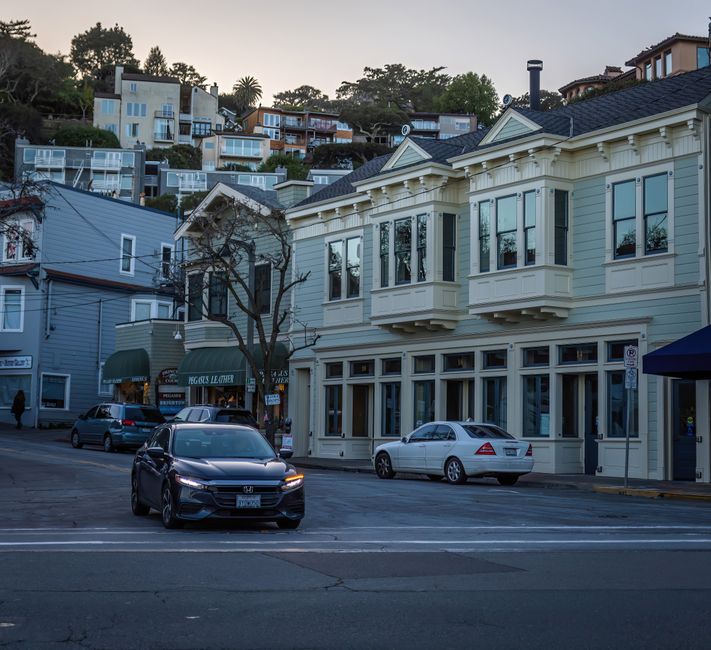
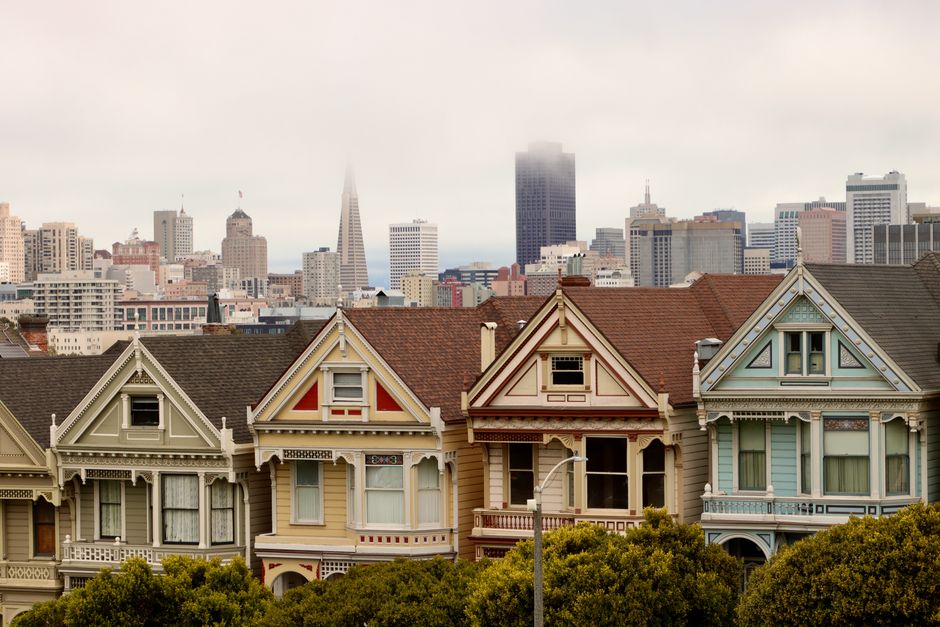
The vintage leather jackets still hang in storefront windows along Haight Street, but the customers examining them are increasingly likely to be tourists shopping between $30-an-acai-bowl stops rather than the thrift-store regulars of decades past. Haight-Ashbury is undergoing its most significant transformation since the dot-com boom reshaped the city's east side, and this time the change is driven by rising commercial rents, selective business licensing, and an influx of wellness-focused entrepreneurs.
The shift matters now because San Francisco's Planning Department has been quietly approving a new class of businesses in the neighbourhood over the past two years. Where Haight Street once anchored itself with independent record shops and used-clothing dealers, landlords are now actively courting fitness studios, upscale coffee roasters, and art galleries with price points that reflect the neighbourhood's demographic reality: median household income in the Haight has climbed 34 percent since 2019, according to data from the San Francisco Controller's Office. The neighbourhood is gentrifying in real time, and its identity as a counterculture refuge is being actively repackaged.
The Business Turnover Accelerating
Walk down Haight Street between Stanyan and Ashbury today and you'll see the evidence. The Haight-Ashbury Free Clinic, which has operated since 1967, still provides primary care and mental health services to low-income residents, but it now sits alongside higher-margin operations. In spring 2025, a Patagonia store opened at 1671 Haight Street in a space that previously housed a vintage collectibles shop. Three blocks west, a Peet's Coffee and Tea location at 1512 Haight Street expanded its seating area and menu in 2024, catering to the work-from-coffee-shop crowd. A wellness center offering infrared sauna treatments and fitness classes opened in the former location of a used-book vendor just last year.
Local business associations confirm the pattern. The Haight-Ashbury Improvement Association has documented 23 storefront turnovers between 2023 and 2026, with 18 of those new spaces classified as either health-and-wellness, premium food service, or specialty retail—categories that carry significantly higher rents. Commercial vacancy rates on Haight Street hovered around 8 percent in early 2026, down from 14 percent in 2020, suggesting landlords are being selective about tenants and pricing them accordingly.
What's Driving the Change—And What Remains
Several forces are colliding. Residential rents in the Haight have shot up 42 percent since 2019, which has pushed out the artists and musicians who historically defined the neighbourhood. Simultaneously, the city's Recovery Act spending, aimed at improving street safety and commercial corridor vitality, funded cleaning and security upgrades on Haight Street in 2024 and 2025. Those upgrades attracted investment capital that might have gone elsewhere in the city.
But not everything has vanished. Wasteland, the massive vintage clothing warehouse at 1660 Haight Street, still operates as an anchor tenant. Amoeba Music, the iconic independent record store at 1855 Haight Street, continues to draw collectors despite years of speculation about its future. The Red Victorian, a former hotel turned community space at 1665 Haight Street, remains a focal point for art events and culture. These holdouts matter because they provide continuity and remind visitors that the neighbourhood's identity hasn't been entirely erased—it's just being supplemented by a wealthier version.
For visitors heading to Haight-Ashbury in summer 2026, expect to find both the vintage San Francisco and the new version side by side. Bring cash for parking around Stanyan Street—rates increased to $3 per hour in 2025. Plan to spend 15 to 20 minutes walking the full Haight Street corridor between Masonic and Ashbury avenues. Stop at the older institutions if you want to experience what the neighbourhood was; explore the new galleries and studios if you want to see what it's becoming. The neighbourhood is caught between identities, and that tension itself has become its defining feature.