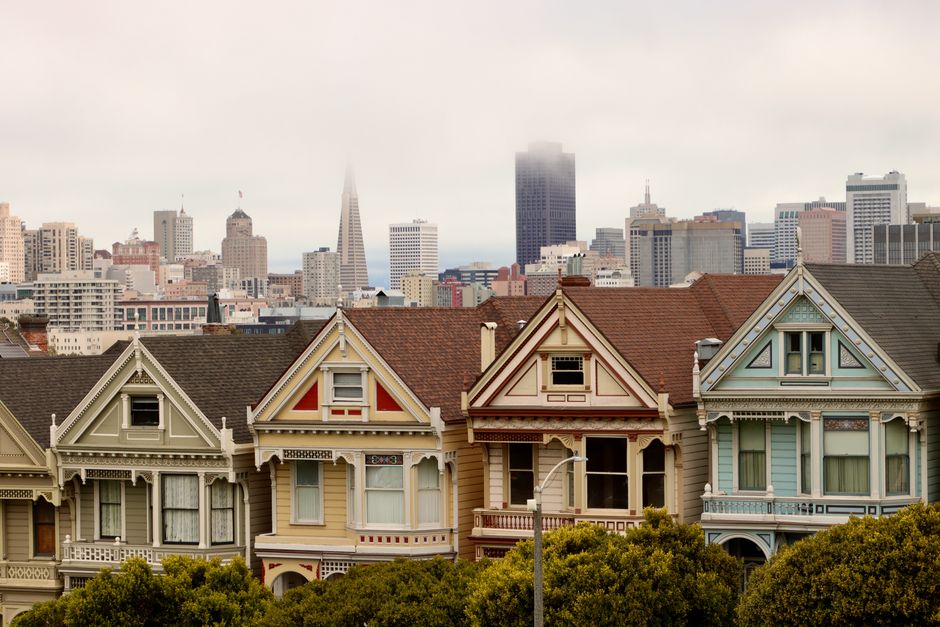
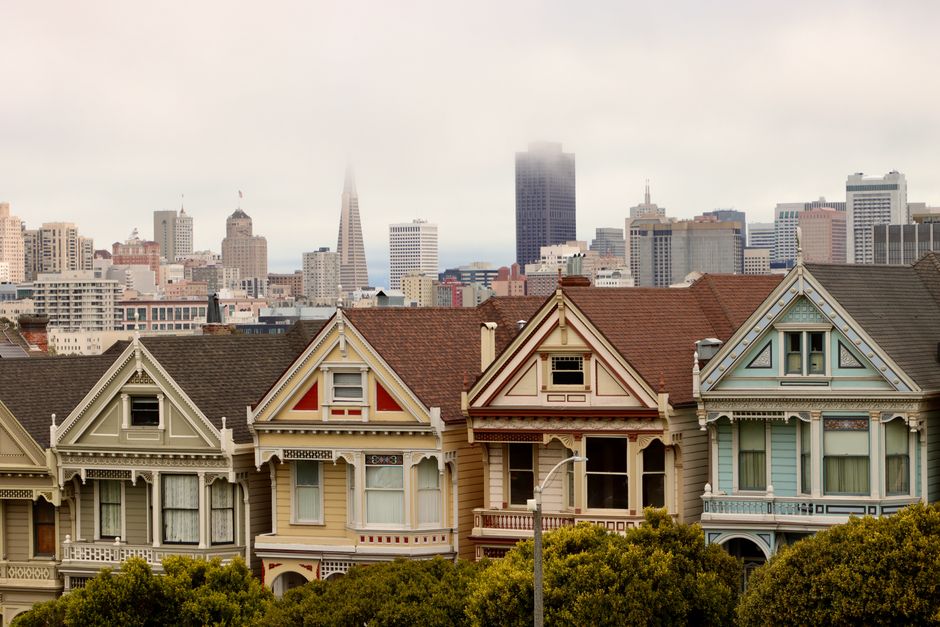
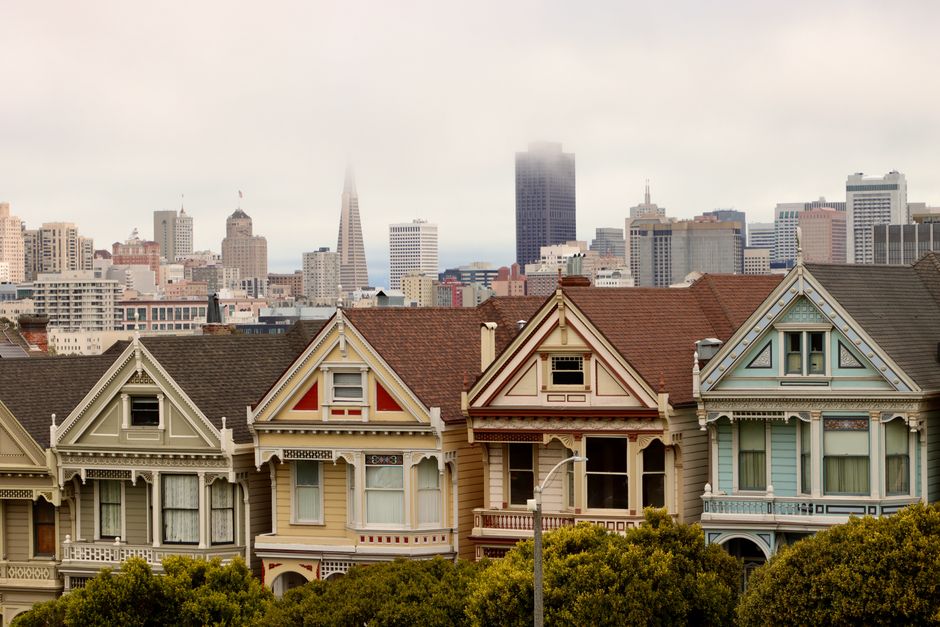
Haight-Ashbury is gentrifying itself—and not in the way longtime residents feared. The neighborhood famous for being America's psychedelic headquarters in 1967 is undergoing a quieter transformation: the vintage shops are being joined by glass-fronted wellness studios, the tourist-trap head shops are sharing block space with contemporary art galleries, and the vibe that once screamed "peace and love" now whispers "premium wellness experiences."
The shift reflects a broader reality about San Francisco's neighborhood evolution. Unlike the rapid displacement seen in the Mission District over the past decade—where median rents nearly doubled between 2010 and 2020—Haight-Ashbury's change is slower, almost graceful. The neighborhood's character isn't disappearing; it's being augmented, layered with new types of businesses that cater to a different definition of counterculture: one focused on personal optimization rather than collective revolution.
From Psychedelia to Pilates
Walk Haight Street between Fillmore and Stanyan on any Thursday afternoon and the mixed economy becomes apparent. Wasteland, the vintage clothing store that has occupied the same corner since 1987, still draws tourists hunting for authentic 1970s denim. But directly across the street, Alchemy Collective opened last fall—a 2,400-square-foot studio offering everything from infrared sauna sessions ($35 for 45 minutes) to cryotherapy treatments. Two blocks down, the Haight-Ashbury Flower Power Tours office shares real estate with Zenith Ceramics, a gallery that rotates work from Bay Area artists every six weeks.
The transformation didn't happen overnight. Local business owners and neighborhood associations began noticing the shift around 2022, when retail vacancies on Haight Street dipped below 12 percent for the first time in five years. Before that, the street had been struggling—pandemic closures claimed several longtime venues, including the Haight-Ashbury Free Clinic's original retail space. But as commercial rents stabilized and landlords became more flexible about lease terms, new operators moved in.
"There's an appetite for something different," said one Haight Street business owner who manages two retail locations on the strip. "The people moving to San Francisco now—they want experiences. They want to document things. They want wellness. They're not necessarily anti-consumerism the way the 1960s crowd was."
The Numbers Behind the Nostalgia
Commercial data tells the story. According to the San Francisco Controller's Office, foot traffic on Haight Street between Fillmore and Clayton increased 34 percent between January 2024 and June 2026, driven largely by weekend visitors. Tourist arrivals to San Francisco rebounded to 2019 levels by mid-2024 and have climbed 18 percent since then, with Haight-Ashbury consistently ranking in the top five neighborhood destinations. But the type of visitor has shifted. Young professionals on wellness retreats now compete with students hunting vintage band tees for attention from shop owners.
Rents tell a different story than they do elsewhere in the city. A 1,200-square-foot retail space on Haight Street currently leases for approximately $4,500 to $5,500 monthly—expensive by pre-2020 standards, but roughly 40 percent cheaper than comparable spaces in Hayes Valley or along Valencia Street in the Mission. That price gap has created a landing pad for businesses that can't afford San Francisco's most expensive neighborhoods but need foot traffic and neighborhood credibility.
The residential market above these storefronts has also shifted. A one-bedroom apartment in the Haight-Ashbury district now averages $2,850 monthly, up from $2,100 five years ago. That's a notable increase, but the rise lags neighborhoods like the Castro (now averaging $3,150 for one-bedrooms) and the Inner Sunset.
If you're planning a visit, expect a neighborhood caught between identities. Hit Wasteland and Amoeba Music for the vintage experience, but save time for newer spots like Alchemy Collective or the rotating gallery spaces. The Summer of Love museum lives on, but it's increasingly bookended by infrared saunas and oat milk lattes. That's not a betrayal of the Haight's legacy—it's what neighborhoods do when they survive long enough to become something else.